Just days ago, a video from Neuralink set social media and scientific circles alight: an ALS patient named Kenneth Shock, once robbed of speech, now thinking words that the implant instantly translates into his own voice. The clip, part of the newly launched VOICE trial, offered a glimpse of restored autonomy for those silenced by illness. Yet for many it also served as a powerful reminder of quieter, earlier breakthroughs, like the one that began two years ago with Noland Arbaugh.
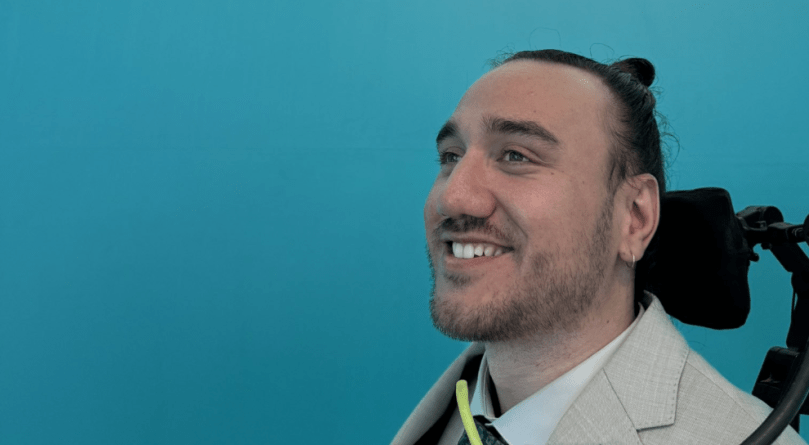
In January 2024, the then-paralysed 29-year-old American became the first person to receive a Neuralink brain implant. A robot-guided surgery threaded more than a thousand ultra-fine electrodes into his motor cortex, bypassing the spinal injury from a diving accident that had left him quadriplegic. There was little fanfare, only cautious hope.
Today, in March 2026, Noland is not merely coping; he is living with a freedom he once believed lost forever. He moves a cursor with thought alone. He raids in World of Warcraft for hours, no controller required. He types lecture notes for his neuroscience studies and earns top grades. Everyday acts that once demanded caregivers like email, digital art, even switching on lights, now flow directly from intention. “The freedom is addictive,” he says. “Science fiction that somehow became my everyday reality.”
This is no overnight miracle. Early months brought technical setbacks, notably the retraction of some electrode threads. Software updates and refined surgery have since steadied performance. Neuralink now counts 21 implant recipients worldwide; participants are demonstrating ever-greater control over cursors, robotic arms and virtual keyboards, some reaching typing speeds approaching 40 words per minute.
Noland’s public appearances have given the technology a human face. In mid-March he travelled to Detroit to speak at a special-education gathering, telling educators and schoolchildren how the implant bridges mind and machine and how his faith and technology together unlock what once seemed impossible. Local leader Mike Cox, called the talk the afternoon’s highlight, praising Noland’s “indomitable spirit, neuron by neuron.”
A month earlier, at Dubai’s World Governments Summit, he calmly took the stage during the panel “Are We Ready for Human 2.0?”. “People come first,” he told world leaders. “We’re helping with disabilities now; questions of enhancement come later.”
Such stories arrive at a delicate moment. In Europe, regulators remain rightly cautious. The EU’s medical-device rules and AI Act subject high-risk brain-computer interfaces to stringent oversight on safety, data privacy and long-term effects. While American trials advance, bureaucratic caution on this side of the Atlantic has slowed access. Critics ask essential questions: should private companies lead such intimate interventions, and what safeguards will prevent future misuse or unequal access?
Yet the lived reality of patients like Noland underscores the promise. Before the implant, simple independence felt out of reach; today he says the device “didn’t just give me a new way to use a computer — it gave me a new way to live.” From icy conference halls in Michigan to gleaming stages in Dubai, he continues to show what is already possible: agency reclaimed, one thought at a time.
The recent attention around Kenneth Shock’s voice does not eclipse Noland’s journey; it illuminates it. Two years on, Neuralink’s work remains experimental, imperfect, and rich with profound philosophical questions about the frontier between human and machine. But for those whose bodies have failed them, it is already delivering something deeply human: the chance to be heard, to create, and to participate fully in the world again.
If one small chip can begin to turn paralysis into possibility, the years ahead will test not only the limits of technology, but our collective willingness to embrace its gifts responsibly and with hope.
 whatsuptesla.com