
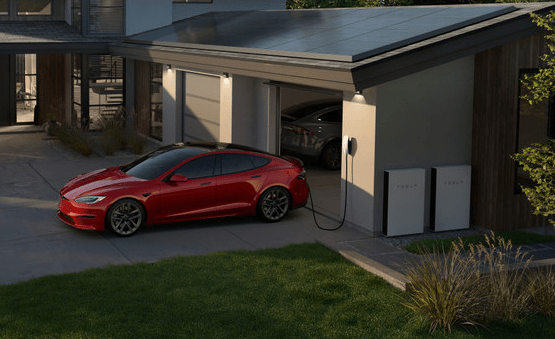
Texas is on track to see a much stronger energy grid. ERCOT’s Board of Directors approved an Aggregated Distributed Energy Resource (DER) Pilot Project.
This article is about,
- ERCOT’s support for the powerful Aggregated DER Pilot Project
- Challenges: Get competitive power providers to enroll customers, complete ERCOT approvals by January 2023, and send Megawatts to the grid by February 2023 and more!
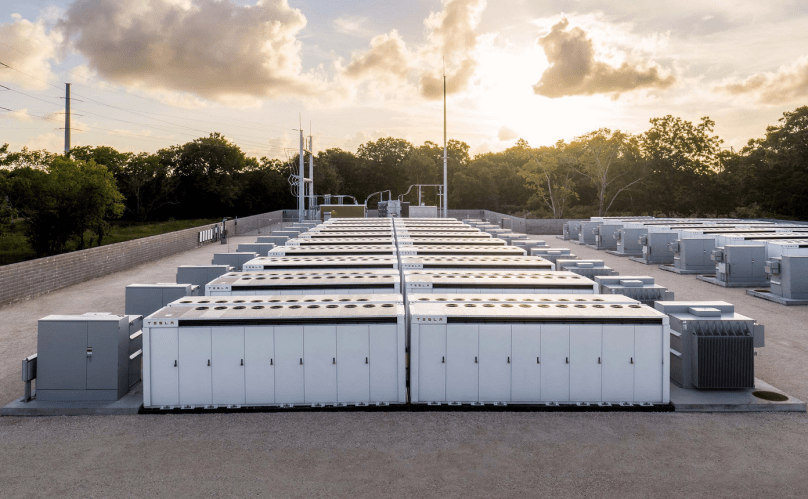
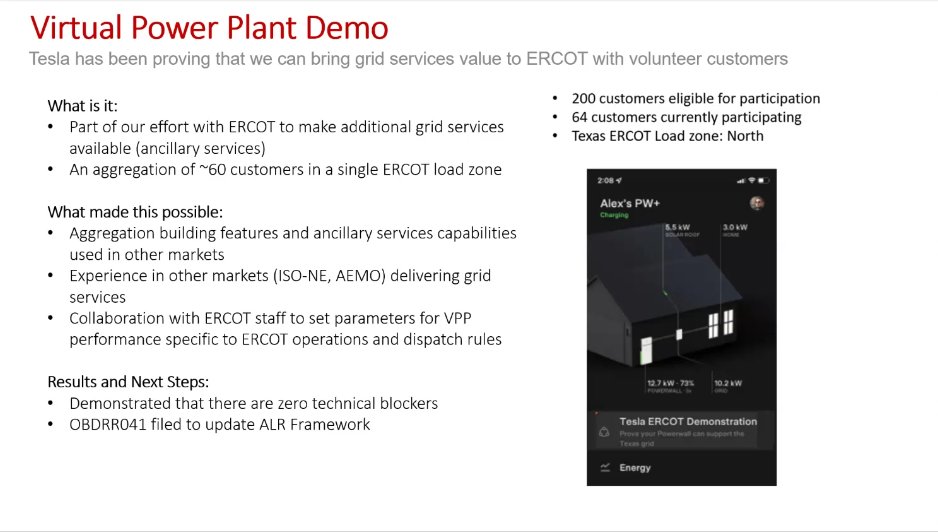
When I first participated in a Workshop about Virtual Power Plants (VPPs) hosted by the Electric Reliability Council of Texas (ERCOT or Grid Operator) in May 2022, I learned Tesla created a successful VPP Pilot Program involving 64 Powerwall owners.

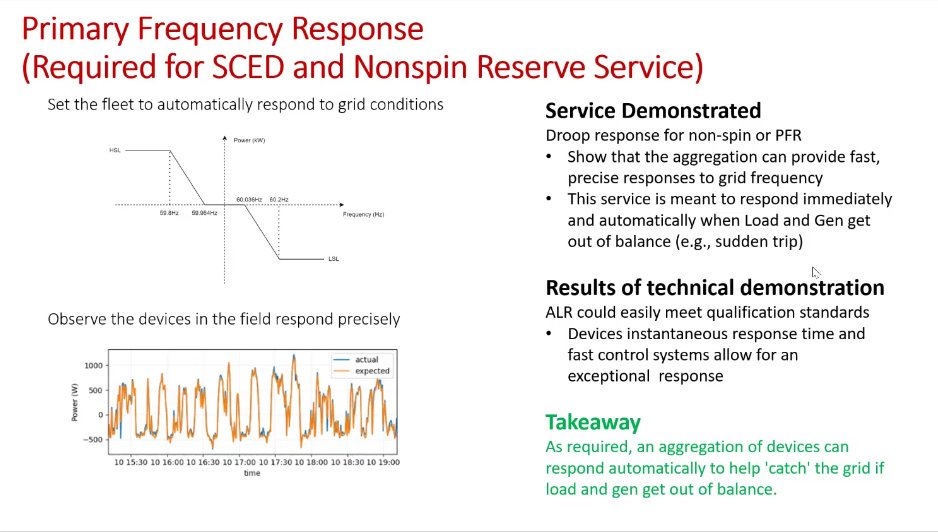
Tesla presented the findings of that program to ERCOT in the VPP Workshop, and provided detailed data to ERCOT’s oversight agency, the Public Utility Commission of Texas (Commission) about the ability of small batteries to “paint over” the exact reliability signals provided by ERCOT and perform to the highest accuracy with those signals. I wrote about VPPs last June, “Tesla built a demonstration test in which 64 Tesla Powerwall battery owners participated in providing energy as an aggregate. The demo showed impressive performance, proving that there were no technical blocks to these owners providing power to the Texas grid.”
Both ERCOT and utilities submitted filings on Tesla’s proposal to quickly integrate VPPs in an existing market program called Aggregated Load Resources. With these stakeholders asking for a brand new market program to transition VPPs to the grid, and Tesla having proved the technology was ready and available today, the Commission supported an official Pilot that would allow companies like Tesla to actually get their customers compensated for the Megawatts they sent to the grid.
ERCOT’s Landmark Support for Aggregated DER Pilot Project
Now Tesla is part of a much larger Pilot Program. I was invited to make public comments on Oct 18 before the vote on this proposal, giving me 5 minutes to talk to people involved in decision-making at ERCOT. You can view my comments here.
When the Board of Directors at ERCOT voted unanimously to approve the Aggregated Distributed Energy Resource (DER) Pilot Project, I knew we were witnessing history!
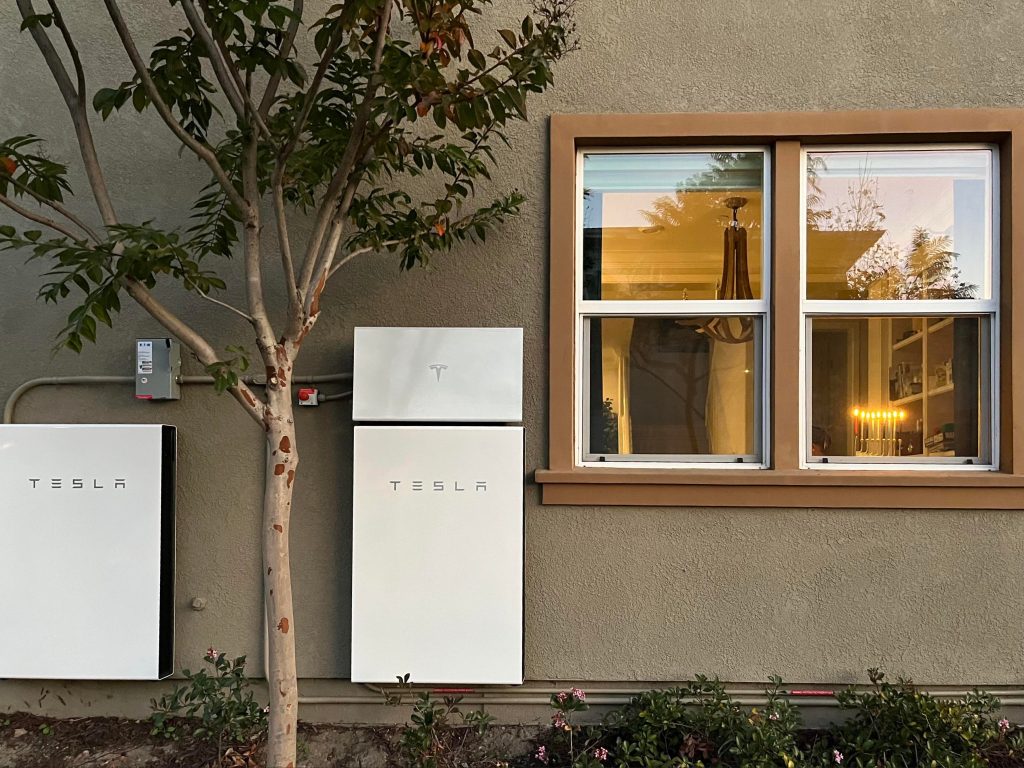
This opens the way to allow all energy providers in Texas to choose to participate to aggregate energy stored in their customer’s Tesla Powerwalls, and deliver that energy to the grid during times of peak need.
Enrolling customers who have Tesla Powerwalls into VPPs also makes entire fleets of electricity customers smarter consumers in the days and hours before a weather crisis: with more customers ready and able to switch from grid-sourced power to self-produced power or vice versa, automatically doing so in a VPP in real-time, responding to what the grid needs, means utilities will struggle less to find the demand reductions they need to keep critical feeders and neighborhood lights on.

CHALLENGES
The Aggregated Distributed Energy Resource Task Force (ADER Task Force) has an important responsibility. The ADER Task Force met monthly to assist ERCOT in developing the VPP program. Members of the public are encouraged to participate. The Task Force is formed of 20 experts selected by the Commission and will convene for at least three years to build a strong DER pilot program. Jason Ryan is the Chair and Arushi Sharma Frank is the Vice Chair.

ADER Task Force has monthly Workshops open to the public. The 1st Workshop was on Aug 17, the 2nd Workshop on Sept 12, and the 3rd Workshop was on Oct 12.
Get Megawatts in the Market by February 2023
At the first ADER Task Force Workshop, Arushi explained the goal to get Megawatts in the Texas market, “One of the things that I want to mention is that the first goal for us as a team is to figure out what we do to get something done by the end of the year that will allow us to just get Megawatts in the market. All of the objectives we have are about studying the impact on the distribution system, studying reliability value, studying cost allocation, and studying the effectiveness of VPPs providing service to the grid. We’re not going to have that data if we don’t get the Megawatts in.” (The end-year goal has since moved to Feb 2023)
Phase One – ADER Pilot Program
The ADER Task Force is delivering on several objectives laid out in the sponsoring Texas Commission’s Memo. These topics present challenges to overcome and also represent core success metrics that the ADER Task Force wants to build over the next three years.
The ADER Task Force meetings have included materials shared with the public at every meeting (you can find them in Texas PUC Project Number 53911). In the first of many quarterly reports the Task Force will file publicly, they shared challenges and insights that needed to be gained in “Phase 1” of the ADER Pilot Program:
“1. Assess the operational benefits and challenges of ADERs and address those challenges to allow meaningful use of ADERs;
2. Understand the impact of having ancillary services and energy delivered by ADERs and assess how ADERs can best be used to support reliability;
3. Assess challenges to incentivizing competition and attracting broad ADER participation while ensuring adequate customer protections are in place;
4. Allow Distribution Service Providers (DSPs), the Commission, and others to study distribution system impacts of ADERs which inject to the grid;
5. Evaluate the impacts to transmission system congestion management associated with the dispatch and settlement of ADERs at a zonal level; and
6. Identify potential pilot project enhancements and study the need for and benefit of transitioning distribution-level aggregations to different levels of more granular dispatch and settlement and evaluate more complex use cases and business models.”

Source: Page 5, first ADER Task Force Quarterly Report, available at https://interchange.puc.texas.gov/Documents/53911_18_1241809.PDF
Technical Challenges
In the October Workshop, Arushi explained some additional behind-the-scenes challenges faced that I was not aware of, related to integrating various distributed technologies customers have with multiple energy providers or utility systems. “It is hard actually to do third-party integration for anything – I mean we still have iPhones and Androids with separate chargers – we can’t just plug one charger cable into the other product, and the same is true for the most sophisticated inverter-based technology out there today. We do not have universal interoperability as a standard, and the closest thing that we’ve come to it as an industry, at least in this country, is 2030.5 and that is a big struggle [to implement] for OEMs and manufacturers of inverter- based products.”
In the early days of developing the ADER Pilot, Arushi also published a technical note explaining core challenges and guiding principles under which Texas will learn from by doing its first VPP program. Those included: (i) understanding the impact of carrying ancillary services (grid reliability services like balancing demand and supply in real-time) on the distribution system (the low voltage lines carrying electricity from consumer homes) (ii) getting competition in VPP programs in competitive electricity choice areas of Texas (iii) understanding if there will ever be enough VPP batteries out there to cause congestion related to “exporting” energy back to the grid and how ERCOT will handle that (iv) how to help customers understand their compensation and ways to participate under new VPP programs, and (v) ensure that VPP programs can evolve and scale over time but remain simple and easy to understand for customers.
CONCLUSION
The Electric Reliability Council of Texas (ERCOT) has a huge task, and that is to manage the flow of electric power to more than 26 million Texas customers — representing about 90 percent of the state’s electric load. ERCOT’s Board voted unanimously to approve the Aggregated Distributed Energy Resource (DER) Pilot Project, ushering in a new era for sustainable energy in Texas! But, there are challenges and here are just a few,
- Get competitive power providers to enroll customers. This process should be simple and easy to understand for all customers.
- Complete ERCOT approvals by January 2023
- Send Megawatts to the grid by February 2023
This article went into great detail and will be a great reference to anyone interested in either observing or participating in the growth of sustainable energy in Texas and beyond.

I would love to share four more interesting articles with you that relate to Tesla Energy!
- As Batteries begin to replace fossil fuel power plants, what are 4 challenges to overcome? Explains why we need to 1. Increase supply of refined Lithium, 2. Scale Battery Manufacturing, 3. Work with existing infrastructure to streamline clean energy installations, and 4. Update local policy to encourage VPPs.
- Energy Reliability from Big Batteries for Texas and Beyond gives you more background on the developments related to Tesla Energy in Texas
- Tesla’s Texas Virtual Power Plant ASAP details how Tesla is offering a proven solution to the fragile Texas grid currently operated by ERCOT. Tesla has proved that its Virtual Power Plant can work extremely well.
- Tesla Autobidder explains Tesla’s software that interfaces with your Home Powerwall and potential energy markets
What is ERCOT? The Electric Reliability Council of Texas (ERCOT) manages the flow of electric power to more than 26 million Texas customers — representing about 90 percent of the state’s electric load.
Article Exclusive to What’s Up Tesla – October 23, 2022. All Rights Reserved. “My goal as an author is to support Tesla and Elon Musk in both making lives better on earth for humans and becoming a space-faring civilization.” – Gail Alfar Header Image is Courtesy of Tesla, Inc.
Make a one-time donation to support What’s Up Tesla
Make a monthly donation to support What’s Up Tesla
Make a yearly donation to support What’s Up Tesla
Choose an amount
Or enter a custom amount
Your contribution is appreciated.
Your contribution is appreciated.
Your contribution is appreciated.
DonateDonate monthlyDonate yearly






 whatsuptesla.com