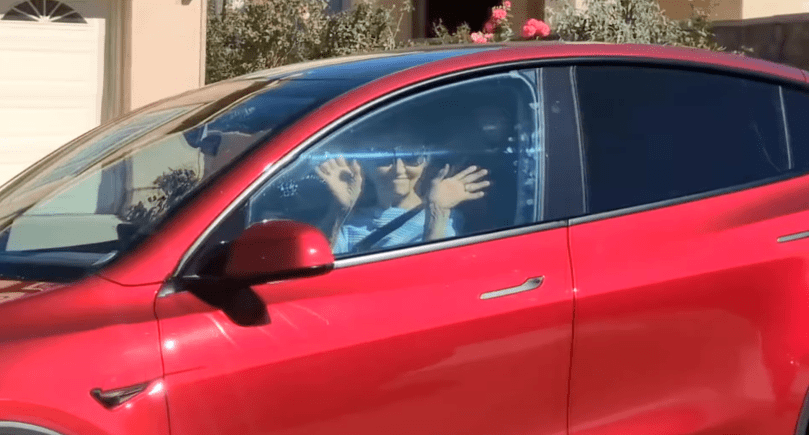
93-Year-Old Finds New Freedom with Tesla Full Self-Driving

Many people might be ready to hand over car keys for good at age 93. And Dan Doyle’s mother is doing the opposite and she’s doing it beautifully.

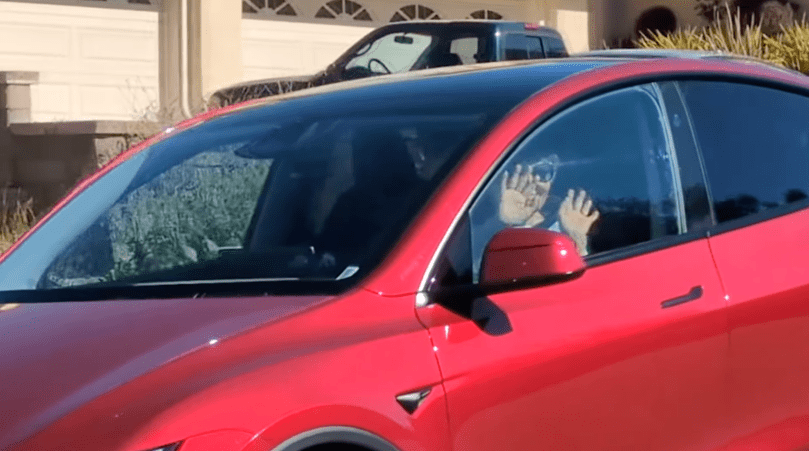
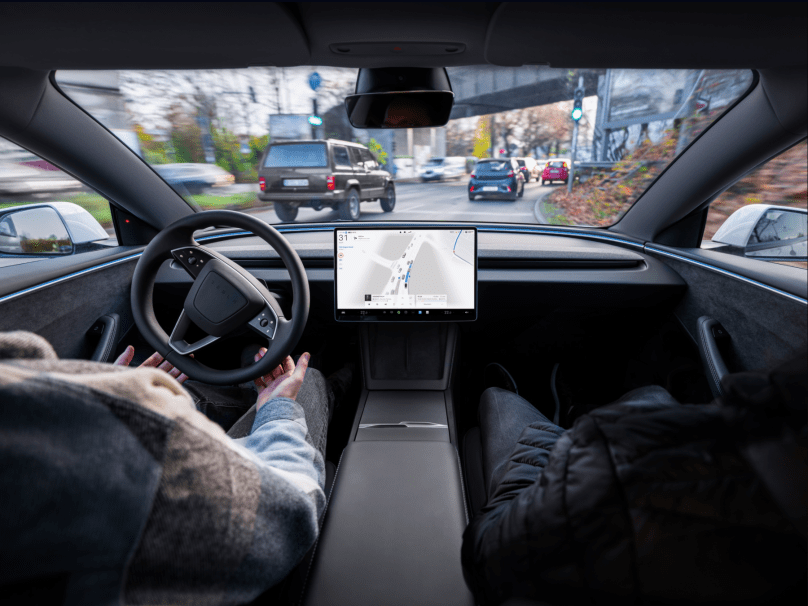
In a lovely video posted on Dan Doyle’s Family Channel, we get to see Dan’s 93-year-old mom behind the wheel of her brand-new Tesla Model Y with Full Self-Driving (FSD). The footage shows her relaxed and smiling as the car smoothly handles real roads, including the scenic Coronado Bridge drive.

When Dan asks how one of her recent trips went, her simple, perfect response is: “Uneventful.”

That single word says so much. For many seniors, longer drives often come with growing anxiety and fatigue. But with FSD doing the hard work, those worries melt away.

During one drive, Dan playfully tells the car, “Hey, if the worship isn’t good, could you go a little slower?” The Tesla’s Grok voice (Ara) replies with humor: “Huh? Nice one. Hope the worship rocks so we don’t have to slow down.”

Laughing and smiling, his mom immediately adds, “I love that lady.”

Later, while enjoying gelato together, Dan asks, “Life is good, right Mom?” Her bright smile says it all: “Life is good.”

As Dan shares in the video:

“Although she has always been a good driver, my mom can now drive without the fear or fatigue that can naturally come with age. No more relying on others for every trip. No more feeling stuck. This is true mobility.”

The story was first shared on X by citizen journalist Sawyer Merritt, and Dan later confirmed on his X account that his mom still holds a valid driver’s license and owns two other vehicles. She’s simply enjoying the freedom her new Tesla brings.

As someone who uses FSD every day myself, especially lately while recovering from a third-degree ankle sprain, I can personally relate to how meaningful this technology is. When your body isn’t cooperating, having a car that can reliably and safely handle the driving gives you back a piece of your independence.

This is what FSD looks like in real life: not just futuristic tech, but a quiet, powerful tool that helps real people, including a joyful 93-year-old woman, keep living life on their own terms.

Sometimes the most important stories are the simplest ones.
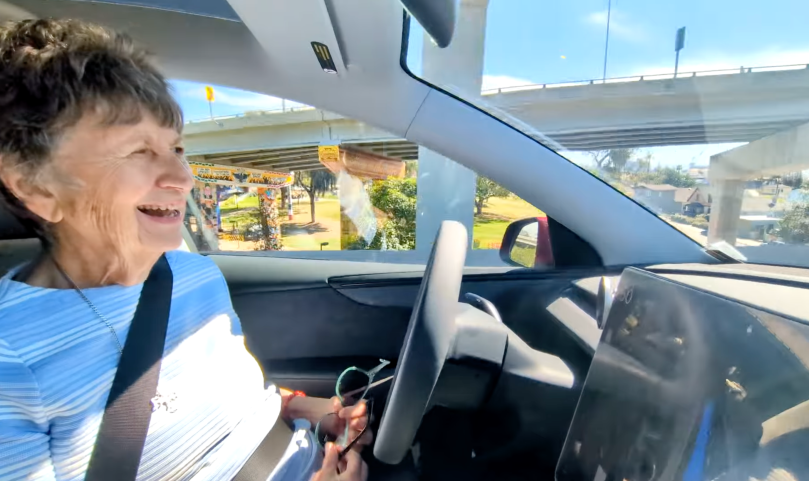
Joyful 93-year-old mom smiling while using Tesla FSD. ‘Life is good,’ she says from the driver’s seat of her Tesla Model Y.

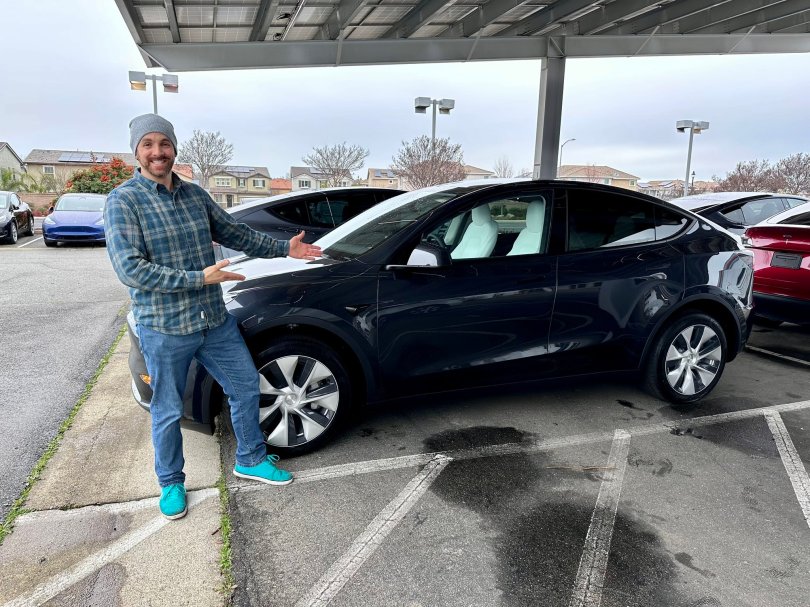
Tesla Model Y with Full Self-Driving smoothly navigating suburban roads for a confident 93-year-old senior driver.

Video:

Deaf Driver Shows How Tesla’s Self-Driving System “Hears” Sirens He Can’t

On 23 March 2026, Daniel Geiger posted a 22-second screen-recording that quietly went viral. The California driver, who is deaf, showed his Tesla’s Full Self-Driving feature automatically detecting an approaching ambulance’s lights, pulling over safely and stopping, all before the vehicle reached him. “I’m deaf and can’t hear sirens,” he wrote, “but my Tesla FSD pulled over instantly for an ambulance. … This is why FSD is huge for deaf drivers: it ‘hears’ what I can’t and keeps everyone safer.”

Geiger is an ordinary working professional, not an influencer or company employee. A Long Island native from Moriches, New York, he played college lacrosse at Sacred Heart University (class of 2005) and earned a degree in Information Technology. He now lives in Auburn, California, and works as an IT security specialist for the California Department of Social Services. On social media he talks about sports, state taxes, potholes and, occasionally, how technology intersects with disability.

The incident occurred on 23 March 2026 during a normal drive in the greater Sacramento area. The car’s multimodal sensors (cameras plus the audio-siren detection rolled out in late 2024) handled the situation smoothly. Geiger simply shared the app recording to illustrate one benefit for deaf drivers.

For Americans the context is immediate. Under California Vehicle Code 21806, drivers must yield the right of way to any emergency vehicle using lights and siren: move to the right edge of the road and stop until it passes. Failure to do so is an infraction carrying a base fine of about $490 plus one point on your DMV record. Similar “move-over” or yield laws exist in every state because seconds can mean lives. Deaf drivers follow the same rules but cannot hear the siren that usually alerts everyone else. Geiger’s video shows how one vehicle system can fill that sensory gap while still obeying the same traffic laws everyone else must follow.

He posted the clip because he wanted to highlight a practical safety tool, not to sell cars. The response from other deaf drivers and everyday motorists suggests the story resonated beyond brand loyalty: it showed technology quietly making an existing legal obligation easier to meet for people who otherwise rely on visual cues alone.

Tesla FSD Surpasses 8 Billion Miles: This AI Is Making Roads Way Safer Every Single Day

Living here in Austin, Texas, where traffic on Mopac can flip from smooth to nightmare in a heartbeat (especially when there’s an accident or some surprise Texas rain), safety is always on my mind. That’s why I got so excited when Tesla announced this massive milestone on February 18, 2026!

Tesla drivers around the world have now driven more than 8 billion miles (nearly 13 billion km) using Full Self-Driving Supervised. Even more mind-blowing? They added 1 billion miles in just the first 50 days of 2026 alone!

That huge pile of real-world driving data is letting Tesla’s AI learn and improve faster than ever. According to Tesla’s own published safety stats, a vehicle on FSD Supervised experiences a major accident only once every 5.3 million miles. This is roughly eight times safer than the average across all vehicles on U.S. roads.

Behind those numbers are real-life moments that matter: the system putting on hazard lights and gently pulling over for emergency services help on its own if a driver has a medical emergency, applying the brakes or moving aside to avoid a crash, or gently guiding you through inclement weather. These are the reasons supervised autonomy is already saving lives by taking human error out of the equation. We all know human error causes the vast majority of accidents.

My personal experience as a Tesla owner in Austin

As a mom of five grown kids, a nurse who sometimes drives home after long shifts, and a proud owner of both a Model 3 and a Model Y with FSD (and Powerwalls at home), this tech has genuinely changed my life. I use FSD every single day here in Austin — whether I’m heading out to record a podcast episode, running errands around the Hill Country (my fav is to visit Buc-ees), or just daily commuting to work on highways where many drivers get distracted (driving and texting is everywhere in Austin!)

Just last month during a heavy downpour on Mopac Loop 1, FSD smoothly handled hydroplaning risks, kept perfect lane position, and even slowed for a sudden slowdown ahead that I hadn’t spotted yet. It gives me such peace of mind. I think about older family members or anyone who might feel tired or unwell behind the wheel. I feel that “co-pilot” protection in real time, and it’s one of the main reasons I’m so passionate about Tesla’s mission.

This progress fits perfectly into Elon Musk’s bigger vision of using AI to move humanity forward. At xAI, the team is building Grok with that same dedication to truth and excellence to speed up scientific discovery and help us all better understand the universe. This is a positive, open approach that truly benefits everyone.

With this kind of rapid acceleration, Tesla is proving the future of mobility isn’t coming someday… it’s already here on our roads right now.

Sources:

• Official Tesla announcement, February 18, 2026

• Tesla Vehicle Safety Report (latest data)

• No exaggeration, no rounded figures — straight from Tesla.

Love Tesla? Share this post, keep spreading the good news! 

Gail Alfar, Austin, Texas

(US Army Veteran, RN, Mom of 5, and founder of What’s Up Tesla)

Tesla Autonomy Making Streets Safer in Europe

ROME/PARIS/BERLIN – Tesla’s Full Self-Driving (FSD) Supervised system, the product of Elon Musk’s relentless 12-year focus on end-to-end neural networks, is now being experienced by European leaders in a series of high-profile demonstrations that have no rivals.

Rome Mayor First to Ride Elon’s Vision in Italy

On Wednesday, Rome Mayor Roberto Gualtieri rode as a passenger in a Model 3 while FSD Supervised flawlessly negotiated the Italian capital’s chaotic roundabouts and scooter-filled streets. Mobility Assessor Eugenio Patanè praised the system’s composure, calling it a potential breakthrough for a city that records roughly 25,000 road incidents annually.

France: “Mind-Blowing” Precision After Years of Waiting

Two days earlier near Paris, tech journalist Julien Cadot described his FSD ride as “mind-blowing,” highlighting decisions no legacy automaker has yet replicated at scale: perfectly timed overtakes, gentle yielding to cyclists, and predictive braking that Tesla data show can reduce severe collisions by up to seven times.

Germany: Experts Marvel at Autobahn and Village Mastery

In Berlin and Düsseldorf, transport expert Philipp M. W. Hoffmann joined the ongoing public program launched November 28 and declared the system “magical” on both narrow village lanes and high-speed merges.

Behind each of these moments stands Elon’s singular commitment. Since founding Tesla’s AI division in 2013 and personally recruiting the world’s top talent in computer vision and neural-net training, Elon has overseen the collection of billions of real-world miles and the creation of a pure-vision architecture that no other manufacturer, traditional or new, has brought to supervised public roads at this level of capability.

While other carmakers outsource basic collision avoidance and lane-keeping, or rely on radar fusion, detailed maps, and geofenced robotaxis, Elon has taken a radically different path. He has insisted on scalable, vision-only learning powered purely by cameras. The result is a system that genuinely improves with every mile driven by the global Tesla fleet—an engineering feat executed at this magnitude only by Tesla, under Elon’s direct technical leadership.

Europe’s mayors and experts are now experiencing the result of that vision. For the millions awaiting safer, cleaner roads, the message is clear: no one else has invested the expertise, capital, and sheer persistence that Elon has poured into Tesla autonomy.

Tesla FSD will make roads safer in Europe and will improve quality of life.

Elon Musk: Tesla AI Will Transform Daily Life in California, Texas, and Across America

Imagine threading through Bay Area rush-hour traffic without white-knuckling the wheel on 101, or letting a robot handle the laundry while you catch the sunset at Big Sur. Picture dropping the kids at school in Austin and knowing the car just saved them the way it saved Clifford Lee last month on a foggy New Mexico highway.

Tesla isn’t just building electric cars anymore—it’s creating the AI and robotics platform that could make driving safer and chores optional for every American family.

At the center are two breakthroughs: Full Self-Driving (FSD) Supervised and the Optimus humanoid robot, both powered by Tesla’s end-to-end neural networks and custom inference chips.

Full Self-Driving: Already Saving Lives on American Roads

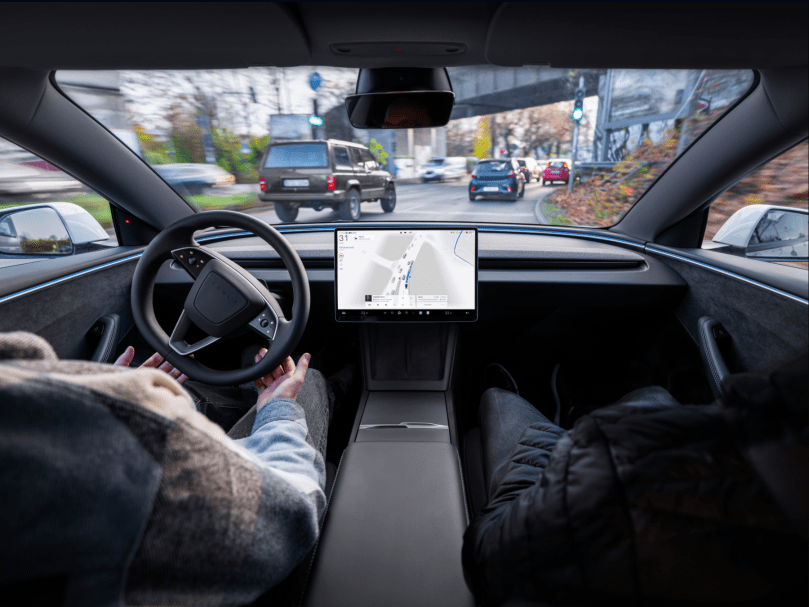
FSD uses cameras, neural networks, and Tesla’s in-house hardware to steer, brake, change lanes, and park—with a human always ready to take over. In early November 2025, Tesla shareholder Clifford Lee was driving his Model Y home from the shareholder meeting when a wrong-way driver barreled toward him at 75 mph in thick fog. Lee never saw the headlights. FSD did—and swerved onto the shoulder in time. “It saved my life,” he said.

Tesla’s latest data: one crash per roughly 6.47 billion autonomous miles—about seven times safer than the U.S. average.

In California and Texas, where millions already drive with FSD, the next leap is unsupervised autonomy. Tesla is pushing for approvals state-by-state, with Texas and California expected to lead in 2026. Soon, hands-off commutes from Palo Alto to San Francisco or Austin to Round Rock could be everyday reality.

Optimus: The Robot That Could Make Work Optional

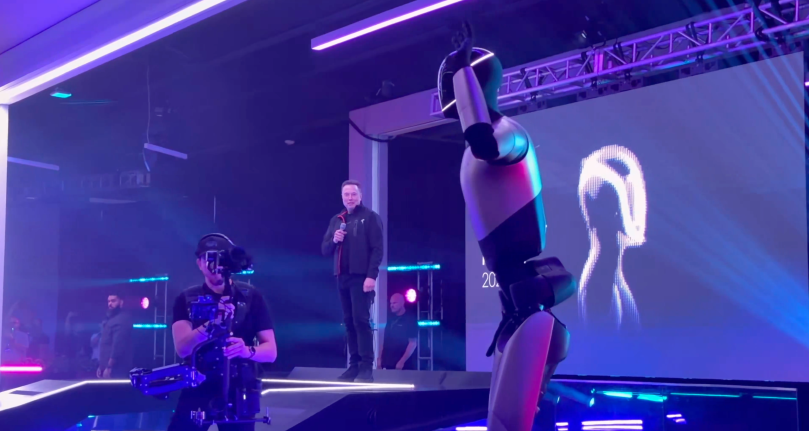
At the November 2025 Annual Shareholder Meeting in Texas, a completely untethered Optimus danced on stage to a standing ovation. Elon called it “potentially the biggest product ever… bigger than the smartphone” and said fleets of Optimus will one day build bases on the Moon and Mars—working side-by-side with Cybertrucks made right down the road in Austin.

Timeline –> hitting American homes and factories first:

  • Limited internal use by late 2025
  • Sales to U.S. companies throughout 2026
  • High-volume consumer models from 2027

From Fremont and Giga Texas, the rollout starts here.

Powering it all is Tesla’s AI5 inference chip, dozens of times more efficient than today’s hardware, with volume production ramping mid-2027.

Elon has already floated building a dedicated “TeraFab” to keep up with demand that he says will be “essentially infinite.”

A Future Where Poverty Becomes Optional

On November 19, 2025, Elon told the U.S.–Saudi Investment Forum: “I imagine robots will actually eliminate poverty… Work will become optional for humans, and money will stop being relevant.”

That future isn’t science fiction anymore — it’s being built today in Fremont, Austin, and soon in living rooms across America. Tesla already employs over 70,000 people in California and Texas alone. The coming wave of AI and robotics will create thousands more high-paying jobs in software, training, and maintenance right here at home, while Optimus takes over the dangerous, dull, or physically crushing work that too many Americans still do every day.

Skepticism is fair. We’ve heard big promises before. But when FSD is already saving lives on American highways and Optimus prototypes are walking around the Tesla engineering offices in Palo Alto, the future isn’t coming from overseas, it is being built right here, by us, for us.

Embrace it, and America won’t just ride the AI wave, we will keep leading it.

The author had a front row seat at the Tesla shareholder meeting on Nov 6, 2025.

Gail’s Tesla Podcast Ep. 144: Experiencing V 14 Autonomy with Lightning-Fast Parking!

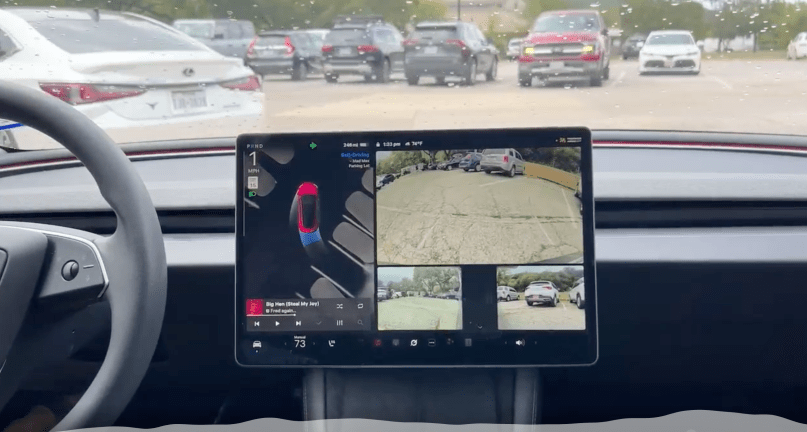
Hey Tesla Autonomy fans, Gail Alfar from Gail’s Tesla Podcast! Episode 144 is a live X broadcast from my Tesla Model 3, showcasing the jaw-dropping power of FSD V 14. Jump into the video (linked on X) for the full ride—especially the parking magic at 6:15. Here’s the scoop: blazing autonomy, Mad Max mode to County Line BBQ, and why this is going to change everything.

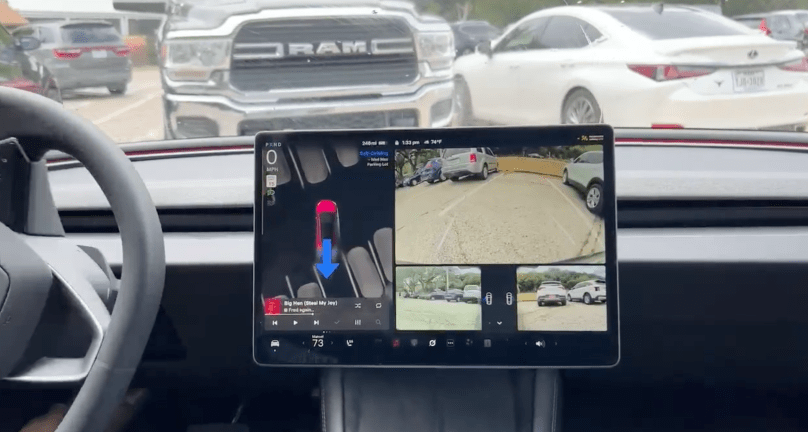
At 6:15 in the livesream, V 14 backs into the perfect parking spot!

Live Ride: Austin to BBQ

I set up Livestreaming in X in my Model 3 in Austin, and began cruising to County Line BBQ. FSD 14’s neural nets are better than ever—smooth merges, sharp lane switches, zero fuss. We flipped to Mad Max mode for that bold, Texas vibe, slicing through traffic with safe precision.

What I thought was a disadvantage (I’m currently unable to upload any videos to X) turned into something fun and also fast, I have no post production editing to do for this pod, as livestream’s are what they are!

Mad Max Parking Heroics

The showstopper hits at 6:15 in the livestream—FSD 14 in Mad Max mode spots a tight parking space at County Line BBQ and nails it. Lightning-fast, the Model 3 locks onto the spot, reverses, and backs in with surgical speed, inches from perfection. No hesitation, no corrections—just pure AI brilliance parking faster than any human could. This moment had me floored, and I was thinking how wild it is to experience this. This that will one day be normal. Steps away from BBQ heaven, I truly love Tesla, Texas, AND BBQ!

At 6:15 in the livesream, V 14 backs into the perfect parking spot!

Tech Takeaways

  • FSD Elite: V14’s end-to-end learning makes Mad Max a parking wizard—safe, swift, stunning.
  • Autonomy Freedom: Hands-free rides like this redefine travel.
  • Live Buzz: The broadcast captures the thrill—6:15 is your must-see.

Catch the live ep on X and fast-forward to 6:15 for that parking flex.

—Gail

Gail’s Tesla Podcast Ep. 139: Robotaxi to Sushi by Scratch (across from Driskill Hotel) & Seamless Austin Cruise

Welcome back! This is Gail Alfar from Gail’s Tesla Podcast! Episode 139 captures a smooth Robotaxi run to Sushi by Scratch near the Driskill Hotel, plus an Austin cruise where we spot another Robotaxi ahead. The X video (about 8 minutes) dives into safety, security, and affordability chats. Here’s the quick breakdown for you busy engineers.

The Summon and Cruise

Started with a Robotaxi summon for a seamless downtown Austin glide. FSD handled traffic like a pro—precise merges, no hesitations. Spotted another Robotaxi leading the way, highlighting Tesla’s growing fleet presence. Perfect demo of network effects in action.

Sushi Stop and Vibes

Dropped off across from the historic Driskill Hotel at Sushi by Scratch. Quick, curbside precision parking let us jump straight into the meal. Chatted on the ride about Robotaxi’s edge: Top-tier safety via AI sensors, secure Bluetooth access, and unbeatable affordability—no tips needed, total for THREE rides just $11.53.

Gail’s Tesla Podcast Ep. 139: Robotaxi to Sushi by Scratch (across from Driskill Hotel)

Tech Takeaways

  • Safety & Security: AI owns edge cases, Bluetooth locks add peace of mind.
  • Affordability Win: Low cost, high convenience—beats traditional rideshares.
  • Fleet Future: Spotting peers shows scalability; autonomy’s here.

Catch the ep on X. What will happen to Lyft and Uber when people have the choice on a wide basis to save up to 75% on ride costs consistently?

—Gail

Gail’s Tesla Podcast Ep. 138: Tesla Robotaxi Austin Autonomous Rollout Elon Musk Q2 Earnings Insights

Hey Tesla supporters, this is Gail Alfar from Gail’s Tesla Podcast! Episode 138 pairs Elon Musk’s Q2 earnings highlights with real Austin Robotaxi footage.

The X video (under 7 minutes) is packed—check it for the full audio and drives. Here’s the breakdown: rollout wins, regulatory pushes, and autonomy’s edge.

Key Rollout Updates

Elon details Robotaxi’s Austin launch: Unsupervised rides for paying customers, no driver needed. Service area’s expanding fast—bigger than competitors, with more growth in weeks. Footage shows Model Ys navigating urban streets, parking, and night drives flawlessly.

Expansion and Regs

Permissions pending for Bay Area, Nevada, Arizona, Florida. Goal: Cover half US population with autonomous hailing by year-end, safety first. Europe and China FSD approvals incoming—expect sales spikes once supervised mode unlocks.

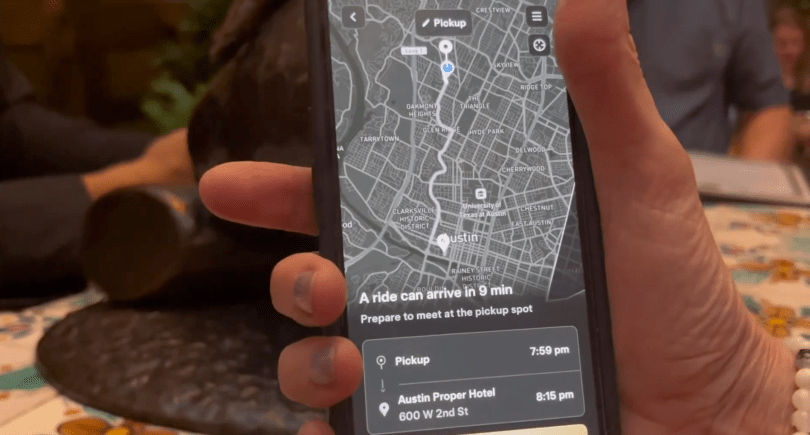
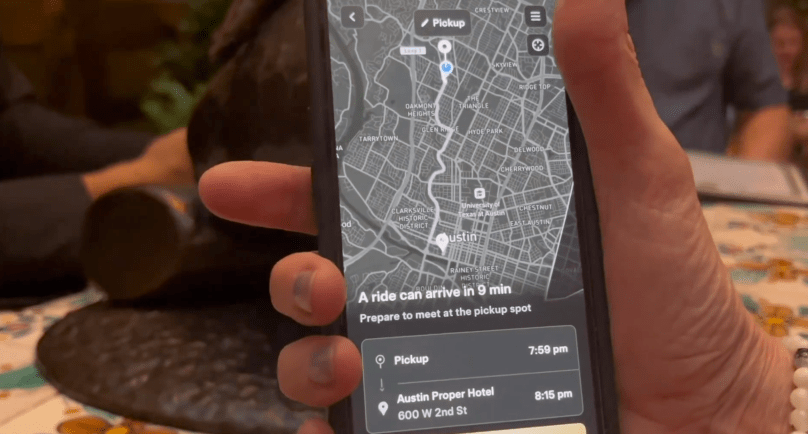
Robotaxi App is elegant and beautiful to use.

Sales and Tech Edge

Model Y tops global charts, even without full autonomy. Supervised FSD’s a huge draw; production lags Robotaxi AI but catching up soon. Loosening driver attention rules will fix odd disengagements, boosting safety.

Tech Takeaways

  • Hyper Growth: Fleet ops scaling exponentially.
  • Global Push: Regs unlocking Europe/China demand.
  • AI Polish: Step-change improvements ahead for all users.

Watch on X for Austin vibes and Elon’s full take. Thoughts on rollout? Comment below. Next: Cyber updates. Stay electric!

—Gail

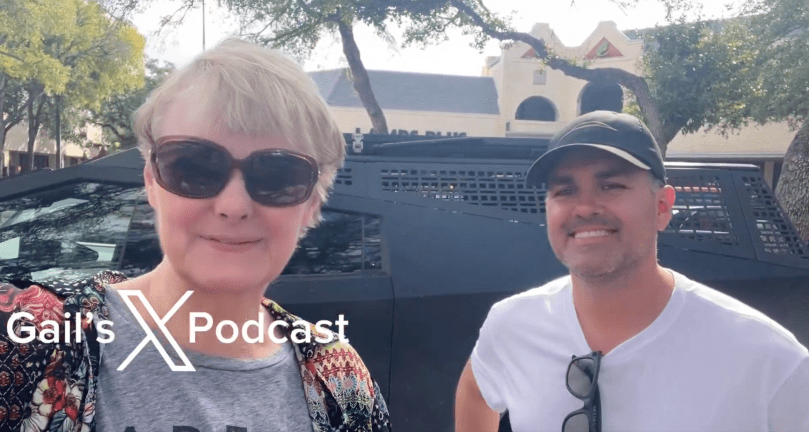
Gail’s Tesla Podcast Ep. 137: Cybertruck Tour & Robotaxi Ride with Aaron Cash in Austin

Hey Tesla FSD fans, Gail Alfar from Gail’s Tesla Podcast! Episode 137 features Aaron Cash, founder of ABetterTheater and Tesla enthusiast, showcasing his over the top Cybertruck and joining me for a Robotaxi cruise in Austin. The X video (20 minutes, pure Cyber magic) is a must-watch. This post breaks down the tech, vibes, and why this ride-along is significant. Let’s watch!

Cybertruck Tour: Rugged Innovation Unleashed

We kicked off near Five Guys Burgers in Northwest Austin—no Giga Texas lot here. Aaron walked us through his Cybertruck, its stainless steel exoskeleton wrapped in matte black. Inside: a cavernous vault bed with power outlets, adaptive air suspension smoothing bumps, and steer-by-wire making tight turns a breeze. He explains Instant camper mode, which I mistakenly thought were solar panels on top of the truck! Note: The 48V system cuts wiring by 70%, boosting efficiency. Aaron’s take—500+ mile range, 11,000-lb towing—had me sold.

Cybertruck Tour & Robotaxi Ride with Aaron Cash in Austin

Robotaxi Run: Austin Autonomy in Action

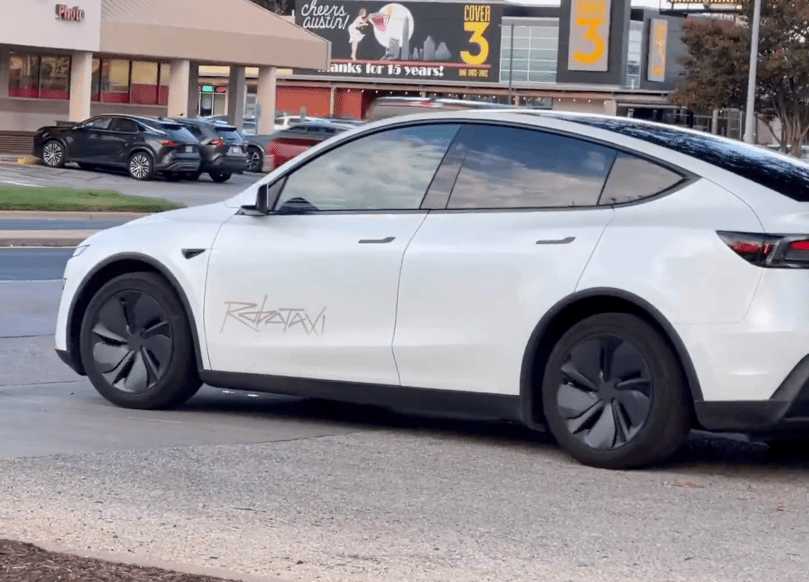
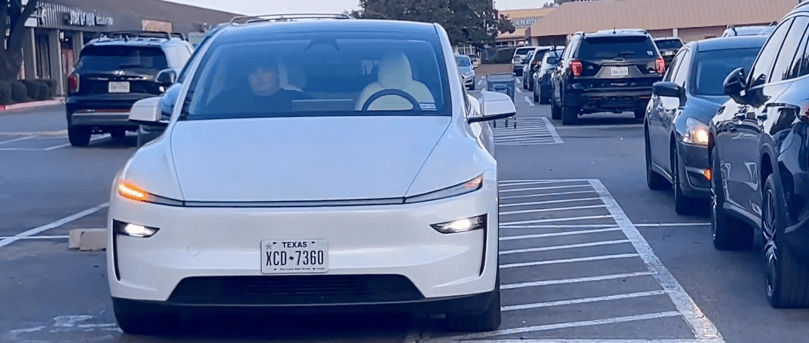
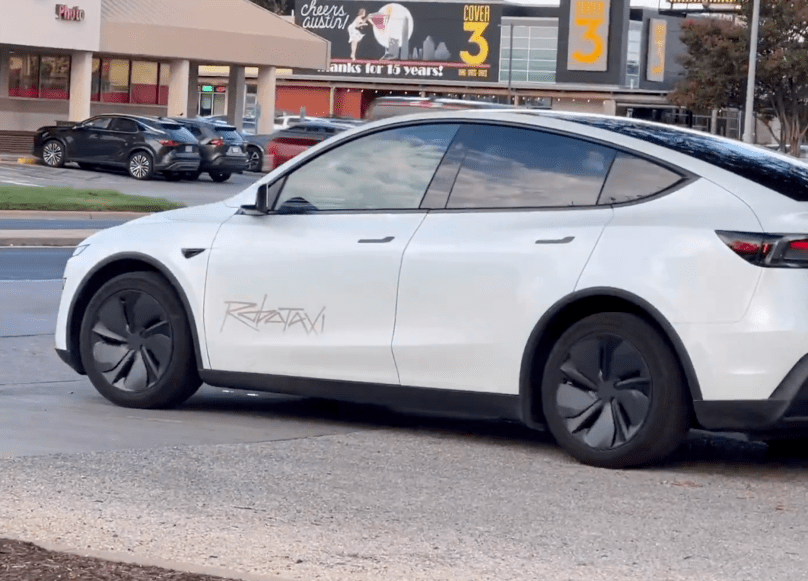
We swapped to a white Model Y Robotaxi near Planet Fitness. It glided through Northwest Austin’s evening traffic—flawless merges, pedestrian dodges. Aaron and I chatted rollout: Elon’s fleet vision, cars earning, all while the Robotaxi took on the streets of Austin during rush hour with NO problems! Bonus: Aaron geeked out on his ABetterTheater app, an easy to use hub for streaming Netflix, YouTube, and Tesla tools right from the car’s screen—check it at members.abettertheater.com for seamless in-ride entertainment.

Tech Takeaways

  • Cybertruck Power: Built tough, wired smart—perfect for anyone ready to push the limits.
  • Robotaxi Flow: Very low cost rides maximize focus, minimize stress.
  • Aaron’s Vision: Autonomy’s close, and Tesla’s leading the way!
Cybertruck Tour & Robotaxi Ride with Aaron Cash in Austin

Gail’s Tesla Podcast Ep. 136: First Public Robotaxi Freeway Ride in Austin

Hey tech enthusiasts, Gail Alfar from Gail’s Tesla Podcast! Episode 136 captures a historic Sept 1 ride—our first public Robotaxi freeway cruise in Austin. The X video’s a must-see (under 5 minutes). Here’s the breakdown: tech, sunset vibes, and why this changes everything.

The Launch: Freeway Bound

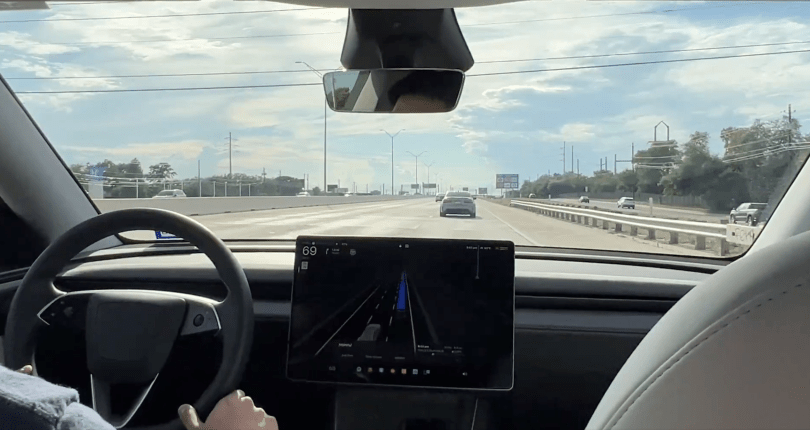
Summoned a Model Y from central Austin, aiming for I-35. With a safety monitor aboard, the car merged onto the freeway like a seasoned pro—smooth acceleration, perfect lane discipline. FSD’s end-to-end AI predicted traffic flow, weaving past semis with ease. This ride came as a complete surprise to me, I expected a streets only Robotaxi, so when it hopped up onto the freeway, I was elated!

Sunset Cruise: Visual and Tech Win

Cruising north, the car handled lane switches and construction zones flawlessly. Then, the sunset stole the show—orange and purple painting the sky. No gripping the wheel, just soaking it in. Exiting toward downtown, it took a scenic bridge route over Lady Bird Lake. Zero interventions, pure chill.

Back to Base: City Street Mastery

Summoned another Robotaxi for the return. Surface streets? Handled—potholes dodged, lights synced. City lights flickered as we cruised Rainey Street. This is FSD Supervised evolving into Robotaxi’s core.

Tech Takeaways

  • Highway Ready: Safe, confident merges and exits.
  • Scalable Future: Fleet data refines every mile, hinting at mass rollout.
  • Stress-Free Joy: Sunset rides without distraction—game on.