In the rolling vineyards of Cernay-lès-Reims, where the ancient soil has nourished Chardonnay, Pinot Noir, and Pinot Meunier for centuries, a new kind of guardian has arrived.
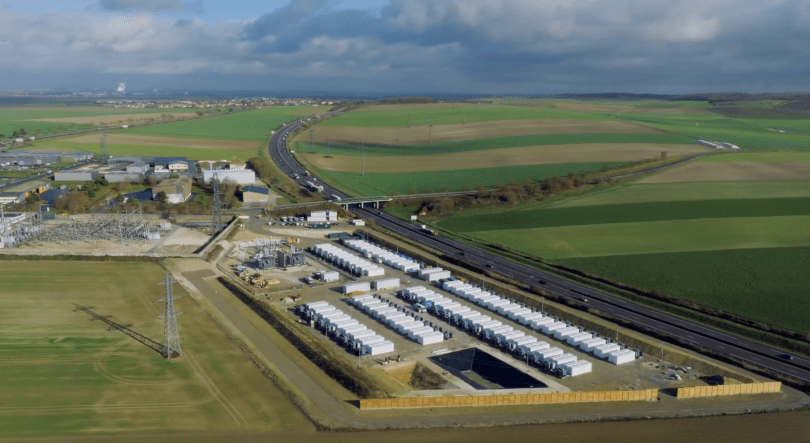
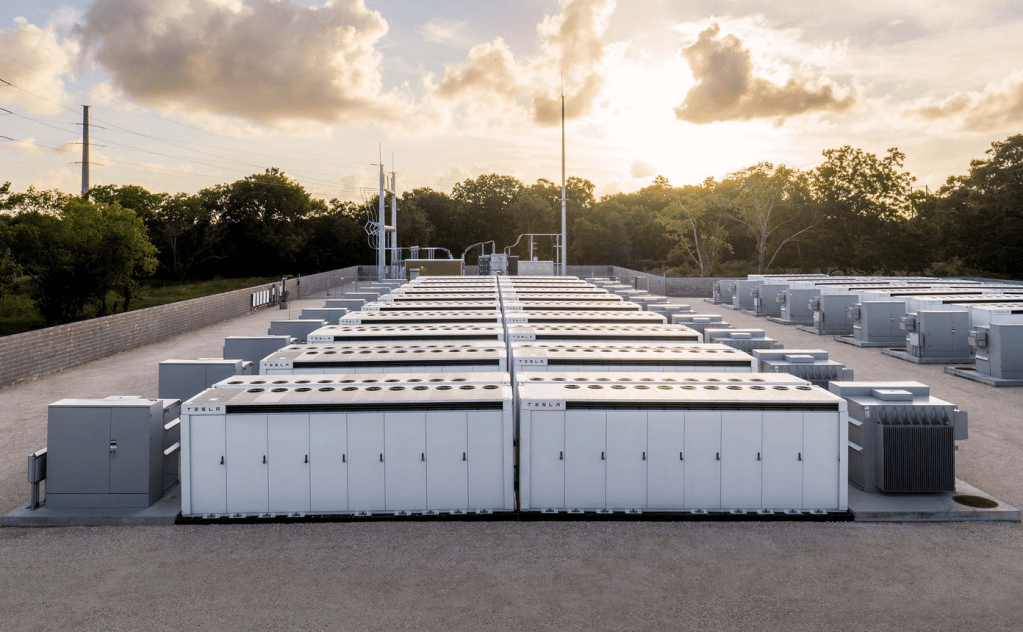
France’s largest battery storage system: 240 megawatts of power and 480 megawatt-hours of capacity… is coming online, not through government decree or taxpayer largesse, but through the visionary engineering of Tesla and the private partnership with TagEnergy.
As the company posted on X:
"Megapack + Autobidder will soon be online in the east of France!
The 240 MW / 480 MWh Cernay-lès-Reims site is being developed by TagEnergy and will be one of the largest batteries in France.
Tesla is providing full scope Engineering, Procurement and Construction (EPC) and the site will be operated using Tesla's Autobidder trading platform."
Megapack + Autobidder will soon be online in the east of France!
The 240 MW / 480 MWh Cernay-lès-Reims site is being developed by TagEnergy and will be one of the largest batteries in France
Tesla is providing full scope Engineering, Procurement and Construction (EPC) and the… pic.twitter.com/8VAjE4PqhN
This is more than infrastructure. It is philanthropy in its purest modern form. Elon Musk’s technology offered freely to humanity, stabilizing the grid with intelligence rather than ideology.
The Megapacks charge from France’s own decarbonized abundance: steady nuclear power at night, wind from the north and Grand Est, solar from the south. Carefully monitored and maintained Tesla Megapacks store surplus power cleanly, release it precisely when needed, and protect the delicate alchemy of Champagne’s cellars and fermentations from the slightest interruption.
French wine and cheese have long stood as unmatched treasures of Western civilization with velvety Bordeaux, bold Roquefort, creamy Camembert, and crystalline Chablis. These precious treasures are imitated worldwide yet never equaled.
Tesla Autobidder
Now Tesla’s Autobidder AI platform stands as their silent sentinel, ensuring that this irreplaceable heritage endures through the uncertainties of a changing climate.
In an age of grand promises, Elon continues to deliver quietly a transformative reality.
The Cernay-lès-Reims project is not merely a battery. It is a gift: proof that bold private innovation can safeguard both the planet and the most elegant expressions of human culture.
San Juan, 5 December 2025. The first ship carrying Tesla Megapacks slipped into San Juan’s industrial port yesterday. No speeches, no ribbon-cutting, just 40-foot powder-white boxes that quietly begin the end of Puerto Rico’s decade-long blackout nightmare.
Eight years after Maria wiped out 100 % of the grid, the island is deploying the largest battery rollout in its history: 430 MW of instant power and 1.72 GWh of storage across six plants. Total cost $767 million, paid entirely with pre-allocated FEMA/HUD recovery funds. Zero new taxes, zero new debt.
Tesla won the contract the old-fashioned way: an open international bid in October 2024 against 130 competitors. Best total cost of ownership, fastest delivery, highest round-trip efficiency. As Elon once said, “The best part is no part.” Here the only subsidy is the one physics already gave lithium-ion – no special handouts were needed because the tech is simply that good.
The first containers are already rolling north to Cambalache in Arecibo, where 68 Megapacks will add 52 MW / ~208 MWh beside an aging oil plant. When solar over-produces at noon or a hurricane knocks out lines at midnight, the batteries respond in milliseconds – no spinning reserve, no smoke, no fuel trucks racing through flooded roads.
Elon’s other favorite line fits perfectly: “I’d rather be optimistic and wrong than pessimistic and right.” This project is optimism made hardware.
By 2027 the island expects up to 90% improved grid stability and up to $100 million a year saved on diesel alone.
For anyone who has ever modeled a grid, sized a frequency response curve, or watched a peaker plant burn $150/barrel oil in real time, this hits home.
It’s not charity. It’s not politics. It’s engineering eating a 60-year-old problem and turning it into clean electrons.
Puerto Rico just became the proof point many of us have been waiting for: when the hardware is finally good enough, resilience becomes cheaper than fragility.
The lights are about to stay on. Not because someone wished it, but because someone built it. And that feels pretty darn good.
Elon Musk has long championed a sustainable energy revolution, assuring us, “Earth will move to a sustainable energy economy, and it will happen in your lifetime.” His Tesla Master Plan Part 3 outlined the scale: “The world needs 30 terawatts of renewable power, and 240 TWh of energy storage capacity” to bridge intermittency and foster abundance. Elon emphasizes batteries’ pivotal role, noting, “My personal opinion is that as we improve the energy density of the batteries, you’ll see all transportation go [electric].” He adds, “The energy storage business is growing like wildfire, with strong demand for both Megapack and Powerwall.” This vision is materializes in projects worldwide, proving energy investment equals reliability. And Tesla is building bug batteries at scale in both the US and China.
Harmignies: Innovative Reuse
In Harmignies, Belgium, an old CBR cement factory that once produced white cement until its 2014 closure, now hosts an energy hub. Led by Energy Solutions Group (ESG), the Benelux’s top independent green power producer, this site exemplifies Musk’s push for integrated storage. Tesla supplies the 75 MW/300 MWh Megapack system with 82 units, operational since late September 2025.
Elon highlights such tech’s impact: “Megapack will carry a lot of the world’s load in energy, as it allows power plants to run continuously.” Grid operator Elia integrates it, storing wind and solar surplus for four hours of steady output during failures.
Defying Nature’s Fury with Smart Tech
Wallonia, Belgium’s southern region, faces volatile weather. Storm Amy in early October 2025 unleashed winds over 100 km/h, causing hours-long blackouts and at least three Europe-wide deaths; communications faltered in northern France, Belgium, and beyond. Yet, the Megapacks disconnected from the grid and ran autonomously, sustaining connected operations. Storm Benjamin’s late-October sequel, with 90 km/h gusts amplifying chaos in Brussels, saw the system prevent €500,000 in losses.
Elon underscores solar-battery synergy: “Solar will be the single largest source of electricity generation.” He says, “Truly massive battery tonnage is coming,” to handle such demands.
Fueling Industry and Securing Livelihoods
These factories power Wallonia’s aeronautics, chemicals, and advanced sectors, producing aircraft parts and specialty plastics vital to supply chains. ESG’s €85 million investment balances loads, upholding uptime.
Elon envisions a global scale: “About 1 TWh total batteries have ever been produced. We need to get up to about 15-20 TWh’s produced annually.” He adds, “At 1TW+, solar/battery is the only realistic option,” for gigawatt demands. Here, battery hardware protects jobs and assets, aligning with one of Tesla’s goals to create stunning solar roofs with seamlessly integrated battery storage.
United in Progress: Partners and Horizons
“This goes beyond storage; it’s engineered reliability,” says a Sweco engineer, from the premier European sustainable infrastructure consultancy. ESG leads, backed by KBC Bank (senior loan), Wallonie Entreprendre (junior loan/regional investor), Spie (electrical), Yuso (management), House of Projects (PM), Loyens & Loeff (legal), and investors Patronale Life, Alpha, SFPIM.
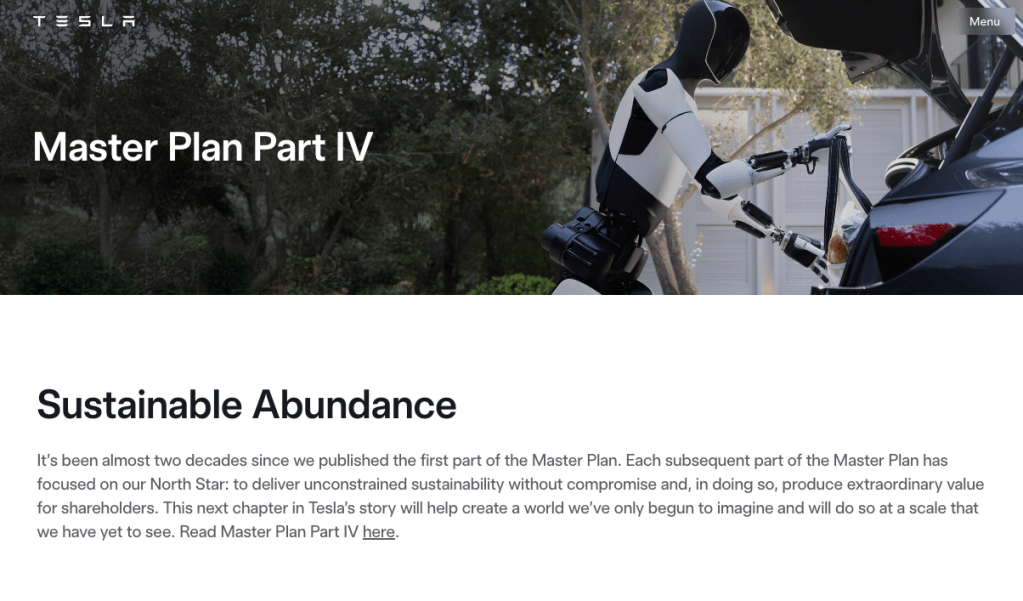
Elon said “Master Plan 3 was too complex… but described how all of Earth could move to sustainable energy. Master Plan 4 will be concise.”
Indeed, Master Plan 4 is concise, and you can fread about it here.
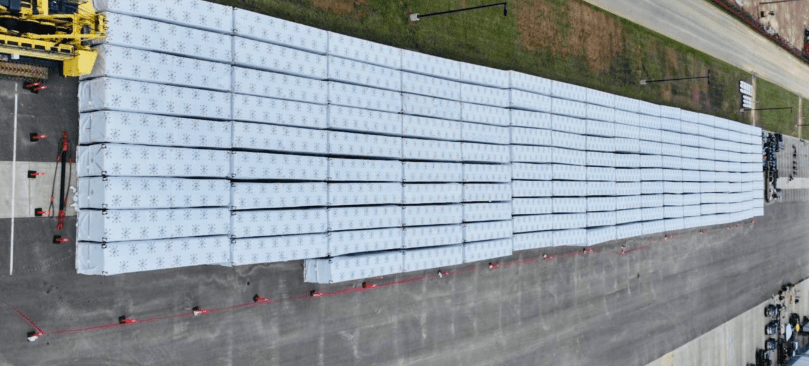
(Memphis, TN) xAI has secured 168 big batteries – Tesla Megapacks – to power up and cool down Colossus 2, a second xAI data center.
Colossus: From 1 to 2
Colossus 1 began construction in early 2024, with planning finalized by March 2024, and started running in September 2024, built in roughly six months. Colossus 2, expanding capacity for complex AI tasks, began development in early 2025, with these 168 powder white Tesla Megapacks delivered by ~ May 19.
Elon revealed on X that Colossus 2 will be the world’s first gigawatt AI training supercluster, this definitely pushes earth’s computational limits.
A gigawatt is one billion watts, enough to power about 750,000 average U.S. homes for an hour, matching the output of a large nuclear power plant.
“Aiming to make Grok the best tool for developers, from enterprise & government to consumer video games!” Elon posted.
The Tesla Megapacks, verified by xAI’s Brent Mayo as designated for Colossus 2, will also ensure grid resilience for the city.
City of Memphis Benefits from xAI’s Commitment
The Greater Memphis Chamber praised xAI’s sustainable practices. “xAI is committed to Memphis through their environmental practices,” the chamber stated, noting participation in MLGW’s Demand Response program. An additional 150 megawatts of Megapack batteries will support the grid during outages or peak demand, benefiting the community. “Grid resilience and battery backup are key to ensuring a successful future for xAI and the region,” Mayo said, adding, “Grok loves the Megapacks!”
My thoughts: Tesla + xAI
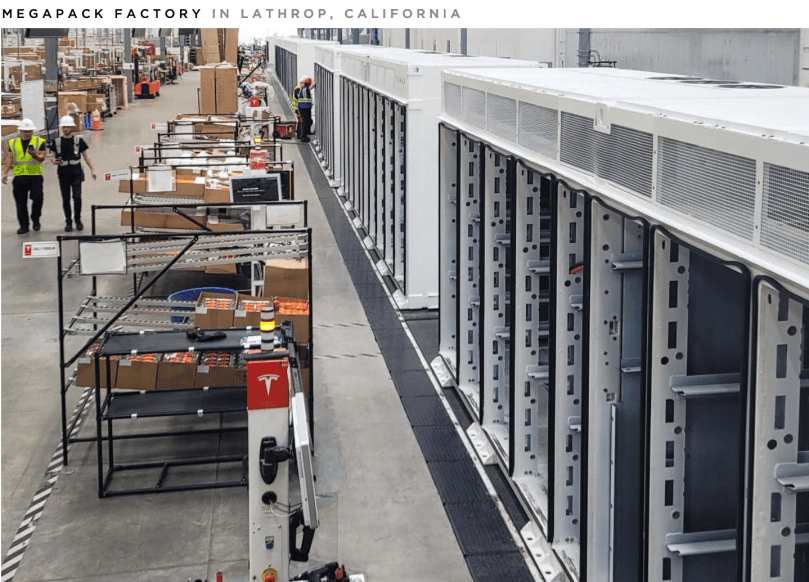
I recently read about the great success of Tesla Megafactory in Lathrop, California. It is beautiful to see manufacturing in the US by Tesla provide the solution to xAI’s power demands. Looking at the data center pics (below) you can tell it is essentially hungry for energy for power and cooling. I’ve seen a small data center up close in Austin, Texas, and noticed the huge effort made to keep it cooled.
With Colossus 2, xAI is not just building AI but also serving to buffer local energy infrastructure in case of a power outage.
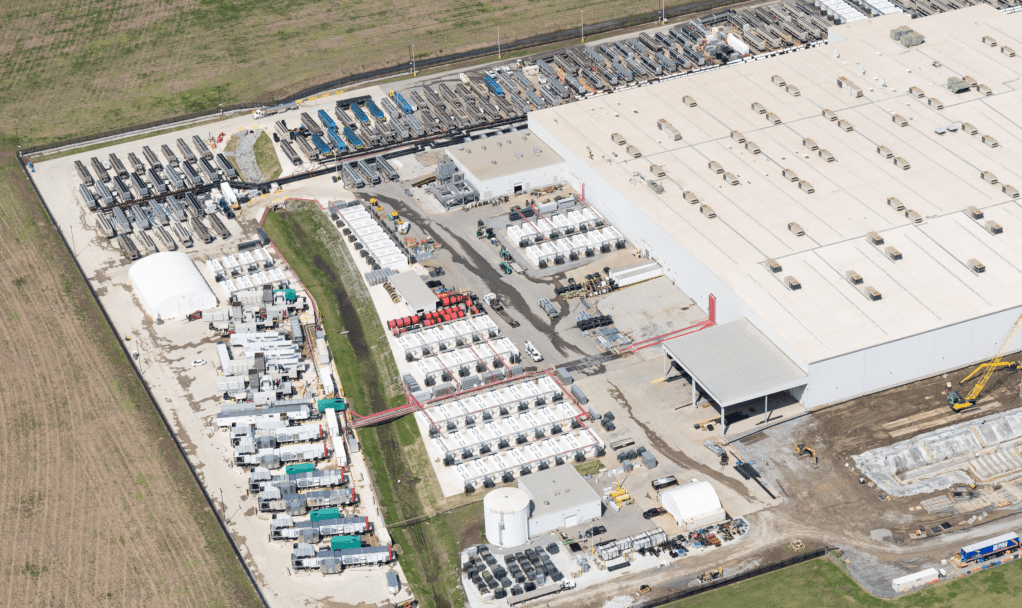
Zoom in to see Colossus I Tesla Megapacks and fossil generators. pic credit unknown
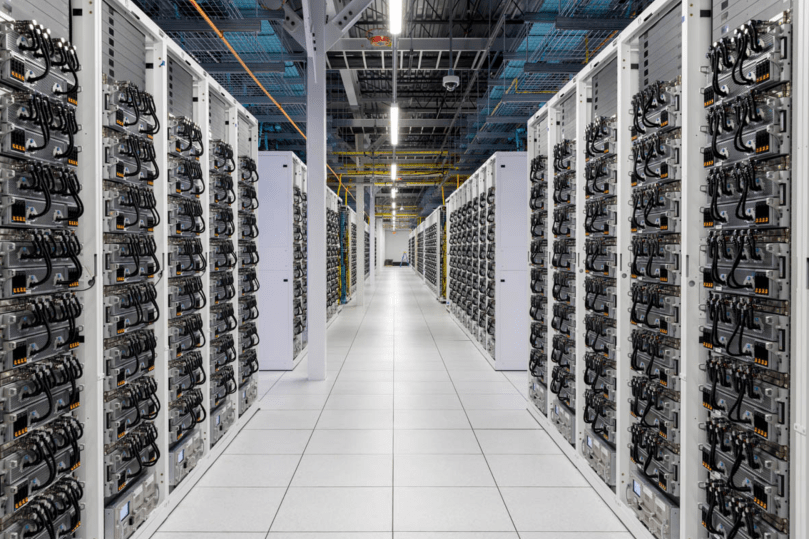
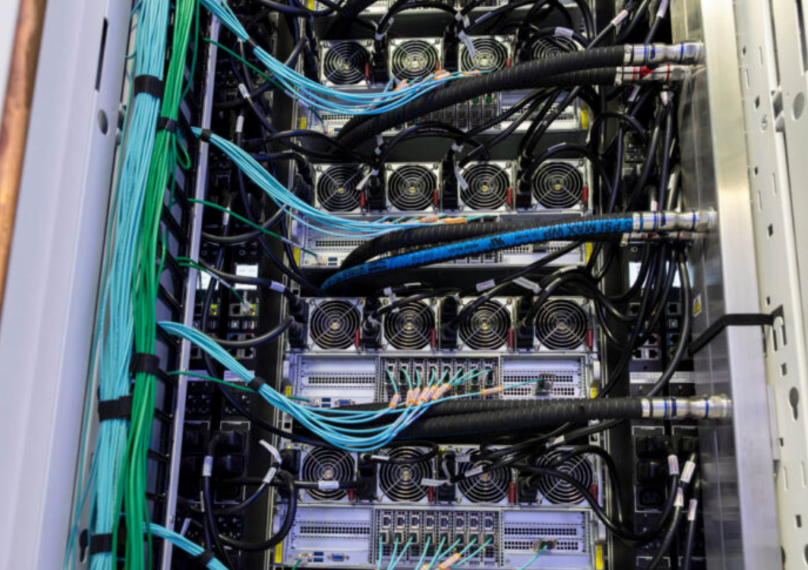
Inside Memphis Colossus I( pic credit unknown)Zoom in on calling tubes for data center Colossus I (pic credit unknown)
The first post I wrote covering Tesla was in January 2022. I wrote about Tesla’s Q4 2021 earnings call. On that day I was locked out of my office (my laptop was locked inside) and there was a Pepsi just sitting there for me to enjoy. I remember calling my friend Johnna Crider that day and we talked until someone opened the doors. I still have that Pepsi bottle to remind me that “there is a lot of work to do, don’t get locked out!” I’ve been writing ever since about one of the best companies in the world: Tesla.
Tesla Q4 Earnings Call
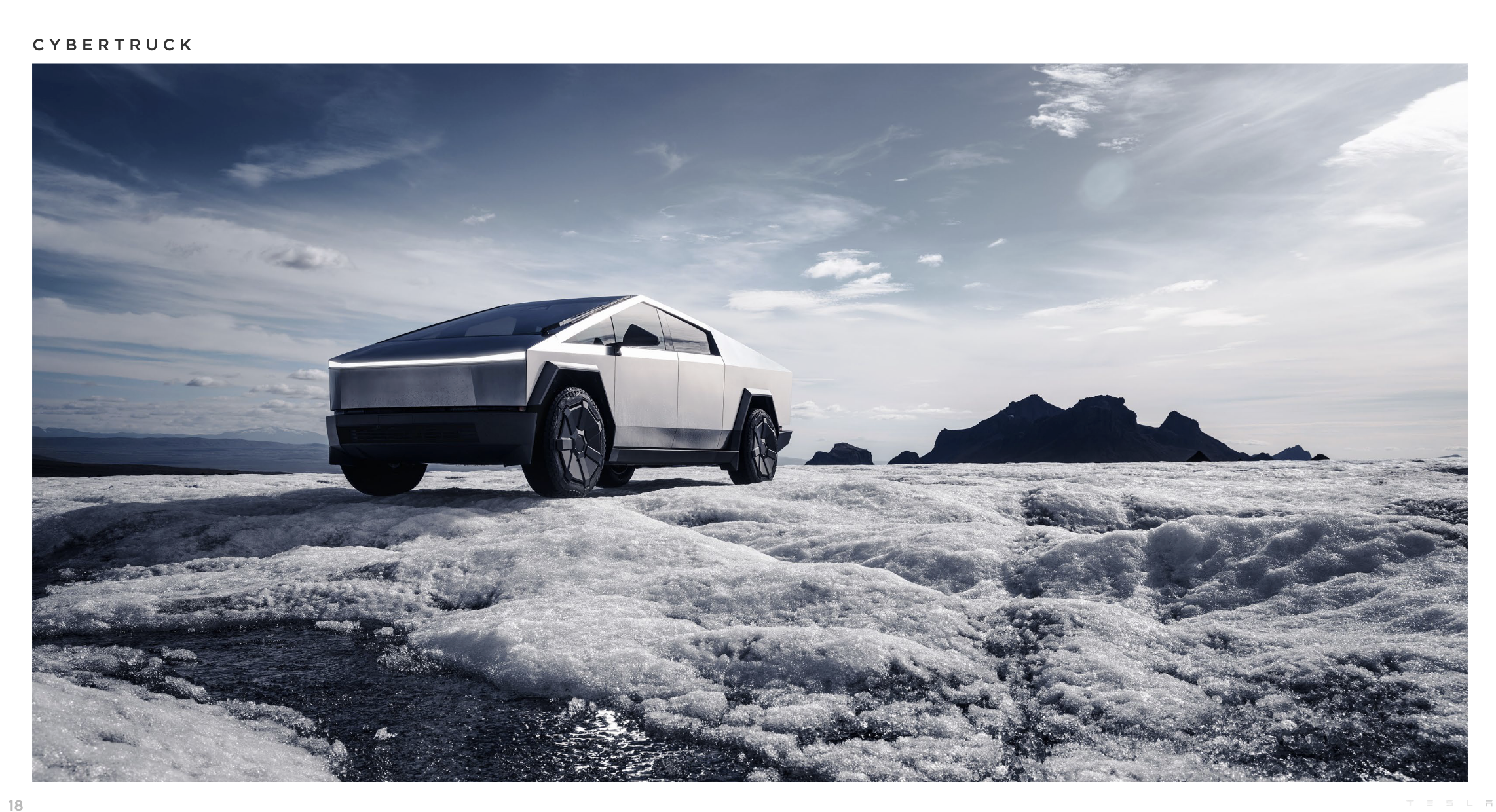
Cybertruck owners love the feel and utility of their vehicles. Tesla built a truck with safety, speed, luxury, utility and performance in mind. You might wonder about deliveries. Are people taking delivery who made reservations years ago? The answer is yes, a Tesla executive explained that Cybertruck’s reservation-to-order conversion rate has been very promising, and if the trend continues, “it is expected that all 2024 builds will be sold out soon. New orders are also anticipated after the launch. The order numbers are increasing, and the team is working hard to ramp up production to fulfill the demand and decrease wait times.”
“Obviously,” Elon Musk said, “we could dramatically raise the price, but that doesn’t feel right to us to (price) gouge people for early delivery.” Elon estimates Tesla will produce around a quarter million Cybertrucks per year in North America, possibly more.
2024 is the year of the Cybertruck, and it is a head-turner
Image Courtesy Tesla, Inc.
“You know, there’s some very good trucks on the road, but if you were to switch out the brand name, you wouldn’t hardly know which company made them. But you definitely would know the Cybertruck. That’s our best product ever.” – Elon Musk
Mini-Timeline: October 7, 2021: Elon Musk officially announces that the Tesla HQ will be located in Austin, Texas.
January 26, 2022: Full-year 2021 financial results reveal that making electric cars is more profitable than making combustion engine cars.
January 25, 2023: Uncertain times did not slow down Tesla. Giga Berlin and Giga Texas joined Giga Shanghai in the production of Model Y, and within months the vehicle became a top seller!
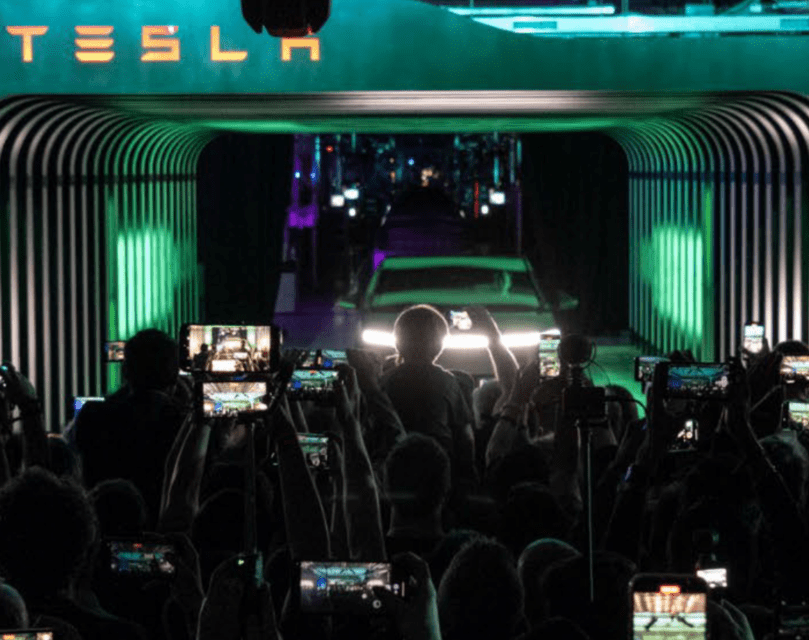
January 25, 2024: Cybertrucks hit the roads in the USA. Model Y surpassed expectations and became the global best-selling car. Gasoline cars fell behind for the first time.
Tesla Energy
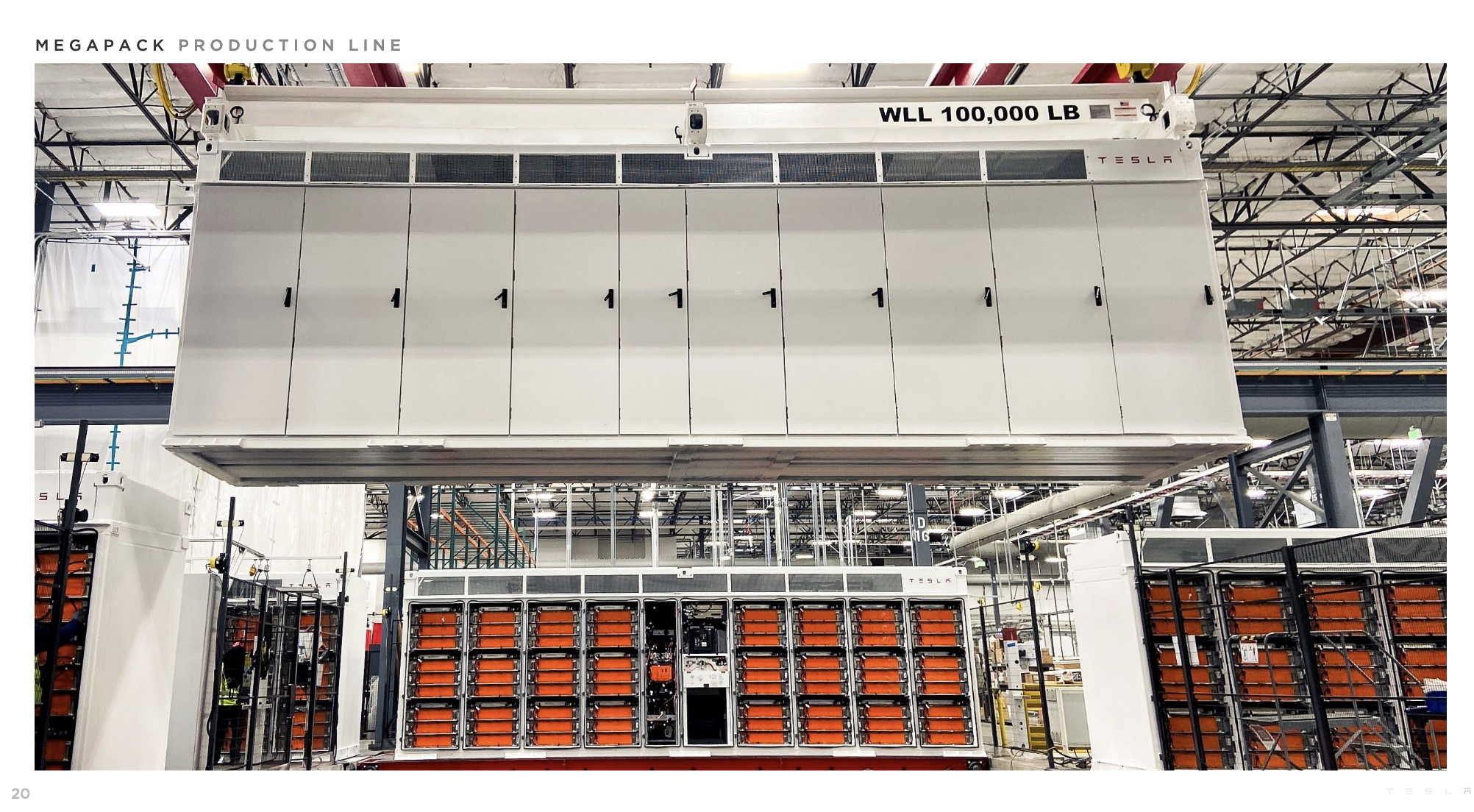
Exciting News: Tesla announced that moving forward they will start reporting Tesla Energy volumes in their production and delivery releases. This is good because Tesla Energy has demand signals globally for their Megapack. Growth is almost guaranteed to be strong and consistent through 2024 and 2025. Tesla expressed gratitude to their partners throughout the world for their trust in the Megapack team and gave personal thanks to the engineering and production teams for their outstanding 2023 performance. The Lathrop facility will double its capacity from 20 to 40-gigawatt hours by the end of the year with the operation of a second final assembly line.
Growth for big battery production has been much faster than the car business. Elon emphasized, “The energy storage business delivered nearly 15-gigawatt hours of batteries in 2023, compared to 6.5 gigawatt hours the year before. Tremendous year-over-year growth, triple digits. I think we’ll continue to see very strong growth in storage as predicted.”
Image Courtesy Tesla, Inc.
Many people are pleased that Elon Musk speaks often about Tesla’s progress and plans. This transparency is rare for big companies. Enjoy his opening remarks.
“The Tesla team did an incredible job in 2023. We achieved a record production and deliveries of over 1.8 million vehicles, in line with our official guidance. And in Q4, we’re producing vehicles at an annualized run rate of almost 2 million cars a year.
This was a phenomenal achievement. Looking at just the Fremont Factory alone, we made 560,000 cars. This is a record. In fact, it’s the highest-output automotive plant in North America.
And people are often surprised that the highest-output car factory in North America is in the San Francisco Bay area. It’s a little counterintuitive, perhaps. And it’s had an incredibly positive impact on that entire area. What would have been a rundown strip mall is the highest-productivity car plant in the Americas.
Think about that. It was derelict when we got it, and now, it’s the most productive plant in this entire part of the world, and it’s enriched the community in so many different ways. It’s really a gem. I’m super proud of the people that work there.
Model Y became the best-selling vehicle globally as predicted, and the best-selling vehicle of any kind, not just electric vehicles, with over 1.2 million units delivered. There’s a lot to look forward to in 2024. Tesla is currently between two major growth waves. We’re focused on making sure that our next growth wave driven by next-gen vehicle, energy storage, full self-driving, and other projects is executed as well as possible.
To close this blog post, I’d like to share with you my imaginary futuristic scenario, inspired by listening to the live stream.
In the year 2032, the world has entered an era of sustainable living and tech advancement, thanks to the visionary leadership of Tesla, Elon Musk, and its pioneering innovations. The family of the future is happier and more connected than ever before, as they enjoy the fruits of an earth transformed by clean energy and intelligent automation.
Thomas and Victoria arrive home in their sleek, self-driving Cybertruck, accompanied by four of their children. The family’s home is a testament to the power of technology, with a clean and inviting atmosphere that has been meticulously maintained by their trusty Tesla Optimus bot.
As the sun sets on the horizon, Victoria opens the smart curtains, revealing a breathtaking view of the city skyline. The temperature is a comfortable 65°, and the family decides to enjoy their dinner on the patio by the pool. The pool is heated by solar energy, a resource that powers the entire city through a network of Tesla Megapacks strategically placed on the outskirts. These big batteries store energy when the sun is not shining and the wind is not blowing, ensuring a constant supply of electricity.
After a delicious meal, the family of eight disperses to pursue their passions. The children immerse themselves in reading, creating art, and engaging in virtual reality gaming experiences, all powered by renewable energy. Meanwhile, the fully charged Optimus bot cheerfully takes care of the post-dinner cleanup, leaving the kitchen spotless and preparing the coffee machine for the next day’s caffeine fix.
As we reflect on this futuristic scenario, it’s clear that Tesla’s groundbreaking innovations have not only made our lives more convenient but also more sustainable and connected. The future is bright, and we have Tesla to thank for helping us to live in harmony with our planet and one another.
Gail Alfar, author. Exclusive to Gail Alfar. All Rights Reserved. My goal as an author and podcaster is to support Tesla (the most American vehicle manufacturer) and Elon Musk in both making life better on Earth for humans and becoming a space-fairing civilization.
FOR MEDIA USE ONLY News media is welcome to use my material in connection with a story or article. By downloading any content I create, you understand and hereby agree and represent that: (1) you are a member of the news media; (2) use of the content is in connection with a story or an article appearing in newspapers, periodicals, digital publications or television; (3) all images and rights thereto remain the property Gail Alfar.; and (4) use of the image is not for publication covers, advertising, promotion or otherwise for commercial purposes. Furthermore, use of any and all images and content appearing on this page must each include the notice “Courtesy of Gail Alfar” Use of materials copied from this website is at your own risk. You must obtain prior written consent from Gail Alfar for uses that exceed the above parameters.
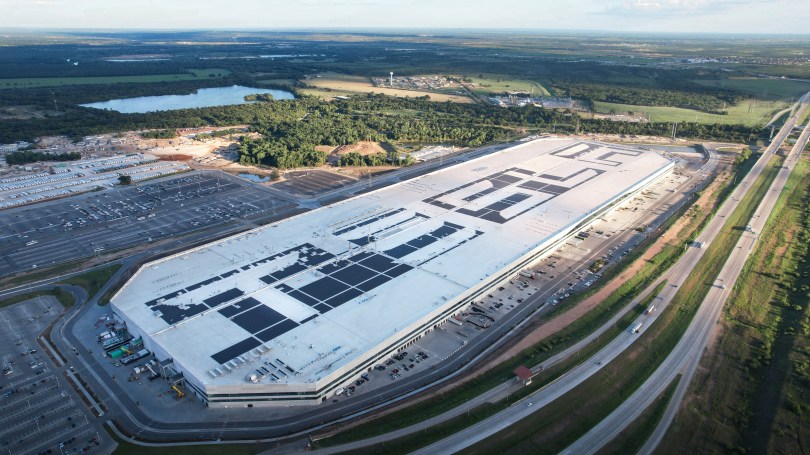
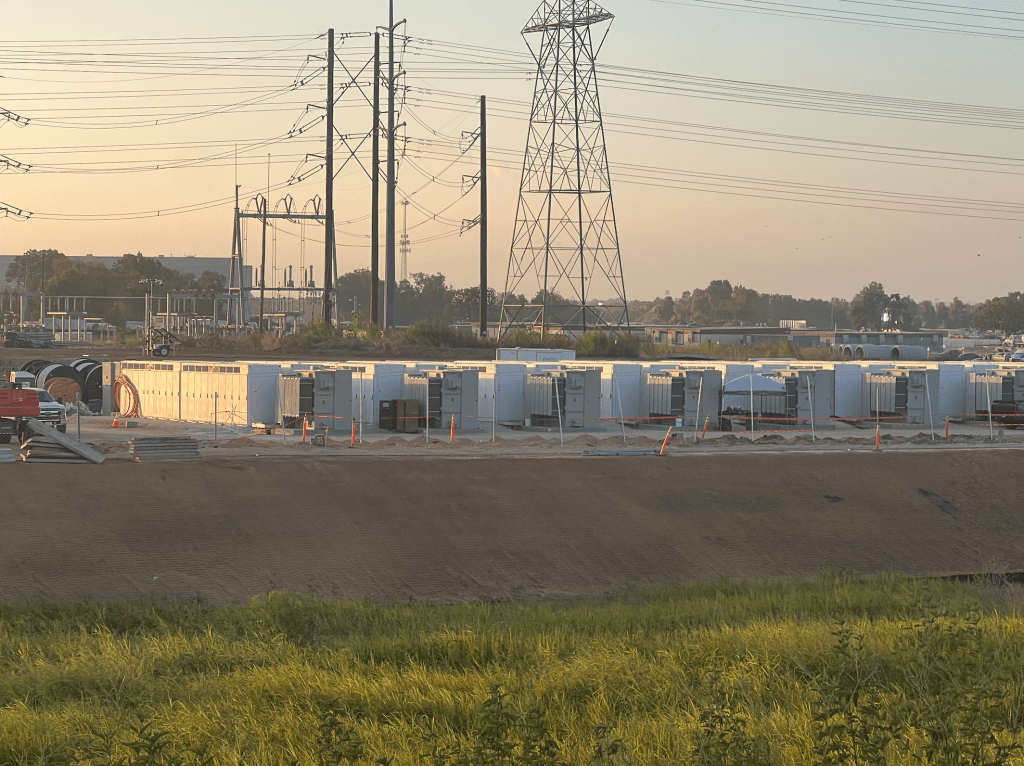
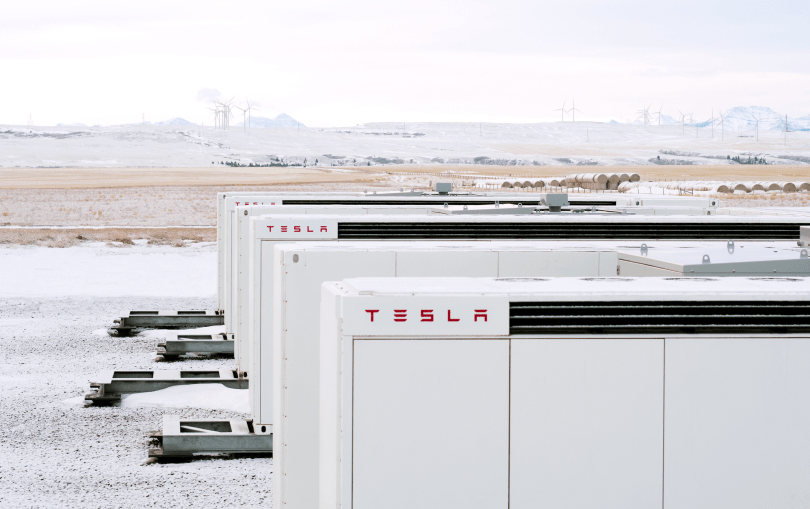
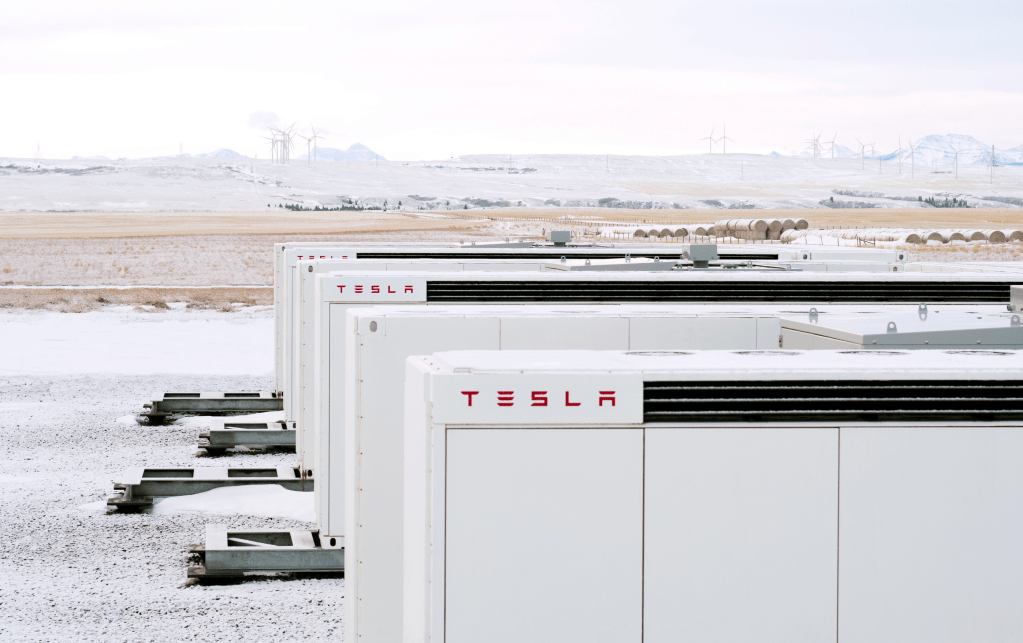
(Austin, Texas) Big battery storage sits adjacent to one of the largest buildings in the world that we know as Giga Texas. These batteries are Megapacks and there are 68 of them.
On Oct 11, we found out in an informal reply to ERCOT from the official Tesla Megapack affiliate account that these Megapacks will be supporting the Texas grid in the upcoming freezing cold winter.
Typically in Texas, January and February are the coldest months of the year. Storm Uri took place in February 2021, and it is appropriate to expect that there will be ice and freezing temperatures again in January or February 2024.
These amazing Megapacks will be serving the Lonestar state, providing 125 MW of backup energy to the entire Texas grid, not just the Austin area or the Houston area, but rural areas as well.
The Texas grid is managed by ERCOT and every corner of the state is interconnected and can be supported by these Tesla Megapacks in the event of severe freezing temperatures.
What’s what’s even more beautiful, is that the solar panels on top of Giga Texas are harnessing in clean energy from the sun, and then that energy is being stored in these 68 Megapacks every day.
Additionally, Tesla announced that they are building another 40 MW of big battery storage for Texas, but did not release details, but it is noteworthy, as the more battery storage there is, the better.
My take is that Megapacks are the best solution in Texas at this time because they provide backup storage at zero upfront investment cost to the consumer.
The clean energy stored in Megapacks, are an optimal solution, helping all people, regardless, of where they live, in the state of Texas, keeping the lights on and saving lives. In tragic storm Uri, in 2021, my family and many others, lived through 7 days of loss of power and frozen pipes, and although we survived, the tragic death toll was 246 people in the state of Texas.
Looking forward let’s hope that everybody stays safe and enjoys a warm, comfortable winter, and not have to worry about the lights going off, the water turning off, and freezing cold temperatures even inside of dwellings. Everybody should have a warm place to stay safe even in the coldest of days!
This article is a message of thanks to Tesla for doing great work to protect Texans this coming winter.
This article written by a Texan for you with much love. I hope you stay warm and safe every winter and fully enjoy the cold weather with the holidays coming up! By Gail Alfar, please credit accordingly.
Weather extremes. We’ve seen fires in California, rolling blackouts across most of the country, and hurricanes in the Southeast.
This article is about big battery storage, specifically, Tesla Megapacks and why they are increasingly the choice for public utilities and companies. I’ll also discuss margin, or ROI (return on investment).
We will specifically look at three entities that have recently built or plan to build big battery storage.
Powering Florida’s Only Rice Mill: A Single Tesla Megapack
When the sun sets over Palm Beach County, Florida, one Tesla Megapack is helping power Florida’s only rice mill.
Florida Crystals Corp, had the foresight to plan to generate energy with a 900 panel solar array and order a Tesla Megapack. On May 31, they announced on Twitter that their Megapack is up and running, supplying electricity to the mill after dark and ensuring the power stays on around hurricane season to protect valuable rice.
Megapack is estimated to reduce carbon by 250 tons annually and is 1.8 MWh.
Remarkably, this Megapack is also the first one in Florida!
Arizona’s Giant Clean Energy Storage: Strata To Build 255MW/1GWh Tesla Megapack Project
Big projects are needed to transition our world to sustainable energy. APS or Arizona Public Service is a utility that serves more than 1.3 million homes and businesses in 11 of Arizona’s 15 counties. This requires a lot of electricity!
Private company, Strata Build, plans to build, own and operate a huge 255MW/1GWh Tesla Megapack clean energy storage system with a value of $500M. Strata will then provide power to APS.
Australia’s Power Revolution: Megapacks Keeping Power on Across the Continent
As sure as the sun shines and the wind blows over the splendid continent of Australia, Tesla Megapacks are keeping the power on for millions of people.
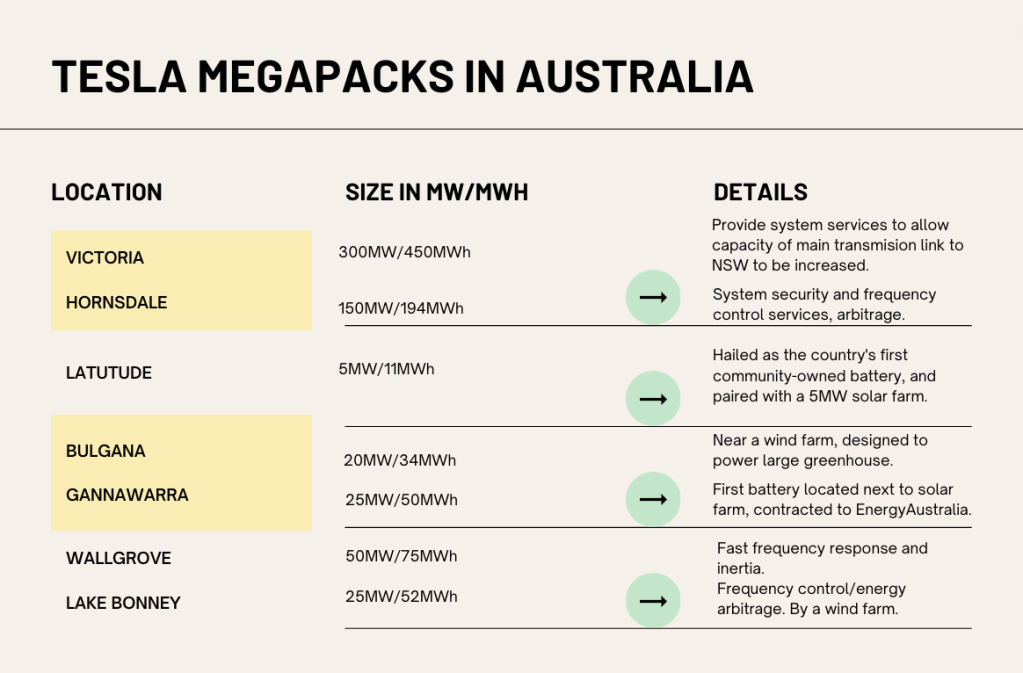
I created a chart of Tesla Megapacks that are currently operating in Australia. There are many more Battery storage plans proposed, announced, and under construction. Other companies are also building big battery storage for Australians.
Information accessed from Renew Economy Big Battery Storage Map of Australia accessed on June 2, 2023.
Powering Growth: The Compelling Case for Investing in Tesla Megapacks
One of the probing questions I had from a reader of mine, was about margins. For this, I like to look at the future benefits to humanity. We can measure the value of Tesla or other big battery storage by its capability to keep the power on when the sun is not shining in the wind is not blowing.
Let’s imagine a public utility that serves 1M people that undergoes several power outages a year. Now visualize Megapacks stepping in and keeping power on for schools, hospitals, living spaces, and companies (the rice mill in Florida).
Speaking of the rice mill, a value can be assigned to the 90M lbs/year of rice that Florida Crystals Corp. is trusted to mill for its many clients. The volume of rice is enough for 4 million people annually. Businesses that have reliable power can thrive, grow, and expand, that’s a great ROI.
Every person benefits, including the many people that are employed in installing and maintaining Megapacks.
Another great value, which is hard to assign a dollar amount to, is in the essential concept that people stay safe and healthy.
Tesla’s website (accessed on June 3, 2023) allows you to reserve one Megapack to a max of 1000 Megapacks, with planned delivery in 2025. The base cost of one is around $2,8M (including installation).
Tesla’s Master Plan 3 includes Megapacks, Lithium refining, and Tesla Energy
Tesla Lithium refining in Corpus Christi, Texas, will enable Megapacks to be built faster. (It’s much easier to build a Megapack than to build a vehicle.) Megapacks, built at a certain volume now, will increase in scale.
Although it may seem a small step forward, Tesla Energy is putting programs together starting in Texas for charging Tesla vehicles during times when there’s excess wind production at night.
My take is that It’s worth following Tesla Energy carefully, in my opinion, Tesla starts off with what looks like small moves, and then those moves grow exponentially. Today, for example, buyers of a new Model 3 may apply to charge at home for free for 1 year with Tesla Energy. Late December 2022, Tesla Energy began an electricity plan in Texas designed for Powerwall owners. What will we see tomorrow?
I hope your summer is cool, memorable, and filled with adventures led by your hearts’ desires!
Thanks as always for supporting my writing. Article by Gail Alfar please credit accordingly. Thanks to Tesla Energy, Arushi Sharma Frank, Tesla Megapack, and reader Darrell Park for suggesting this topic.
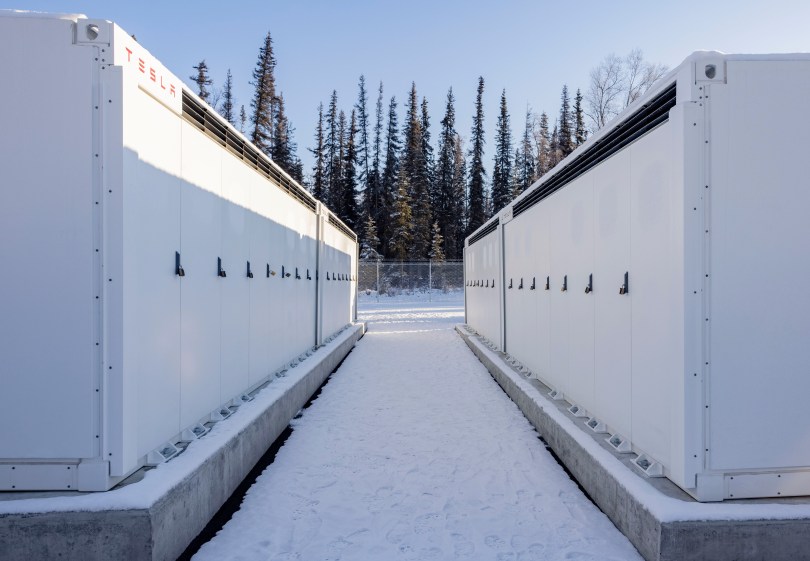
Tesla Megapacks at Alaska’s Kenai Peninsula. Credit: Tesla
You are living in the early stages of the transition to clean energy. In the coming years, expect most gas and coal peaker plants to close. These will be replaced with battery storage of mostly solar energy.
This article is about four challenges that will be overcome for this incredible transition to succeed.
UPDATE: Elon Musk saw this article on Twitter, and replied to it on July 25, 2022, calling it a “Good article.” I hope that you’ll enjoy it as well!
#1 Increasing Supply of Refined Lithium
There is currently not enough refined Lithium, and this provides a challenge in the transition to clean energy. Tesla is working to scale battery production with refined Lithium at Giga Nevada and the new Megafactory in Lathrop, California.
At the Q2 2022 Earnings call, Elon Musk emphasized the need for more refined Lithium, the component needed for batteries. Elon said,
“I’d like to, once again, urge entrepreneurs to enter the lithium refining business.” Elon Musk
Elon Musk revealed in a recent interview with Johnna Crider that extremely pure battery-grade lithium hydroxide or lithium carbonate is needed to prevent breakdown in the battery cell,
“For example, with lithium, it’s more lithium refinement than it is the actual mining. So you better take the ore that contains lithium, and you’ve got to refine it and get it to battery-grade lithium hydroxide or lithium carbonate. And it has to be extremely pure. Otherwise, you could have a breakdown in the cell.” Elon Musk
#2 Scaling Battery Manufacturing
Scaling battery production is a constant challenge as processes must always be flexible enough to improve.
Building batteries faster and at larger scale will occur in order for our world to transition to clean energy. Tesla is addressing this challenge and currently building batteries ranging in size from 13.5 kWh Powerwall to 3000 kWh (3 MWh) Megapack. Large and small batteries are needed to combine with others to form massive power plants, replacing old-style gas and coal energy with solar.
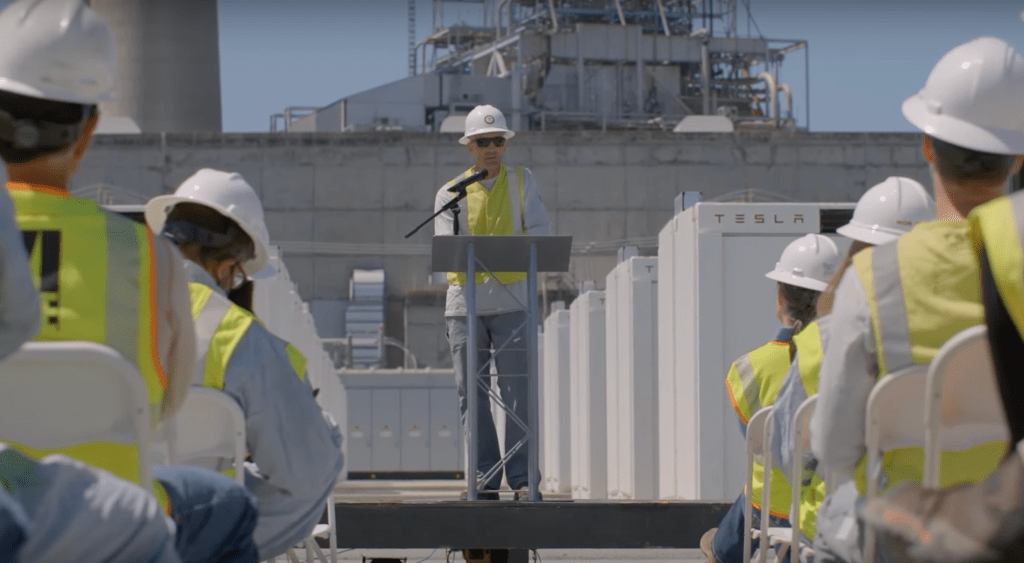
Tesla Energy Engineer Mike Snyder speaks against the backdrop of 256 Tesla Megapack battery units on 33 concrete slabs at Moss Landing
Mike Synder of Tesla Energy, spoke at the opening of Moss Landing Elkhorn Battery last month, saying Megafactory Lathrop will produce ~ 40 GW hours of Megapacks a year,
“The Megafactory fully ramped can produce up to 40 GW hours of Megapacks per year. For context, 40 Gigawatt hours is approximately 50 of the projects you see behind us here, being produced each year here in California and really around the world.”
#3 Working with Existing Infrastructure to Streamline Clean Energy Installations
Tesla Megapacks, Angleton, Texas. cr: Tesla
It is difficult to integrate the existing older infrastructure seamlessly with Tesla’s new hardware and software system, and it has to be done. Moss Landing near Monterey, California is a location known for decades as exclusively a gas peaker plant site. Thus, it contains physical infrastructure needed to wire energy to customers. Snyder spoke about this challenge,
“There’s a lot of work and figuring out how to integrate these large projects into our existing infrastructure.
As the projects become larger and larger and more powerful those problems become more nuanced and more complicated to solve, and we all have to work to do that together.
Its about landing the wires here at a critical substation, like Elkhorn, or it’s about assessing the grid impacts at different interconnection points in the grid.
All of those problems become much more interesting for engineers and much more complicated to solve, and we need to be doing that together.
And really, as we grow we need to collectively assess how best to leverage such a flexible, fast-acting, bidirectional resource like we’ve never really had. It’s truly an exciting time to be in the industry!”
#4 Updating Local Policy to Encourage Virtual Power Plants
As Tesla Energy works to meet the demand for battery storage systems with Megapacks, another way to meet demand is through aggregating together Tesla Powerwalls that individual people like you and I own to form Virtual Power Plants.
It takes time and effort to change old ways of thinking at state and local levels. Tesla’s Energy Policy team is working in my home state of Texas to help get virtual power plants online. I wrote about that last month in “Tesla’s Texas Virtual Power Plant ASAP.” Although the process might seem slow as molasses in wintertime, eventually it will happen, and there are things you can do to support these efforts! (I list some at the end of this article).
It was a change in policy for PG&E to allow ~1500 California residents who own home Tesla Powerwall batteries to volunteer to join together to form a virtual power plant. PG&E announced they will “call load management events for participating customers, directing their battery to discharge when there is high demand for electricity.”
A positive policy change led to the “Emergency Load Reduction Program [ELRP]” which aims to discharge stored battery energy to the grid during high electricity demand. Tesla Powerwall owners are the foundation of this program. According to a news release, the ELRP is managed by PG&E, San Diego Gas & Electric, and Southern California Edison.
These programs and similar ones will eventually be seen in many states and in countries around the world over time.
CONCLUSION
Having a constant and reliable source of refined grade lithium is a challenge. This must be achieved in order to scale battery manufacturing.
Tesla Energy leader Mike Synder voiced the challenge of working with existing infrastructure. “There’s a lot of work and figuring out how to integrate these large projects into our existing infrastructure. As the projects become larger and larger and more powerful those problems become more nuanced and more complicated to solve, and we all have to work to do that together.”
Local policies are a challenge. Transitioning to clean energy means giving up the old ways of relying on gas peaker plants. Tesla Energy Policy team aims to continue to work with local policy leaders in order to speed up the transition to sustainable energy.
Here are a few ways you can help:
If you own a Tesla Powerwall, sign up to participate in a pilot program if it is available in your state. Currently, Texas has a three-year pilot program in the planning stages!
Join the Bros. for Decarb. Their motto is “just a group of Bros who care about decarbonizing the global economy as fast, cheap and reliable as possible.” They can be found on twitter and they also sell t-shirts with LFDECARB to subtly remind us that the Southeast is often ignored in DECARB. All their profits go to @energyalabama
Tesla’s Texas Virtual Power Plant ASAP details how Tesla is offering a proven solution to the fragile Texas grid currently operated by ERCOT. Tesla has proved that its Virtual Power Plant can work extremely well.
Article by Gail Alfar. Exclusive to What’s Up Tesla – This blog post was created utilizing STARLINK satellite services. All Rights Reserved. July 24, 2022. If you can support this blog financially, info is at “How You Can Support.”
One-Time
Monthly
Yearly
Make a one-time donation to support What’s Up Tesla
Make a monthly donation to support What’s Up Tesla
Hello! Welcome back to What’s Up Tesla! As a Tesla owner and supporter, I am constantly learning about the incredible creations of a company I once just associated with nice cars and solar products. Though it was confusing at first, I have come to an understanding of yet another aspect of Tesla. Autobidder is an amazing piece of software created by the Tesla team. I am excited to share Autobidders’ incredible features with you and explain why it is so important.
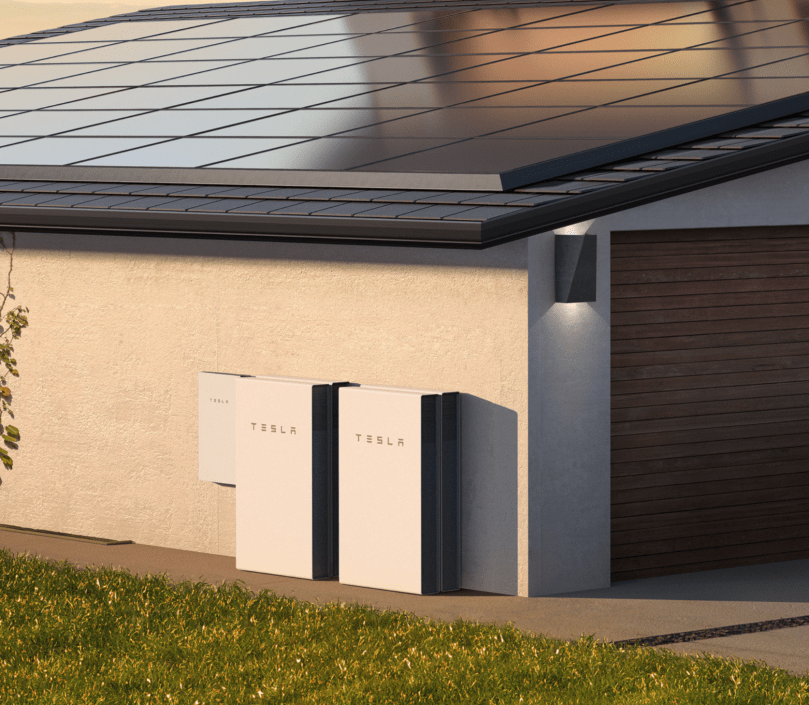
Tesla Solar Panels and four Powerwalls [credit: Tesla]
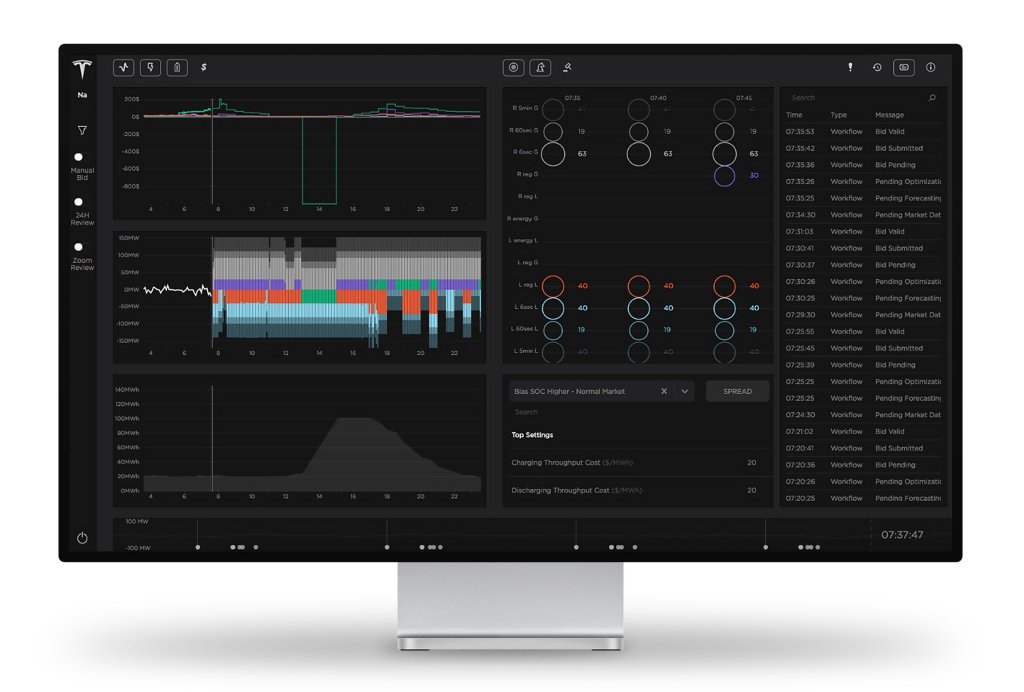
Tesla creates software to optimize battery storage systems. The purpose of Tesla’s Autobidder software is to allow the owner of a Tesla Powerwall to sell their excess power to the grid automatically and at the best price. The software automatically bids a competitive price to a buyer. Tesla explains Autobidder,
Autobidder provides independent power producers, utilities, and capital partners the ability to autonomously monetize battery assets. Autobidder is a real-time trading and control platform that provides value-based asset management and portfolio optimization, enabling owners and operators to configure operational strategies that maximize revenue according to their business objectives and risk preferences.
Autobidder is already being successfully deployed in South Australia at the Hornsdale Power Reserve (HPR). This market bidding has added competition to drive down energy prices. Tesla Powerwalls and Megapacks are much more valuable assets to their owners if they are managed by the Tesla Autobidder System. Tesla explains it this way,
Batteries are highly flexible assets, but they require smart strategies and software to realize their full value. Autobidder allows owners to realize this value by handling the complex co-optimization required to successfully stack multiple value streams simultaneously, including:
Wholesale markets, including energy, ancillary services and capacity
Transmission & Distribution-level grid services
Renewable firming and shaping
Bilateral contractual arrangements
Other portfolio needs
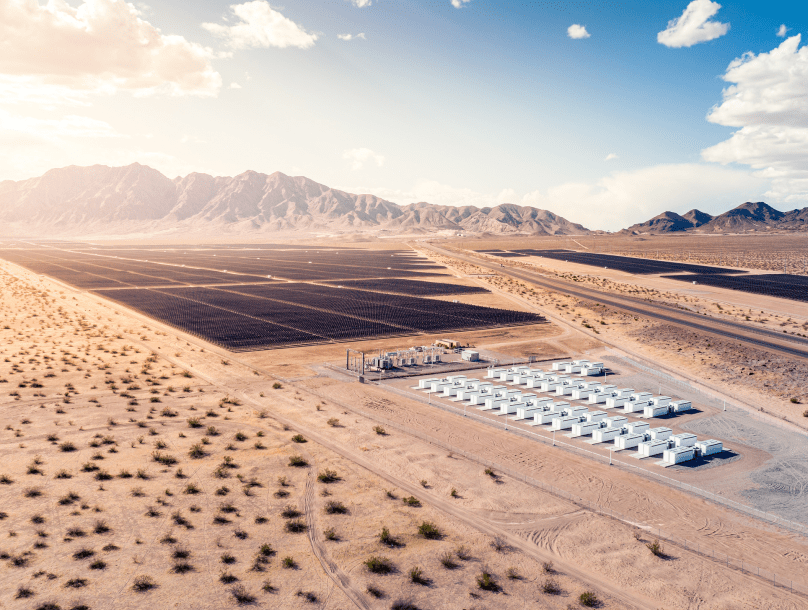
Telsa Megapacks and Solar [credit: Tesla]
“Autobidder operates at every scale: from aggregations of behind-the-meter residential systems to 100 Mega Watt utility-scale installations” – Tesla
Example of Tesla Autobidder Software in action [credit: Tesla]
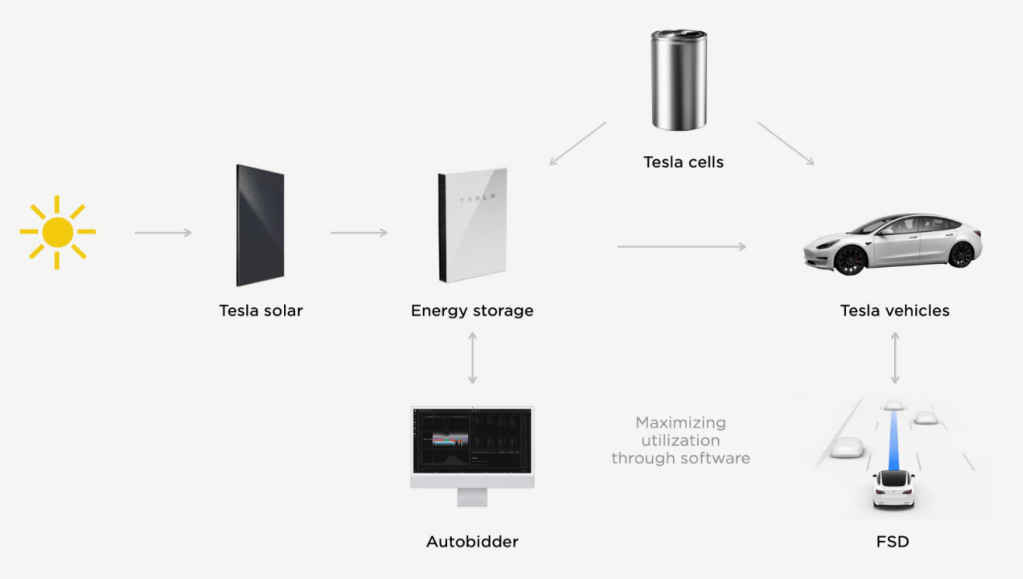
“We are designing and manufacturing a complete energy and transportation ecosystem. We both develop the technology behind this ecosystem and focus on the affordability of the products that comprise it. We seek to achieve this through our R&D and software development efforts as well as through our continuous drive to develop advanced manufacturing capabilities.” – Tesla
My thoughts
I expect the electricity grid in my state of Texas to improve rapidly when ERCOT allows residential battery storage to create temporary microgrids to help in emergencies like tornadoes, hurricanes, and other extreme weather conditions. When Tesla Powerwall customers in Texas and beyond can participate in the free market and sell power, families will stay safer including yours!
If this topic interests you, consider attending a workshop through ERCOT hosted by Tesla, “Tesla Virtual Power Plant Workshop Related to OBDRR041 by Webex Only.” Date/Time: May 31, 10:00 am. If you are unable to attend, the meeting should be available in the archives here.



 whatsuptesla.com