Low-Earth orbit is a crazy-busy highway with thousands of satellites moving at insane speeds. One wrong move, and debris could snowball into Kessler syndrome, wrecking orbits for years.
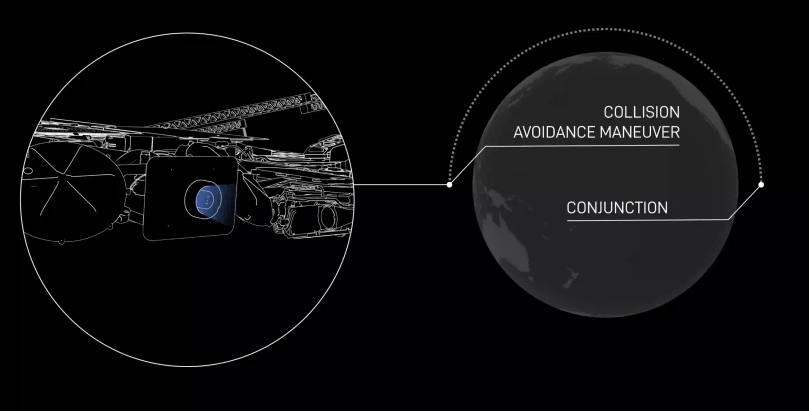
Enter Stargaze, SpaceX’s smart fix announced in late January 2026. They repurposed the tiny star-tracking cameras on 10,116 active Starlink satellites right now (that’s roughly 30,000 sensors total, and yes, they just crossed the 10,000 mark a few days ago) to spot nearby objects.
Result? About 30 million observations every single day. This is way more frequent than ground radars that only check sporadically and take hours to warn about risks.
Stargaze crunches the data in near real-time, spots sneaky maneuvers fast, and spits out collision alerts (Conjunction Data Messages) in minutes instead of hours. Starlink has already dodged hundreds of thousands of potential crashes autonomously; this makes everything way easier and safer.
The killer part: it’s completely free for any satellite operator worldwide. No fees, no paywall. Closed beta started right after the reveal; wider access rolled out this spring, meaning right now in March 2026.
SpaceX isn’t charging because safer orbits benefit everyone (including their own fleet). It’s like one company volunteering to be the air-traffic controller for low Earth orbit and saying, “Come join in and share your flight plans too.”
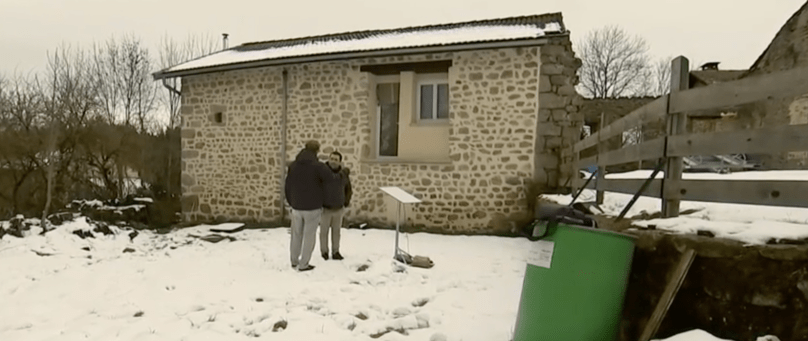
The TF1 20H news team led by Guillaume Bertrand, Stefan Iorgulescu and Guillaume Frixon first showed how the picturesque but remote village of Chomelix in France’s Haute-Loire department had been fighting with very poor internet for years. This small commune of around 480 inhabitants, including several hamlets classified as digital white zones, struggled daily with connections too weak for effective telework, children’s online education, or even routine administrative procedures.
Resident Romain dealt with these frustrations for nearly ten years. “Before, I was stuck at 8 megas,” he said. Mayor Roselyne Beyssac saw the real toll this was taking on families and local businesses trying to stay competitive.
Starlink’s Mobile Kits Deliver Instant Transformation
Starlink’s new mobile and portable satellite kits completely turned the situation around. These compact, backpack-friendly systems paired with flexible roaming plans now deliver fast, reliable internet almost anywhere in France’s rural areas.
The results have been outstanding. Romain’s download speeds jumped all the way to 346 Mbps. Video calls became seamless, streaming works perfectly, and online government services run without issues. Local hotels and other small businesses can finally manage bookings and communications reliably. The independent TF1 coverage beautifully documented how this technology has significantly reduced the sense of isolation in the area.
This kind of story is exactly why Starlink is the number one humanitarian service across the planet, it reaches people and places that traditional networks have long ignored.
The innovation keeps gaining global attention. Starlink is currently making headlines at the Mobile World Congress in Barcelona, where even a flower company called KDDI has put up a booth proudly saying they use Starlink, as first reported by SE Robinson on X.
STARLINK: SpaceX has taken over the Mobile World Congress (MWC) 2026 in Barcelona. They have announced their new Starlink Mobile, new European D2C partnerships, multiple partners are shouting out their alliances.
Elon Musk, thank you from the bottom of my heart. Your extraordinary vision and determination with Starlink are bringing genuine hope, opportunity, and modern connectivity to the most remote corners of the world. Rural France is just one of many places being transformed thanks to you.
Sources:
TF1 20H Reportage by Guillaume Bertrand, Stefan Iorgulescu and Guillaume Frixon, February 2025
TF1 Info – “J’étais à 8 mégas, j’en suis à 346”, 27 November 2025
For generations of French professionals, families, and students traveling from Paris or other mainland cities to the sunny shores of Guadeloupe, Martinique, or the distant beauty of Réunion, crossing the ocean has often meant many hours completely cut off from the world.
Emails went unanswered, parents couldn’t check on children back home, and important moments simply had to wait until wheels touched the ground.
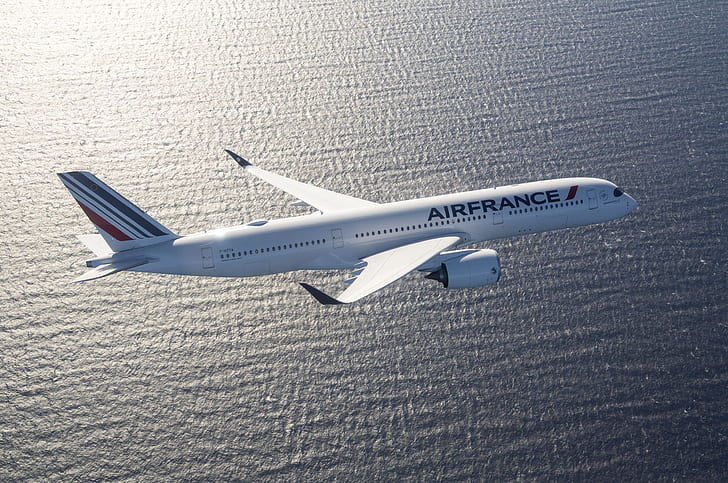
That era is coming to an end. Air France is steadily bringing free, high-speed internet to its planes. Roughly 30 percent of the fleet already offers this reliable service, with ambitious plans to equip every aircraft by the end of 2026. Flying Blue members can connect at no extra charge, whether traveling in economy or higher classes.
Those on equipped aircraft are noticing a meaningful shift. They stay productive with work, enjoy seamless entertainment, and remain close to family and colleagues throughout the journey. Clear evidence of the difference comes from United Airlines, where more than seven million passengers have experienced the service across 129,000 flights, leading to nearly doubled satisfaction scores for in-flight connectivity.
Around the world, more than 40 airlines have now chosen this same technology, marking a major step forward in aviation.
French travelers who rely on these long routes are gaining the most practical benefits: reclaimed work time, reduced worry about being unreachable, and journeys that feel far less isolating. Hours once lost in the sky are now filled with purpose and connection.
This transformation brings real hope for the future of travel. It’s a powerful reminder of what becomes possible when bold innovation meets human needs, thanks in large part to Elon Musk and the talented engineers at SpaceX, whose commitment to connecting people everywhere continues to make the world feel smaller and safer, even at 35,000 feet.
While Wall Street buzzes with talk of a possible 2026 SpaceX IPO that could value Elon Musk’s rocket and satellite empire at $1 trillion or more, the company’s most revolutionary product is already changing lives 550 kilometers below its orbiting constellation.
Starlink, the world’s first mass-market satellite internet service built and launched entirely by SpaceX’s own Falcon 9 rockets and operated by a private fleet of over 8,000 satellites, is proving once again why Elon’s vertically integrated vision is unmatched in modern industry.
In about four years since starting commercial service, SpaceX has gone from landing rockets on drone ships to delivering gigabit-speed, low-latency internet to the most unreachable corners of the planet, places where traditional telecom giants never bothered to lay a single cable.
Elon himself has always been blunt about Starlink’s mission: it was never meant to fight Comcast or Vodafone in downtown Manhattan or Milan. “Physics doesn’t allow us to win in dense cities,” he told Indian billionaire Nikhil Kamath this year, but out where nobody else can reach, Starlink is unbeatable!
And “unbeatable” is exactly the word now being used by farmers, offshore oil platforms, Antarctic research stations, and airline passengers who, for the first time in history, enjoy better internet at 40,000 feet or in the middle of the Amazon than many suburban neighborhoods did a decade ago.
The numbers speak for themselves: more than 8 million Starlink terminals shipped, service in over 150 countries, and a growth curve that would make any Silicon Valley unicorn blush — all funded by the same company that sends astronauts to the International Space Station and is building the largest rocket in human history.
With Starship flights ramping up and analysts projecting a potential SpaceX public offering as early as next year, the same reusable rocket techn that makes Starlink launches dirt-cheap is about to make Elon’s company one of the most valuable enterprises ever created.
But perhaps the purest example of what this all means in the real world is happening right now on a quiet hillside in southeastern Brazil.
Your Coffee
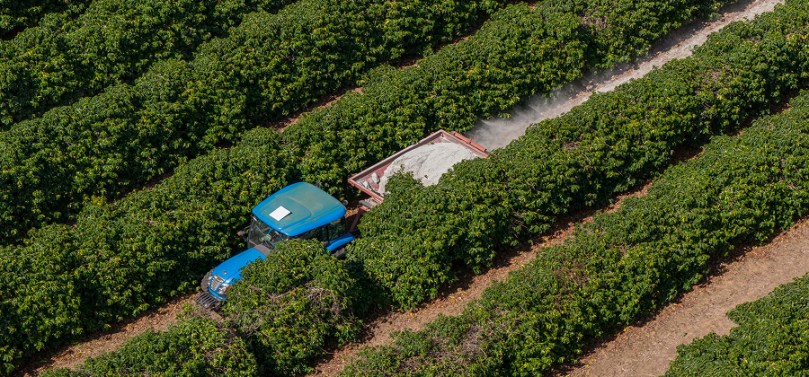
At Fazenda Luciana — a specialty-coffee estate in Santo Antônio da Alegria, São Paulo state, owner João Paulo Silva de Freitas used to lose entire days because a broken harvester in a distant field couldn’t be reported until someone physically drove back to the farmhouse office.
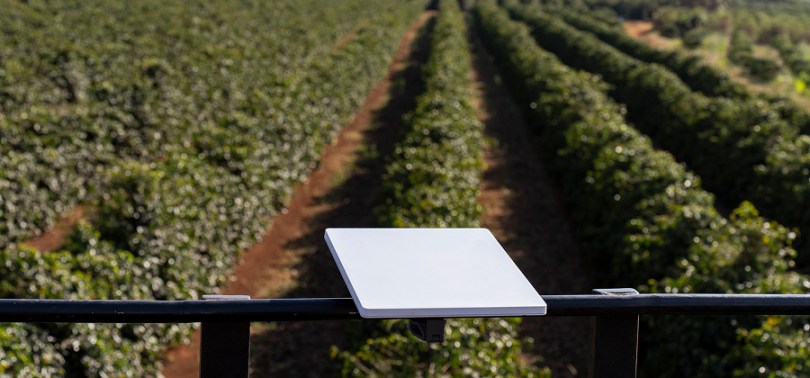
Today, multiple Starlink minis blanket the property. Real-time video calls, soil-sensor data, drone mapping, and remote gate control are now as normal as the morning mist rolling over the coffee trees.
The result? Higher yields, fewer accidents, dramatically better security, and most importantly for coffee lovers, beans that are harvested and processed at the absolute peak of ripeness.
Fazenda Luciana grows high-quality specialty Arabica coffee, and while specific scores for their lots aren’t publicly detailed in recent reviews, Brazilian estates like this often produce beans in the 85+ range on international scales, making them among the finest available.
From orbit to your cup… only Elon’s SpaceX could make that possible.
SpaceX’s Starlink Quietly Rewrites the Future of Global Farming — and Your Morning Coffee May Never Taste the Same
As a writer who follows the Starlink, solar and Powerwall community on X, I see the same pattern every winter: when the temperature drops and the snow starts falling, conventional internet and power fail, but Starlink stays online.
Here are the clearest examples from recent years.
February 2021 – Winter Storm Uri, Texas
A rare snowstorm brought temperatures below -10 °C to Texas. The electricity grid failed for 4.5 million homes and apartments. Official records show more than 200 people died, most from the cold. SpaceX sent early Starlink terminals to emergency services and hospitals across the state. Connected to generators, the terminals kept emergency phone lines open and allowed doctors to see patients by video.
I lived through Uri in Austin, Texas. Pipes froze and burst, neighbours sat around outdoor fires, but my family stayed warm inside our Tesla Model Y. I had charged it fully the day before the storm. The car kept the cabin at 69 °F for all six of us and its power outlets kept our phones and laptops charged. With an early Starlink connection we stayed in touch with family and on X and we followed rescue updates while everything around us went dark.
Winter 2022-2023 – Ukraine
Russian attacks on power stations combined with -25 °C temperatures left millions without electricity for hours or days. SpaceX delivered more than 20 000 Starlink terminals. Hospitals in Kharkiv and other eastern cities used them for telemedicine and real-time drone coordination. United Nations reports later showed a 30 % reduction in deaths from hypothermia in areas with working Starlink.
December 2023 – January 2024 – Minnesota and Wisconsin, USA
Blizzards left up to one metre of snow. Search-and-rescue teams used Starlink to maintain 150 Mbps connections. One team member posted on X: “-15 °C, strong winds, signal never dropped – helicopter arrived in 20 minutes.” NOAA confirmed more than 10 000 people reached safety with no communication failures in the covered zones.
Winter 2024 – Nunavut and Yukon Territories, Canada
More than 500 terminals reached remote northern communities. At -40 °C and with 1.2 metres of snow on the ground, service stayed active. Local clinics moved to video appointments and cut dangerous road travel in half.
December 2024 – January 2025 – Italian and Swiss Alps
Avalanche danger was high. Rescue organisations placed over 150 terminals in the mountains. Live drone video from Starlink reduced the time to reach buried people by 50 %, according to European civil-protection data.
December 2025 – ongoing – Colorado and Ontario
Current storms continue. Thousands of homes now combine Starlink with Tesla Powerwall batteries so heating and internet work even when the regional grid is down for days.
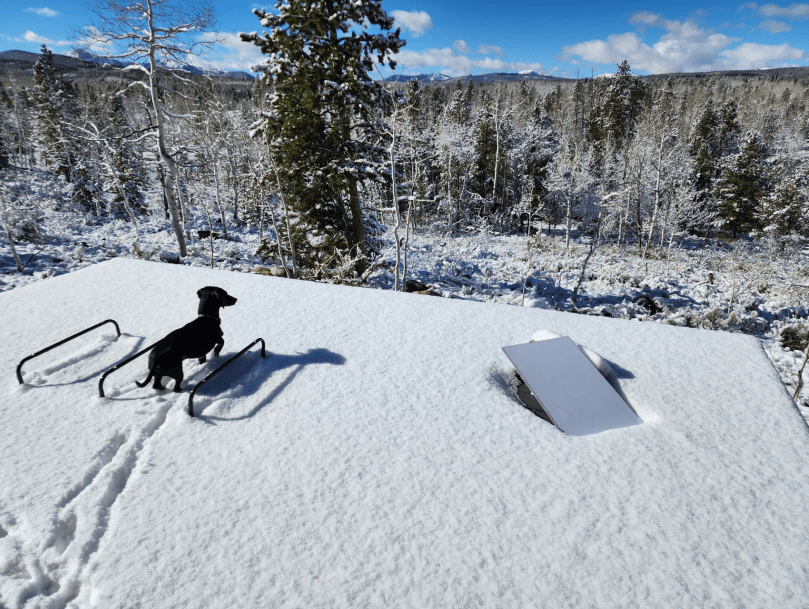
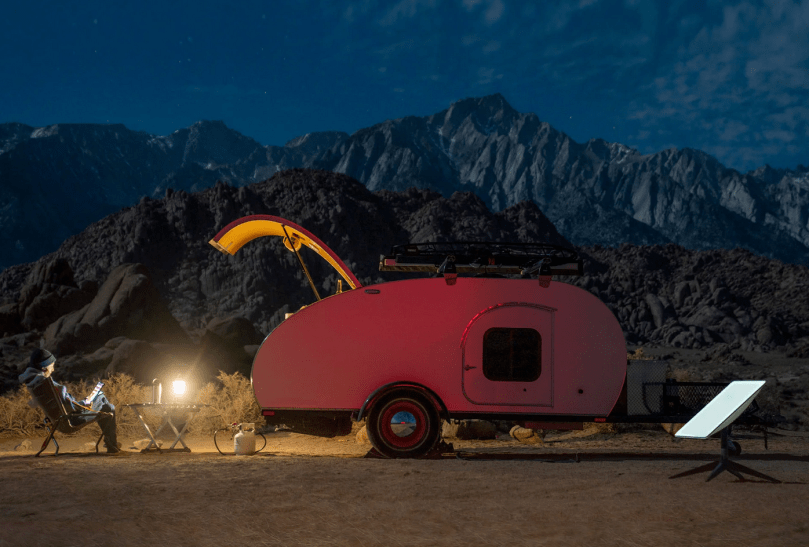
In every case, one self-heating satellite dish (see Jim Hall’s picture of the snow melted off his Starlink unit) was enough to keep contact when mobile towers and cables failed. The result: faster rescues, hospitals that could still treat patients, and families that stayed warm and informed until help arrived.
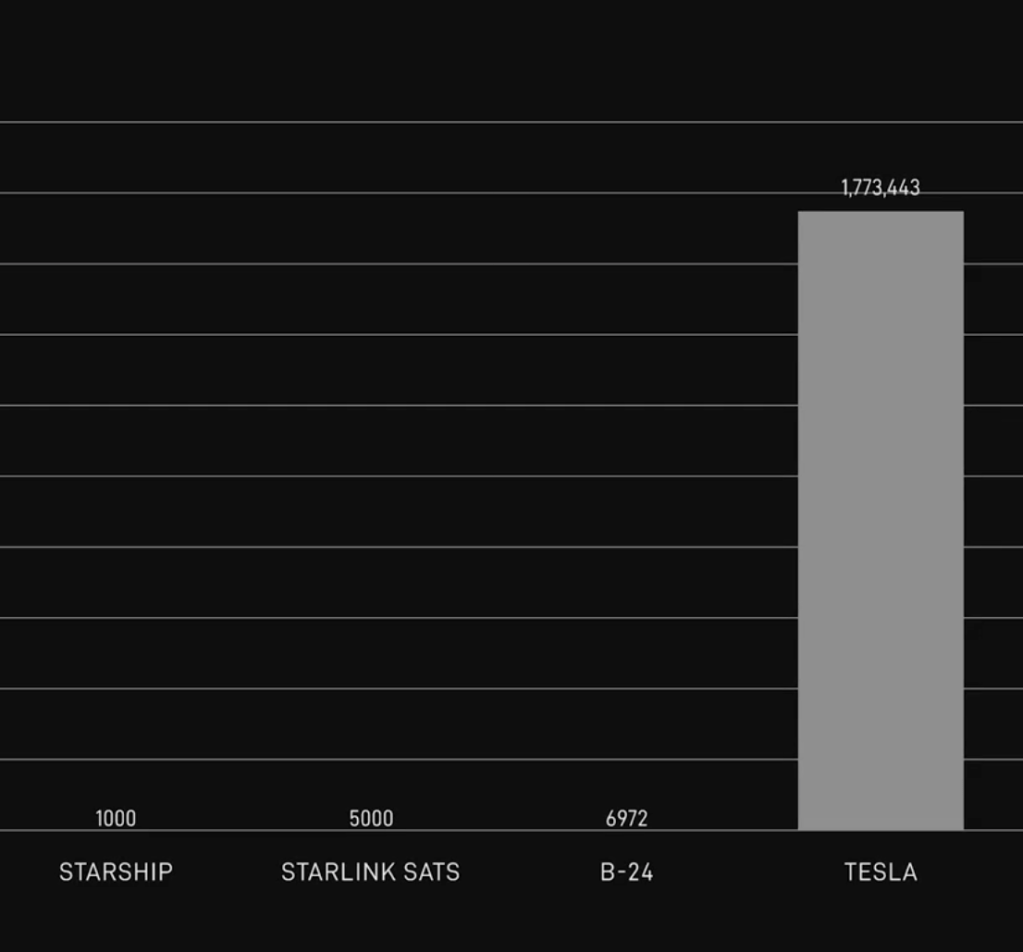
Elon Musk: When we look at our build comparison in vehicles per year, Boeing and Airbus make airplanes, but SpaceX will probably make as many Starships for Mars as Boeing and Airbus make commercial airplanes. This is an enormous scale, and each Starship is bigger than a 747 or an A380.
In terms of Starlink satellites, version three satellites, we’ll make on the order of 5,000 per year, and at some point, closer to 10,000 per year. Those Starlink V3 satellites are roughly the size of a 737 (unfurled). They compare to the B-24 bomber in World War II.
The scale of production is still small compared to Tesla.
Elon: Tesla will probably double or triple that volume in the future. It puts things into perspective that it’s possible to build a vast number of interplanetary Starships. Even when comparing tonnage, Tesla and other car companies produce far more complex manufactured tonnage than SpaceX, showing it’s achievable. These numbers, while insanely high by traditional space standards, are achievable because they’ve been achieved in other industries.
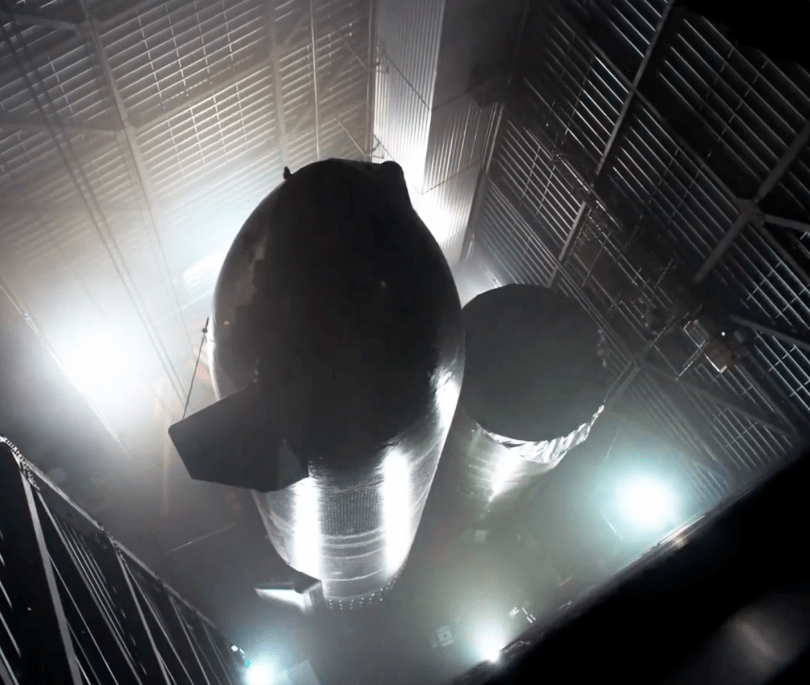
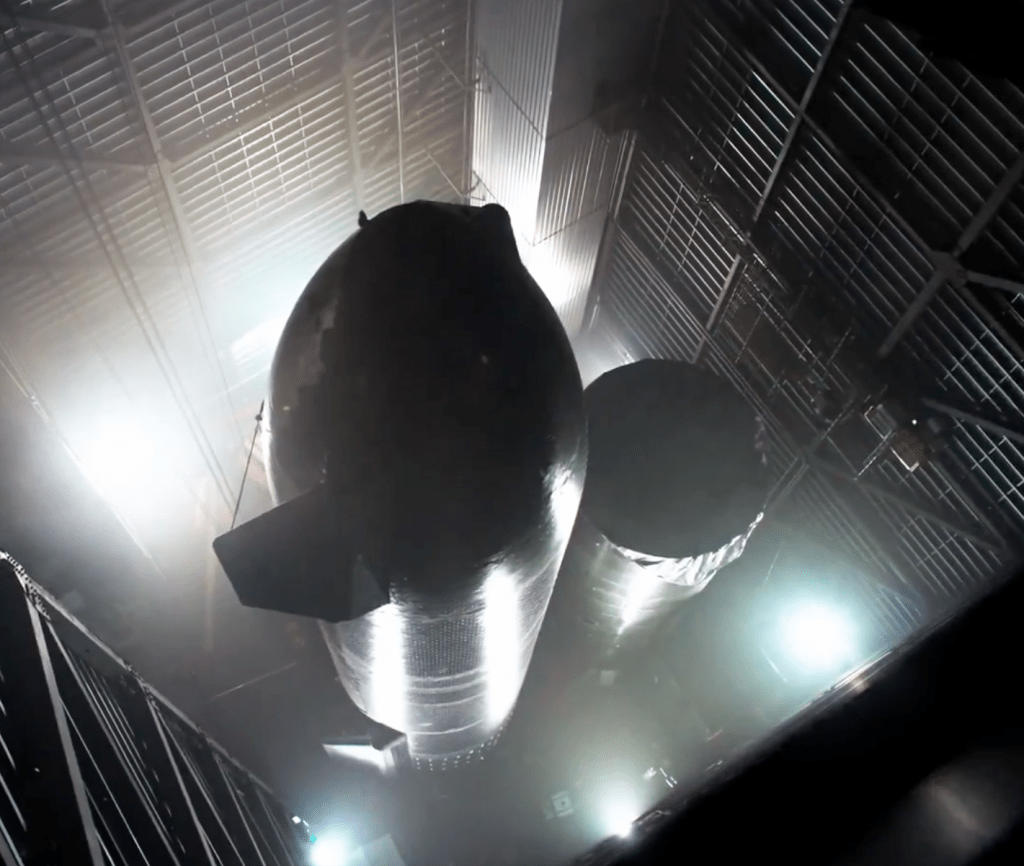
The inside of Starship’s cargo space is grandiose, like a futuristic cathedral. It’s science fiction becoming reality and it will get humanity to Mars!
While attending the first launch test of Starship out of Starbase, Texas last April, I realized how urgent the task of getting to orbit is for Elon Musk, the SpaceX team, and some former NASA employees I spoke to.
Elon talked at the International Astronautical Congress (IAC) Space Conference 2023 and shared insights about Starship. Here are the noteworthy highlights:
Rapid Refueling and Reusability: The Cornerstone of Starship
Elon emphasized that the grandiosity of Starship’s cargo area is not just for show. Rather, it’s a testament to the spacecraft’s revolutionary design focused on full and rapid reusability. Musk explained that Starship’s enormous size is driven by its ambitious goal: to establish a permanent base on the Moon and even create a city on Mars. This commitment to reusability sets a new standard for space exploration.
When Elon was asked to give the audience a sense of the size of the cargo-carrying portion of Starship, he said “When you step into the Starship fairing or payload volume, it looks like a cathedral! It looks absurd, frankly. It’s like – this is ridiculously gigantic! That was my first impression when I first went up there in a man lift and climbed through the little hole for the Starship initial rough prototype, I was like… What have we done?? This thing is ridiculously big! -laughter- this actually can be great for Science, though.”
A Revolutionary Approach to Booster Recovery
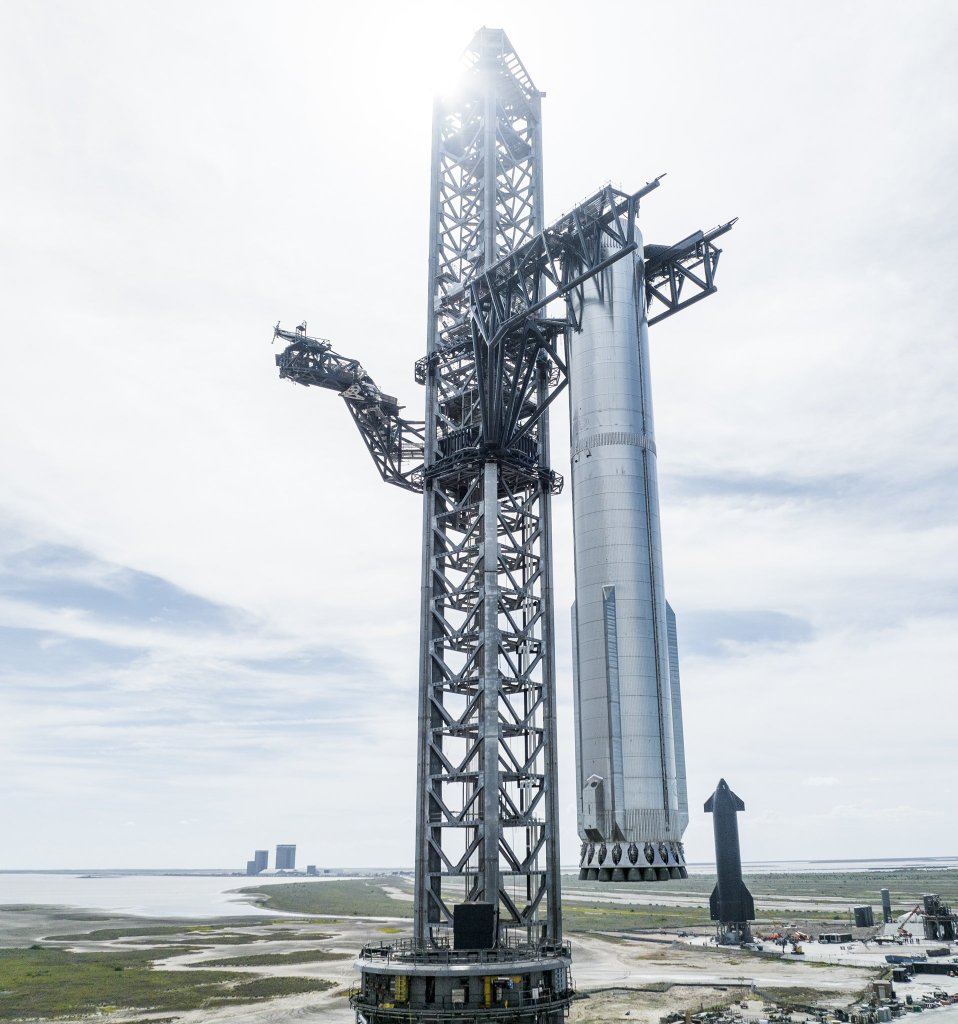
Elon explains the importance of what many have come to call, mechazilla, “We have a giant custom-designed tower with massive mechanical arms, that will literally try to catch the booster and catch the ship, which, sounds insane, I mean I have not seen a science fiction movie that has done this. But, in theory, it should work.”
One of the most unconventional aspects of SpaceX’s plan for Starship is the use of mechazilla to catch both the booster and the ship after launch. Musk admitted that this approach might sound like something out of science fiction, but it holds the promise of revolutionizing rocket recovery and reuse. With the right licenses and permissions from the FAA, SpaceX aims to achieve the milestone of recovering the booster using the tower’s arms within a year, potentially before 2025.
Elon explained to the audience at the IAC Space Conference, “With Starship, actually, more profound than the size, is the fact that it is designed to be fully and rapidly reusable. The reason for the absurd size is that we are trying to build something that is capable of creating a permanent base on the moon and a city on Mars. That’s why it’s so large. Otherwise, we could make it much smaller.”
Revealing more details, Elon explained, “In terms of catching it, for the ship‘s side, we actually want to make sure that it comes in fully intact, and lands at a precise location. before we try to catch it at the launch site because we. are taking every precaution we can so that we do not risk any human lives. or have destruction of property. So, when you see the ship able to have a precise-looking landing on the water, that’s when we will try to catch the ship with the tower.”
Starbase, Texas: The Epicenter of Launch Operations
Elon Musk reinforced the significance of Starbase, Texas, as the primary launch and booster return location. It’s here where the first launches and booster recoveries will occur, solidifying Starbase’s role in SpaceX’s ambitious plans for space exploration.
Regarding the upcoming second launch test, Elon explained “There’s a ton of new technology in this rocket,” he also elaborated on the biggest risk, “The ship is designed to re-enter and has a heat shield. We think it’ll work, but we aren’t sure it’ll work. So if it doesn’t work, we want it to not work over the Pacific, which is quite a large body of water with almost no people on it.” The plan is to have Starship splash down somewhere near to Hawaii.
Unprecedented Efficiency in Propellant Usage
SpaceX’s commitment to efficiency was highlighted by Musk when he stated that the Starship booster would return to the launch site in an astounding 4 to 5 minutes. This represents a major leap forward in propellant usage and marks a substantial step toward sustainable space travel.
Starlink Satellite Deployment: Revolutionizing Internet Connectivity
SpaceX’s Starlink project, aimed at global internet connectivity, could see the deployment of Starlink version three satellites as early as 2024. Satellite deployment could happen before SpaceX solves reentry and landing challenges. Satellites can be deployed without directly addressing those challenges, as they don’t reenter Earth’s atmosphere after being placed in orbit.
Collaboration for Space Science
Musk unveiled a collaboration with UC Berkeley on a Space Telescope boasting an enormous lens, which could significantly enhance space science capabilities. This venture promises to unlock new discoveries and insights about our galaxy. Elon said,“So, one of the exciting projects that we are working with is with Berkeley on a Space Telescope that has an enormous lens, past 7 or 8 meters in diameter. The lens was meant for a ground-based satellite but you can then take that same satellite and put it in orbit, its capabilities are greatly enhanced because you don’t have the obfuscation of the atmosphere. So that’s why the Hubble, which is actually a fairly small telescope, can do better than any historical ground satellite, especially individual spectrum, so we’re very excited about what we can do for Space Science.”
Starship: A Versatile Transport System
Elon Musk described Starship as a generalized transport system capable of taking humanity anywhere within the solar system. It’s not limited to just lunar or Martian missions; instead, it’s a gateway to exploring the entire cosmos.
Elon Musk’s talk at the IAC Space Conference was interesting and I will link to it below this article so you may listen to it in it’s entirety. SpaceX, an American company, is at the forefront of space exploration, pushing the boundaries of what is achievable and setting the stage for an exciting future where humans will become multiplantary!
Starlink can reach more people because their satellites can be space laser enabled. This means they use ISLs (Optical Intersatellite Links). These laser links allow communication to the most remote communities on Earth without local ground stations. This opens doors for people. Some have said this may lead to the discovery of future talents similar to Elon Musk.
In all cases, data speeds are remarkable and in this article, I will share 4 examples of how Starlink’s phenomenal work is helping and healing communities.
ɪᴍᴀɢᴇ ᴄᴏᴜʀᴛᴇꜱʏ ꜱᴛᴀʀʟɪɴᴋ, ɪɴᴄ.
RURAL MEXICO
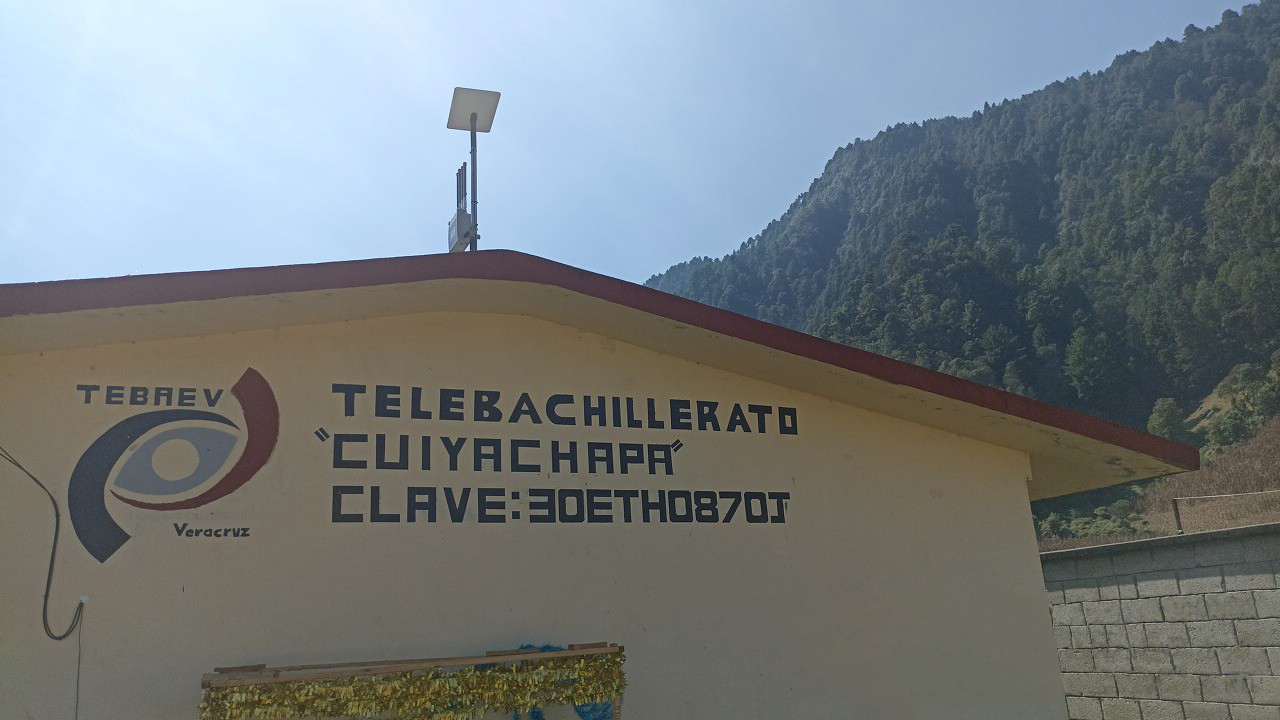
In Mexico, half of the rural population did not have internet access in 2022. Starlink is helping connect 3,300 of these communities as part of “Internet para Todos.” This translates as “Internet for All,” and means that kids growing up today in these regions will live a live very different from their elders. Opening doors to education is a big part of what Starlink makes possible.
In Honduras, students at “Rubén Martínez Rodas” school in Montaña de la Flor will have free Starlink so they can access education better. Hondutel is a nonprofit set up to install Starlink at this remote location.
Fifty schools across Rwanda in Africa are connected with Starlink’s high-speed internet serving hundreds of young students. Likewise, across Mozambique, Starlink is supporting educational opportunities in rural regions.
Students in the most remote schools in the Amazon forest can access the internet in a project with Polaris Space Program and Instituto Escola Conectada.
In remote Marbial in Haiti (population 2,500 people), Starlink is connecting students and teachers at schools, after-school centers, and health clinics. It is Marbial’s first time having any internet connection.
FARMERS
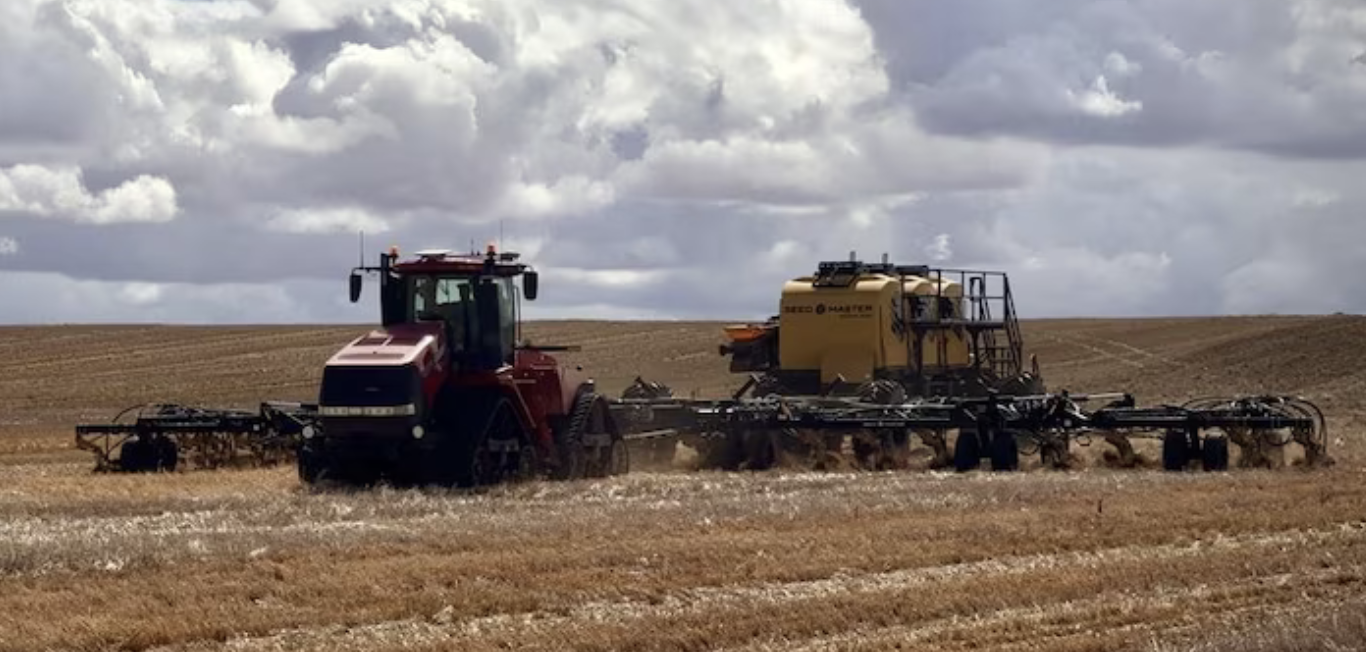
In Australia, some farmers use Starlink Roam for in-motion use to access technology for grain sowing. One creative farmer in NW Victoria straps Starlink satellite internet kits to his tractors while sowing and working their way around the 18,000-hectare farmland putting in the next years grain crop, essentially providing a Wi-Fi bubble around farm machinery.
In June 2023, Alaskans living in rural Utqiaġvik, Point Hope, Wainwright, Kotzebue, and Nome, were suddenly without internet or cellular connectivity. Their fiber cable snapped due to a severe ice scouring event under the Arctic Ocean. The amazing Starlink team has been coordinating with the State of Alaska, various local governments & Native communities to help provide connectivity.
Starlink, in the words of Elon Musk, provides “great connectivity to those who had little or nothing before. As soon as you can access the internet, you can learn about almost anything, so its absolutely essential for education. Khan Academy being a great example.”
Starlink fills in the gaps between 5G and fiber and it reaches the parts of Earth that are the hardest to reach. Starlink is a force for good in a world that is hungry for knowledge and yearning to reach for the stars!
If you liked this article, follow author Gail Alfar on X at x.com/GailAlfarATX


 whatsuptesla.com