Tesla Master Plan Part 4: A Simple Path to Sustainable Abundance

In September 2025, Tesla released Master Plan Part 4 as a short, hopeful document (available at tesla.com and as PDF). It updates Tesla’s mission from “sustainable energy” to “accelerating the world’s transition to sustainable abundance.” The plan rests on five clear guiding principles, quoted directly from the official PDF:

  1. “Growth is infinite” – progress does not require trade-offs.
  2. “Innovation removes constraints” – every big leap in history broke a supposed limit.
  3. “Technology solves tangible problems” – in energy (solar + batteries + AI), mobility (autonomous EVs), and labor (Optimus robots).
  4. “Autonomy benefits all humanity” – safety and universal access come first.
  5. “Greater access drives greater growth” – the cheaper and wider the technology spreads, the better life gets for everyone.

The heart of the plan is simple: combine Tesla’s cars, solar roofs, batteries, self-driving software, and Optimus humanoid robots so that energy, transport, and work become effectively unlimited and almost free. When boring or dangerous jobs are done by friendly robots and cars drive themselves safely, people are freed to create, learn, and enjoy life.Elon Musk has said the same in his own words:

  • “The ultimate master plan of Tesla is to create sustainable abundance for all.” (X, March 21, 2025)
  • “There will be universal high income… Sustainable abundance.” (X, August 24, 2025)
  • “Working on the Tesla Master Plan 4. It will be epic.” (X, June 17, 2024)

The super short document ends gently: “The tools we are going to develop will help us build the kind of world that we’ve always dreamed of — a world of sustainable abundance.” That is the whole plan: five principles, three real-world solutions, and one kind promise — abundance for everyone, built step by step with Tesla’s products.

Read Tesla’s 7 page PDF of Master Plan Four

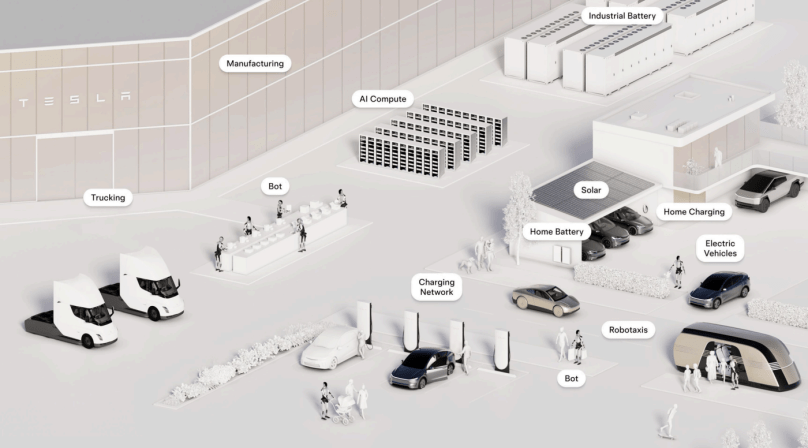
Summary in pictures from Tesla.
Master Plan Part IV: Tesla is accelerating the world’s transition to sustainable abundance.

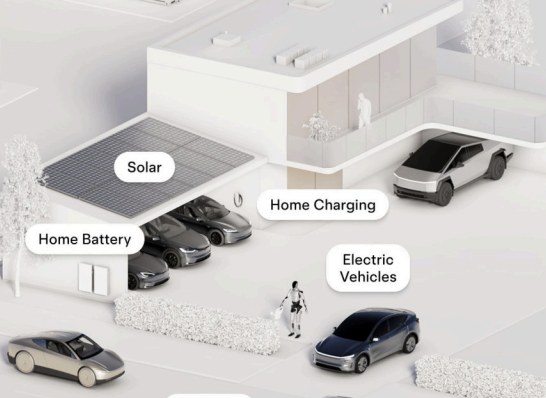
Tesla’s image depicts a shared home with a solar roof, home powerwalls, electric cars and a helpful bot watering plants.
Master Plan Part IV: Tesla is accelerating the world’s transition to sustainable abundance.

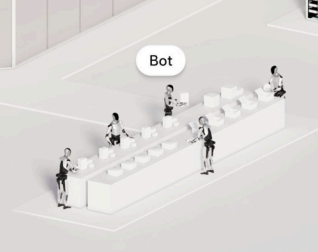
Tesla’s image depicts Optimus bots working. The setting could be industrial or food service or other.
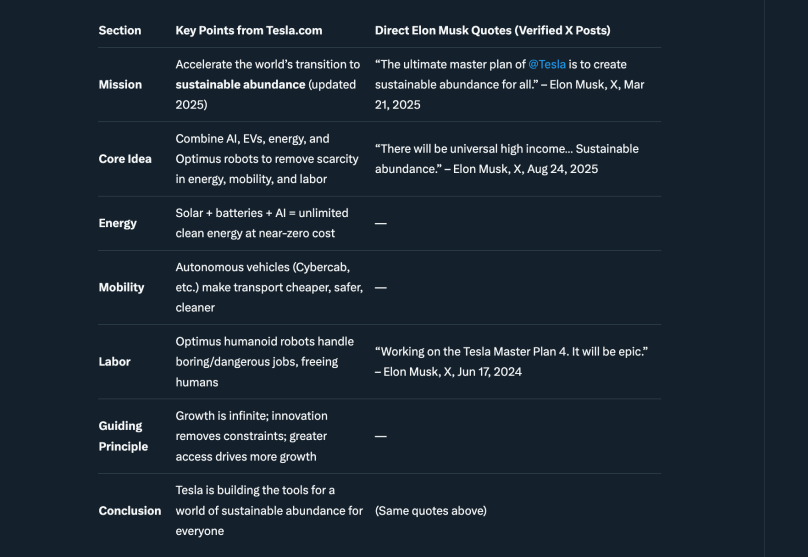
This table summarizes Master Plan Part 4 factually from Tesla’s official website. All details and quotes are verified against the page content and Musk’s X posts.

Master Plan Part IV: Tesla is accelerating the world’s transition to sustainable abundance.

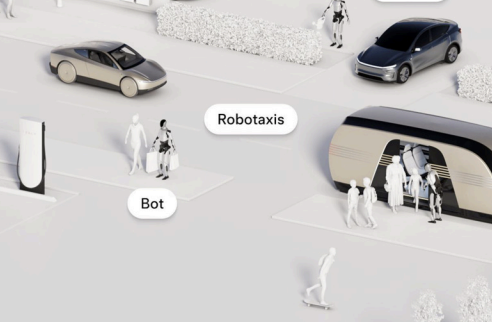
Tesla’s image depicts Bots helping with shopping bags, and helping people exit a transport van.
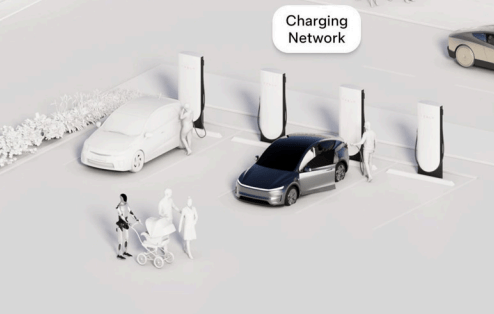
Tesla’s image depicts Supercharging, with electric cars other than Teslas, and it also shows a Bot helping a family by pushing a stroller.
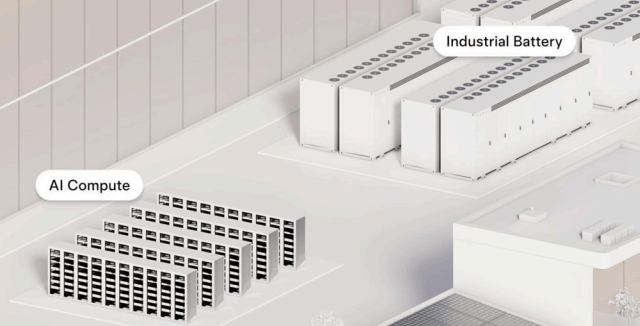
Tesla’s image depicts industrial batteries and AI Compute
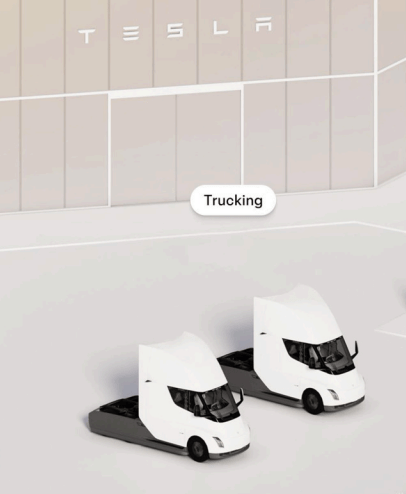
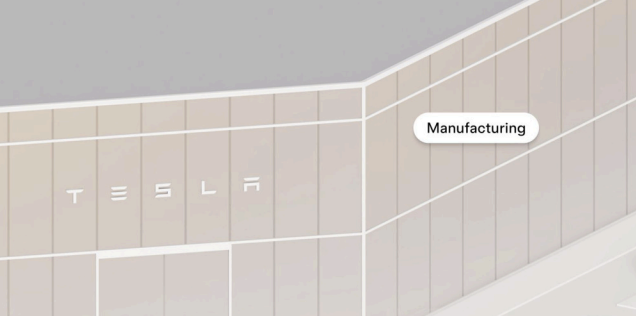
Tesla’s image depicts Semi and manufacturing at scale.
The Day Poverty Dies (and Why I’m Weirdly Emotional About It)

“Optimus will eliminate poverty and provide universal high income for all.” Elon Musk

Austin, Texas – I’ve listened to Elon Musk talk about the future more times than I can count, but something hit different in the last couple of weeks.

First on November 19 in Washington DC with Jensen Huang, then again on November 30 with Nikhil Kamath, he kept circling back to the same quiet, almost casual prediction: once we have truly useful humanoid robots, material poverty simply ceases to exist. Not “gets better.” Not “shrinks.” It ends.

He told Jensen that the moment these bots cost less than a decent used car and can do any physical job faster and better than any human, and every household will likely own several. The math is brutal and beautiful: one $20–30k Optimus, working 24 hours a day for decades, will create orders of magnitude more value than it costs. It is easy to understand how goods and services will collapse toward the price of electricity and raw materials.

And then he said the line that made me tear up thinking of my friend with her garden greenhouse:

“People will still grow vegetables… but only because they enjoy it.” Elon Musk

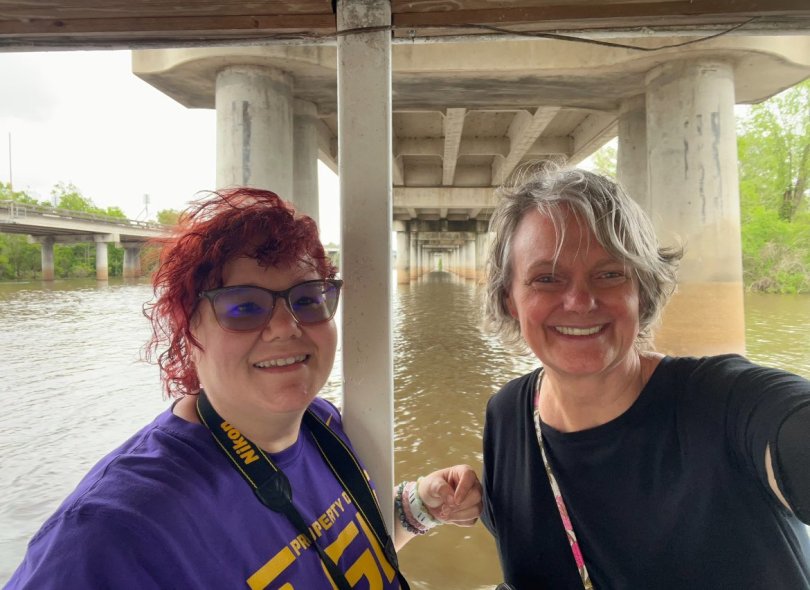
Instantly I thought of my friend Johnna Crider in Louisiana. She already spends half her weekends elbow-deep in raised beds, in her greenhouse, harvesting peppers and tomatoes not because she has to, but because the smell of the soil and the taste of a home grown and ground spice mix in her mouth is pure joy. One day soon, that choice will be universal. No one will ever again plant a garden out of necessity.

Same with me standing at the sink after a rough day, my favorite cotton lined gloves up to my elbows, washing dishes in lemon scented bubbly water while enjoying my fav podcast. I do it to unwind, to feel something simple and physical. Elon says that will become optional too. So will me grinding beans from my favorite little Austin roaster every morning just because the smell makes the whole house feel like home.

Work itself? Optional. Money as we know it? Eventually meaningless.

He told Nikhil that Optimus may start shipping to homes in real numbers in 10-15 years. When that happens, he said softly, “poverty simply won’t be able to survive in that world.”

I believe Elon.

For the first time in human history, we’re not talking about lifting people out of poverty. We’re talking about a world so abundant that poverty can’t even take root.

And honestly? I’m going to miss the excuse to wear my deluxe gloves and grind my own Texas coffee at 6 a.m. But I’ll take the trade. Maybe we will choose to spend more time on our gardens and serving up our own coffee for our family and friends.

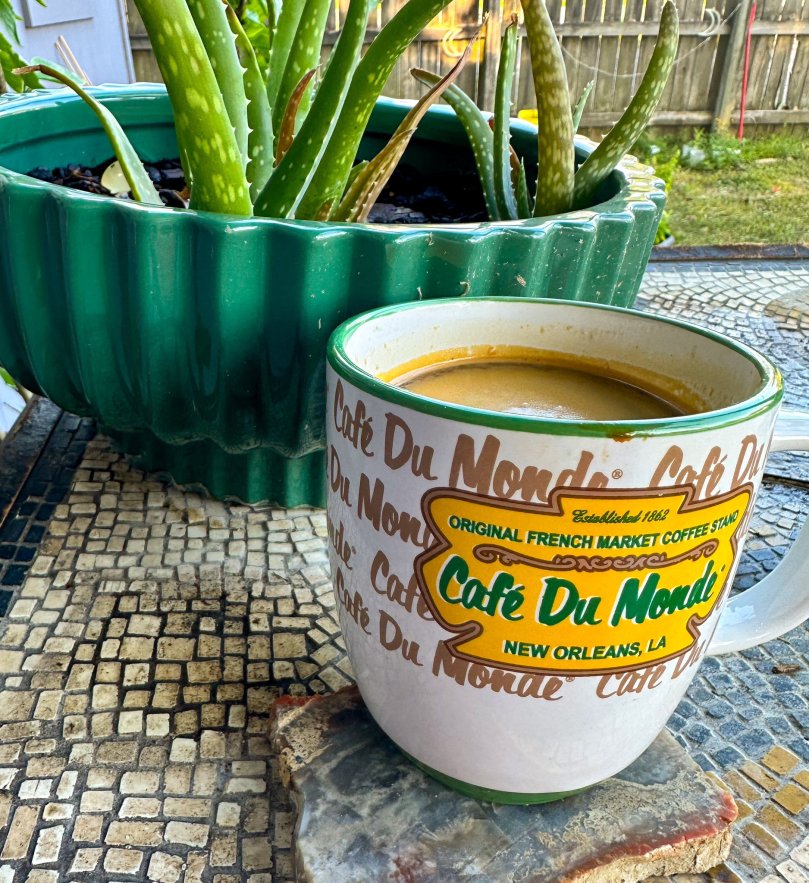
Johnna’s aloe vera garden and coffee brewed by hand.