
While Wall Street buzzes with talk of a possible 2026 SpaceX IPO that could value Elon Musk’s rocket and satellite empire at $1 trillion or more, the company’s most revolutionary product is already changing lives 550 kilometers below its orbiting constellation.
Starlink, the world’s first mass-market satellite internet service built and launched entirely by SpaceX’s own Falcon 9 rockets and operated by a private fleet of over 8,000 satellites, is proving once again why Elon’s vertically integrated vision is unmatched in modern industry.
In about four years since starting commercial service, SpaceX has gone from landing rockets on drone ships to delivering gigabit-speed, low-latency internet to the most unreachable corners of the planet, places where traditional telecom giants never bothered to lay a single cable.
Elon himself has always been blunt about Starlink’s mission: it was never meant to fight Comcast or Vodafone in downtown Manhattan or Milan. “Physics doesn’t allow us to win in dense cities,” he told Indian billionaire Nikhil Kamath this year, but out where nobody else can reach, Starlink is unbeatable!
And “unbeatable” is exactly the word now being used by farmers, offshore oil platforms, Antarctic research stations, and airline passengers who, for the first time in history, enjoy better internet at 40,000 feet or in the middle of the Amazon than many suburban neighborhoods did a decade ago.
The numbers speak for themselves: more than 8 million Starlink terminals shipped, service in over 150 countries, and a growth curve that would make any Silicon Valley unicorn blush — all funded by the same company that sends astronauts to the International Space Station and is building the largest rocket in human history.
With Starship flights ramping up and analysts projecting a potential SpaceX public offering as early as next year, the same reusable rocket techn that makes Starlink launches dirt-cheap is about to make Elon’s company one of the most valuable enterprises ever created.
But perhaps the purest example of what this all means in the real world is happening right now on a quiet hillside in southeastern Brazil.
Your Coffee
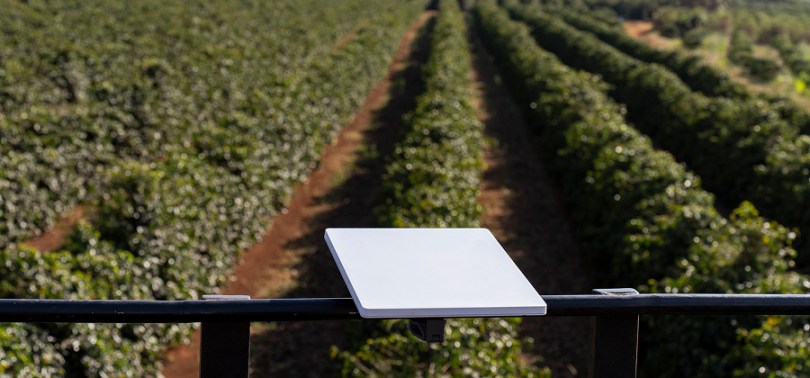
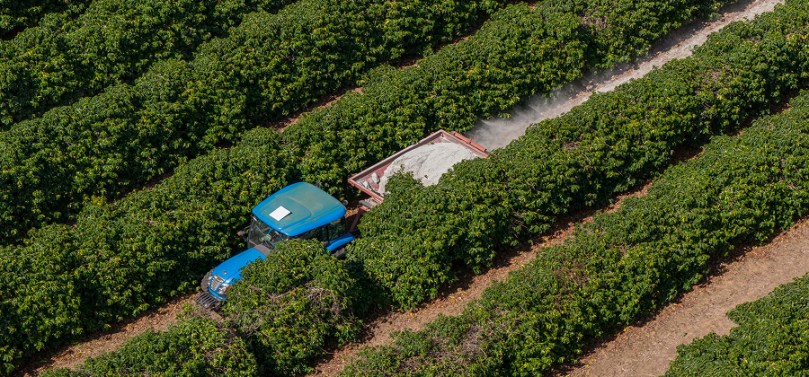
At Fazenda Luciana — a specialty-coffee estate in Santo Antônio da Alegria, São Paulo state, owner João Paulo Silva de Freitas used to lose entire days because a broken harvester in a distant field couldn’t be reported until someone physically drove back to the farmhouse office.
Today, multiple Starlink minis blanket the property. Real-time video calls, soil-sensor data, drone mapping, and remote gate control are now as normal as the morning mist rolling over the coffee trees.
The result? Higher yields, fewer accidents, dramatically better security, and most importantly for coffee lovers, beans that are harvested and processed at the absolute peak of ripeness.
Fazenda Luciana grows high-quality specialty Arabica coffee, and while specific scores for their lots aren’t publicly detailed in recent reviews, Brazilian estates like this often produce beans in the 85+ range on international scales, making them among the finest available.
From orbit to your cup… only Elon’s SpaceX could make that possible.

 whatsuptesla.com