
Low-Earth orbit is a crazy-busy highway with thousands of satellites moving at insane speeds. One wrong move, and debris could snowball into Kessler syndrome, wrecking orbits for years.
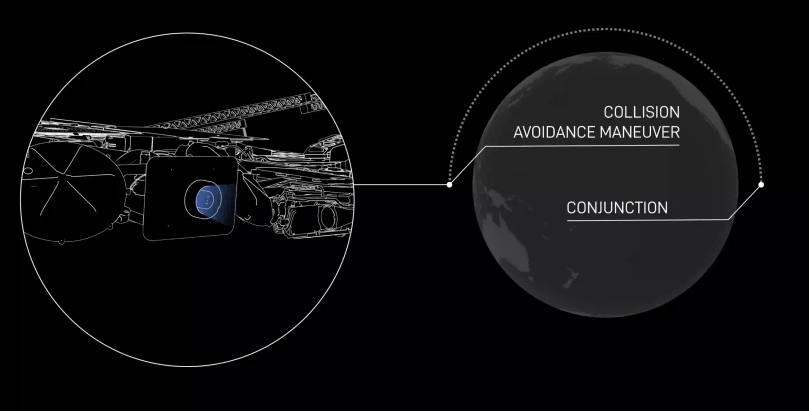
Enter Stargaze, SpaceX’s smart fix announced in late January 2026. They repurposed the tiny star-tracking cameras on 10,116 active Starlink satellites right now (that’s roughly 30,000 sensors total, and yes, they just crossed the 10,000 mark a few days ago) to spot nearby objects.
Result? About 30 million observations every single day. This is way more frequent than ground radars that only check sporadically and take hours to warn about risks.
Stargaze crunches the data in near real-time, spots sneaky maneuvers fast, and spits out collision alerts (Conjunction Data Messages) in minutes instead of hours. Starlink has already dodged hundreds of thousands of potential crashes autonomously; this makes everything way easier and safer.
The killer part: it’s completely free for any satellite operator worldwide. No fees, no paywall. Closed beta started right after the reveal; wider access rolled out this spring, meaning right now in March 2026.
SpaceX isn’t charging because safer orbits benefit everyone (including their own fleet). It’s like one company volunteering to be the air-traffic controller for low Earth orbit and saying, “Come join in and share your flight plans too.”
Official source to share with friends: Stargaze on Starlink.com
 whatsuptesla.com