Your Tesla Battery is Guaranteed. It is built to serve your needs. Whether you have 2170, 4680, or LFP batteries in your Tesla, it comes with a warranty. Here are the details, taken today from the Tesla website.
These warranties cover the repair or replacement necessary to correct defects in the materials or workmanship of any parts manufactured or supplied by Tesla, which occur under normal use.
FACT: The existing warranty on any Tesla is transferred to the new owner if you purchase the vehicle from Tesla.
Tesla says in the 2021 Impact Report,
“Our batteries are designed to function for the entire life of the vehicle. Tesla’s battery packs are designed to outlast the vehicle.
We estimate that a vehicle gets scrapped after approximately 200,000 miles of usage in the U.S. and roughly 150,000 miles in Europe.
Creating a battery that could last for 1,000,000 miles (4,000 charging cycles) would dramatically reduce the emissions per mile driven for high-mileage vehicles such as taxis, delivery vans, or trucks.”
Range varies on Tesla vehicles for many reasons. For example, if your Model Y was bought with a range of ~318 miles on the battery. You should expect your vehicle will retain a range of over 222 miles by the time you reach 120,000 miles. In the rare case that your Y does not then know that Tesla will replace the battery for free. Tesla may also decide to replace your battery if it has a defect or problem like the inability to charge.
The Average EV Will Never Need A Battery Replacement
It is a myth to assume that the average EV needs a battery replacement at some point in its life, according to Tesla,
“Extending the life of a battery pack is a superior option to recycling for both environmental and business reasons. For those reasons, before decommissioning a consumer battery pack and sending it for recycling, Tesla does everything it can to extend the useful life of each battery pack.
Any battery that is no longer meeting a customer’s needs can be serviced by Tesla at one of our service centers around the world.
None of our scrapped lithium-ion batteries go to landfill, and 100% are recycled.”
Tesla Batteries Are Recycled
Tesla says in their 2021 Impact Report,
“Every battery used in R&D or returned from the field that cannot be remanufactured is recycled. Tesla batteries, including the battery packs in our vehicles and our energy storage products, are made to last many years, and therefore, we have received a limited number of them back from the field. Most batteries that Tesla recycles today are pre-consumer, coming to us through R&D and quality control. None of our scrapped lithium-ion batteries go to landfills and 100% are recycled.”
Image Courtesy Tesla, Inc.
My Thoughts about Different Batteries
Which battery is better in a Tesla? 2170, 4680, or LFP? My opinion is that it is an advantage to be able to charge to 100% daily and the LFP battery is the only one that can do this safely. However, if you live where you cannot plug in at night and slow charge till the morning, LFPs are not much of an advantage to you. LFPs are also denser, and heavier, leading to slightly less range their weight means that your vehicle’s tires may need changing sooner. On the flip side, the 2170 batteries also have my heart. Both my Tesla vehicles have 2170s and I am satisfied with their reliable performance. Then we have the revolutionary new 4690 batteries which delightfully form the structural pack for most of the best-selling Model Y vehicles. These are known to be more efficient than the 2170’s so they are an advantage as well. As you can see, all Tesla vehicle batteries are great and in the end, you won’t notice which batteries you are using, but you will notice the safety, speed, comfort, and precision of your Tesla. This matters more than the battery beneath your seats.
Enjoy your Tesla, Do Not Worry
I am very happy with my two Tesla vehicles, a 2022 Model Y and a 2020 Model 3 Rear-Wheel Drive that was bought with a range of 250 miles on the battery. My Model 3 battery currently retains 86% of its original range of 216 miles. I expect my Model 3 will retain a range of over 175 miles by the time I reach 100,000 miles.
I was in part inspired to write this article by Sofiaan Fraval who had his Model 3’s battery replaced under Tesla’s warranty, “Although it’s not new info, it’s often forgotten about or overlooked over time. I just got a pack replacement for my 3 under warranty and cost me $0. It actually bumped my range up by 11 miles and the car charges quicker. Super happy about it.” Sofiaan advises, “Tesla owners needn’t worry about battery packs, and should fully enjoy their Teslas!”
Tesla is doing a lot of good in this world, much of which was shared in the Tesla Q2 2023 Update on July 19, 2023. I hope you enjoy this article, and that it leaves you with optimism & hope for the future!
(Austin, Texas) On Investor Day 2023, Elon Musk and the Tesla team explained how a global sustainable economy is within reach through these six actions:
1. Repower the Existing Grid with Renewables
2. Switch to Electric Vehicles
3. Switch to Heat Pumps in Residential, Business & Industry
4. Electrify High Temperature Heat Delivery and Hydrogen Production
5. Sustainably Fuel Planes & Boats
6. Manufacture the Sustainable Energy Economy
I’m confident that many companies around the world are making progress towards these actions and I believe Tesla is showing and leading the way!
REPOWER THE EXISTING GRID WITH RENEWABLES
Success is imminent in this arena. Thus far, ½ million Tesla Powerwalls have been installed on homes by customers. I personally installed 3 Powerwalls recently and am excited to be a part of what will make Texas become a strong force in the energy economy. I believe that being solid in energy, or defying the odds in these times of climate extremes, means Texas can lead. Last year, I spoke to the ERCOT board of directors in Texas, urging the leadership to do everything they can to promote Virtual Power Plants (VPPs) in Texas. I watched the Tesla Energy team spend years getting to the point where they are now in Texas. Tesla Electric started in Texas and will one day reach to all states.
VPP regulatory challenges are hard, as mentioned during the Tesla Q2 2023 Update, and that cannot and does not stop Tesla Energy from meeting the challenges. The best case for VPPs is they are much cheaper and much faster to respond to grid weakness than traditional fossil fuel peakers.
ENERGY AND SERVICES & OTHER BUSINESSES
Tesla has deployed 3653 MWh of energy storage Megapacks. This is an incredible 222% increase over last year, where 113 MWh were deployed. This is a testament to the incredible work of the Megapack manufacturing plant in Lathrop, California.
The current Tesla Electric pilot program for charging for Model 3 owners will expand to all Tesla owners in Texas later this year.
SWITCH TO ELECTRIC VEHICLES
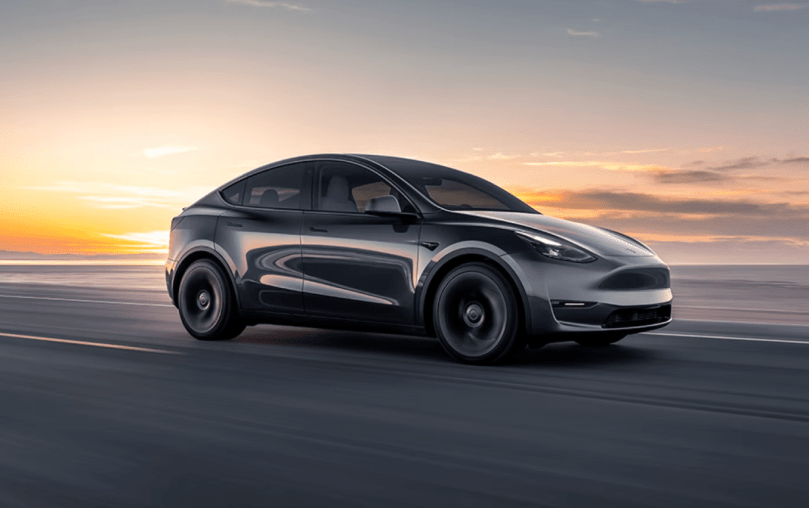
Image Model Y credit Tesla, Inc.
When looking at the current business, Tesla’s number one priority is investment, and that includes investment AI and capacity expansion. The second top priority is to maximize volume in a way that can support expansion.
Has volume been expanding? Yes, Elon Musk thanked Tesla owners for making the Model Y become a best-seller over cars like the Toyota Corolla. This is important, given Tesla is just getting started with production at scale because Tesla will maximize volume in a way that can support even more expansion. Tesla had the best-ever vehicle production and deliveries in a single quarter, with a total of 466,140 deliveries, and they are just getting started!
— Remember, in Q2-2022 (just 12 months ago), there were a total of 254,695 vehicle deliveries.
To accelerate the switch to EVs, Tesla makes Full-Self driving (FSD) software and hardware available to other OEMs. It is now known that Tesla is in serious talks with another OEM to license their FSD software and hardware. This is exciting news as it means it will make that other carmaker an alluring competitor to other traditional gasoline cars.
SUPERCHARGING AND THE NACS
As you may know, Supercharging in the Tesla Network is a seamless experience. The Tesla Charging standard – or the “NACS” is part of Tesla’s way to help accelerate the EV revolution. Many other automakers have already announced they will adopt the NACS so that their EVs can supercharge in the Tesla Network. This includes Ford, Mercedes, Rivian, Volva, Polestar, and Nissan! You’ll see a level playing field, meaning all EVs will be welcomed.
Q3 is an important time for doing some critical upgrades to all of Tesla’s gigafactories. These upgrades will mean that production rates will improve dramatically.
Elon explained the real-time pulse updates he gets. He said there are challenges in increasing interest rates, making it important to therefore decrease the price of the car to make up for increased interest rates.
ROBOTAXI
Elon Musk carefully explained that “Every car may be worth 5X as much as today due to autonomy.” He compared Robotaxi to Airbnb and discussed a step-change in history.
Elon Musk on vehicle order intake: “Demand has roughly tracked production, which is what we aim for; we have real-time demand and real-time production data.”
Lars Moravy of Vehicle Engineering said there’s a misconception about giga castings, which are in Model 3 and Y. Giga casting is 3X faster and much cheaper. Collision repair is in a closed (in-house) loop so when collisions occur, inserts can be replaced in the castings and this is done often and easily.
Elon commented that the referral program is and will continue to be effective. He also said that many people (potential customers) are not breaking even every month, and macroeconomic conditions are impossible to control. He’s correct, I have spoken to many people who struggle every day to meet bills. Elon is well aware of this and thankfully is engineering solutions for people.
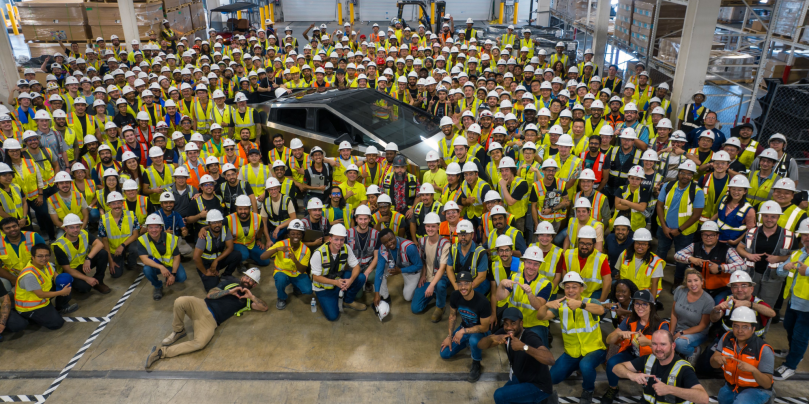
Giga Texas 4680 battery cell production increased by 80% in Q2 over Q1. The Giga Texas team produced over 10M cells, there was a beautiful image shared of the team by the Tesla X account.
Tesla is creating a unique Cybercell to bring energy density and cost improvements. Drew Baglino, SVP of Powertrain and Energy Engineering at Tesla, said Tesla is scaling their Cybercell 4680 battery for use in Cybertruck.
Elon Musk has been key to Cybertruck’s engineering and development, walking the production line and driving it around Austin, Texas. He said Cybertruck is the first truck that we’re aware of that will have four doors, over a 6-foot bed, and will fit into a 20-foot garage. So, it’s sort of biggest on the outside, but it’s even bigger on the inside.”
In more good news, Tesla has seen a reduction in pricing, across the across-the-board for all commodities, such as nickel, cobalt and graphite. This is good not only for Tesla but also for many other companies involved in the transition to a sustainable energy economy.
CONCLUSION
Finding ways to power our world with sustainable energy is necessary for maximum happiness for humanity.
While short-term stock fluctuations are fun to play with, that’s like candy in a candy shop. The serious meat is accelerating the transition to a world economy that is powered by sustainable energy. That’s why this article is about what progress is being made towards Master Plan 3, as communicated by Elon Musk and Tesla leadership at the Q2, 2023 Update.
I am rooting for a continued switch to heat pumps in residential, business & industry, the electrification of high-temperature heat delivery and hydrogen production, and sustainably fueled planes & boats.
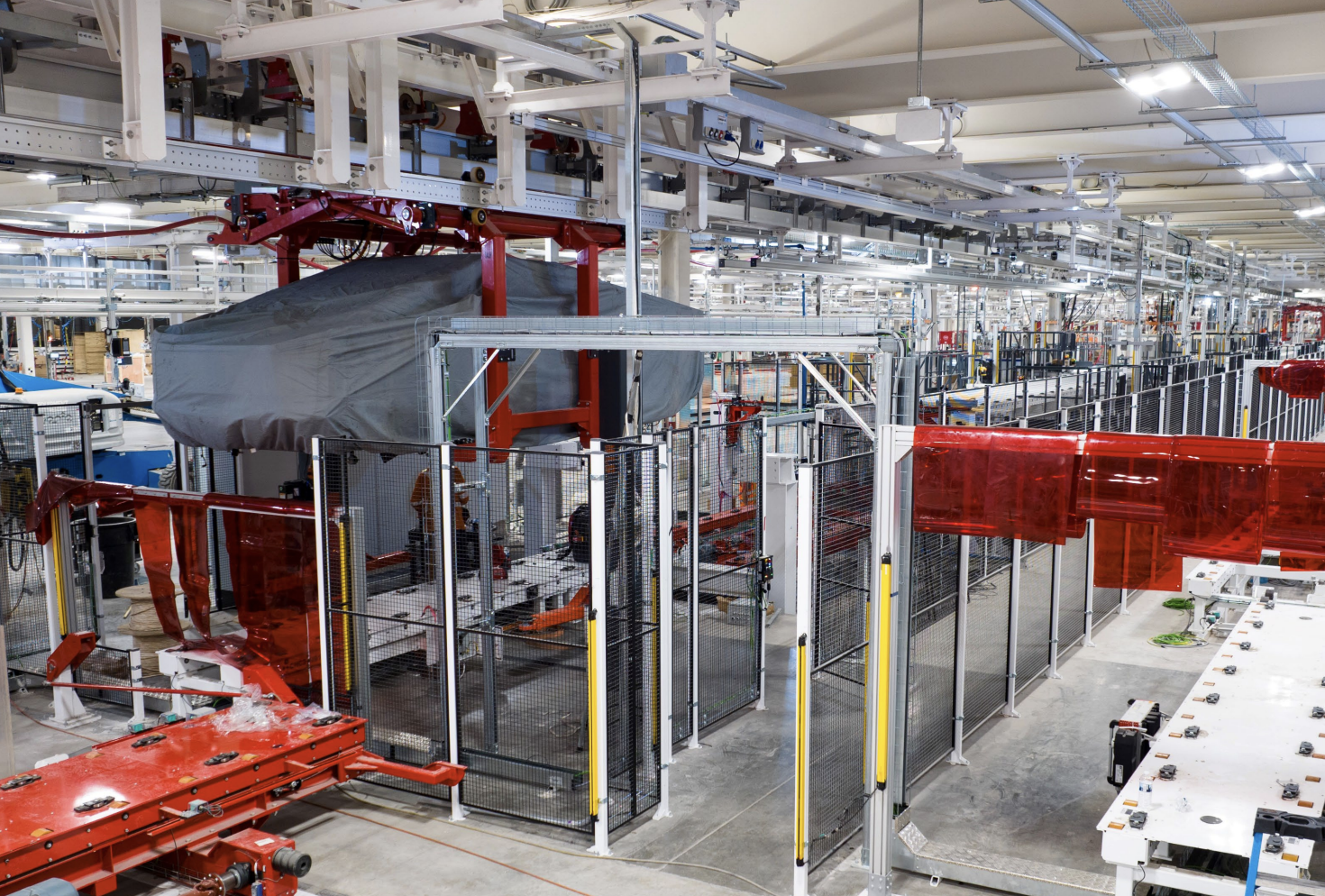
Giga Texas Cybertruck Production Line, Image Credit Tesla, Inc.
Elon Musk recommends people follow @fintwit_news on X and look at the analysis by ARK Invest. Article by Gail Alfar, please credit accordingly.
They do, and it’s on their website, and it features things like tire management, how best to pre-condition the interior so the cabin is cool when you enter the vehicle, and much more. I’ll link to it for you, and here are my fav hacks for handling the heat.
Sunshades!
Sunshades make a huge difference in the summer and I love installing them, Tesla says,
“Help prevent heat from entering the cabin by using sunshades. With sunshades installed, your vehicle’s cabin conditioning uses less energy to maintain a desired temperature. Sunshades are available for the glass roof and rear liftgate.”
In addition to sunshades, I always throw up a big front windshield sunshade that I keep in the backseat at all times. Mine was made for the Model Y. For all my sunshades, I choose them based on size and if they have a silver reflective surface to maximize effectiveness.
Windows Closed.
This seems like a no-brainer, and I am addicted to the wind, but keeping the windows up is pure physics, and here’s what Tesla says about it,
“When you want to maximize efficiency and range while keeping your cabin temperature comfortable, drive with the windows up and set climate to ‘Auto.’ This takes full advantage of your vehicle’s aerodynamics and allows your climate system to adjust settings automatically. In ‘Auto,’ climate will reach your desired temperature as quickly as possible and maintain it with minimal energy consumption.”
I never let my vehicle’s cabin reach over 100 °F. Tesla has two ways to protect your cabin from overheating. Tesla explains,
“ON uses air conditioning to prevent the cabin from exceeding 105° F / 40° C.
“NO A/C uses less energy while still providing some cooling by blowing outside air into the cabin.
“To activate, go to ‘Controls’ > ‘Safety’ > ‘Cabin Overheat Protection’ on your vehicle touchscreen, or expand the bottom drawer in the Climate section of the Tesla app.
This summer’s heat index here in Austin has reached over 100 °F for many days in a row now. I think all cars need protection.
Please check out Tesla’s awesome tips and pass them along as we experience one of the hottest summers yet.
Save with Gail's Referral. Order Tesla products with Gail's Referral Link to earn cash off your order plus exclusive referral benefits. ts.la/gail74884
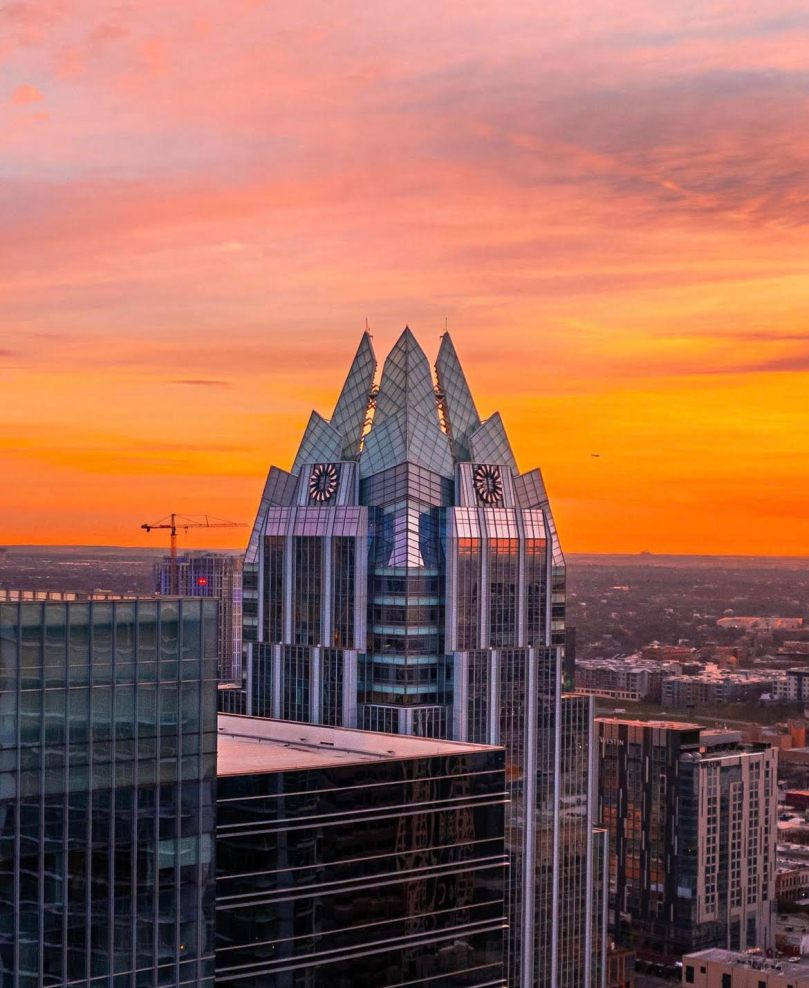
Image Austin Frost Bank building at Sunset, courtesy Aerial Austin Drone Photographers
Join me for a zero disengagement drive on Tesla FSD beta in Austin traffic, near Austin construction, all during sunset. We will visit famous Rainey Street and also see several autonomous “Cruise” vehicles.
In this podcast, I also explain how revenue from my subscribers on the X App is used to help me rent a small office space downtown so that I can dedicate time to documenting Tesla FSD beta.
Tesla FSD Beta as a Historical Event
I feel fortunate to be documenting Tesla’s autonomy and its progress in my videos and on this blog. I know that Tesla is making history. I am certain that Elon Musk is deploying everything he can to bring us to a future with Robotaxi cars. Each one of my podcast episodes is a documentation of how fast Tesla is advancing in artificial intelligence.
correction: my post on X says this is podcast 20, this is an error, it is podcast 21.
Hey guys, I recorded this last night. It’s Tesla FSD beta working great in Austin, Texas. This is my 20th Podcast episode. Enjoy 🏄🏼☀️✨
Gail Alfar, author. Exclusive to What’s Up Tesla – All Rights Reserved. My goal as an author and podcaster is to support Tesla (the most American vehicle manufacturer) and Elon Musk in both making life better on Earth for humans and becoming a space-fairing civilization.
Transforming Energy Grids: Tesla’s Milestones in the ADER Pilot Project. Image Courtesy Tesla, Inc.
(Austin, Texas) In a world rapidly transitioning towards sustainable energy solutions, Tesla, Inc. has emerged as a pioneering force in reshaping the way we envision and utilize energy resources. The Electric Reliability Council of Texas (ERCOT) Aggregated Distributed Energy Resource (ADER) Pilot Project represents a significant step forward in this endeavor. In just under a year, Tesla has achieved remarkable milestones that are transforming the landscape of energy distribution and management. This article goes into some of the technical details and innovative strides taken by Tesla, Inc. in the first year of the ADER Pilot Project, highlighting the impact of this initiative on the future of all energy grids across the globe.
The ADER Pilot Project: A Groundbreaking Innovation
The ADER ERCOT Pilot Project is not just another energy initiative; it’s a groundbreaking innovation that challenges the norms of traditional energy generation and distribution. Unlike previous demand-side participation programs, the ADER Pilot Project introduces a population of distributed devices capable of being non-injectors of electricity during times of scarcity or grid need, with performance standards equivalent to conventional generation resources. This distinction marks a significant departure from the status quo in ERCOT.
Tesla’s Role in the Transformation
Tesla has played a pivotal role in driving this transformation. The company embarked on a journey to develop new processes that mirror the commercial and physical activity of traditional resources. This journey involved activities such as registration, telemetry, and asset/market operations for ADERs, which did not exist before the ADER Pilot Project. Tesla also developed an advanced ADER control system that anticipates availability and influences responses every five minutes. This control system ensures that the aggregated response aligns with customer expectations, surpassing the capabilities of traditional generation or storage resources.
Why the ADER Pilot Project Matters
The timing of the ADER Task Force’s work could not be more critical. Establishing the infrastructure and processes necessary for distributed devices to participate in grid operator dispatch is typically a multi-year endeavor. Texas stands ahead of the curve in laying the foundation for a future where grid-coordinated dispatch of distributed devices seamlessly integrates with traditional wholesale assets. This alignment is crucial for grid reliability and energy market competitiveness.
Key Milestones Achieved
Coordination with Transmission/Distribution Service Providers [TDSPs]: One of the primary objectives was to create a process to qualify DER customers for ADER participation. Distribution utilities played a crucial role in commissioning and operating ADERs, and a stable process has been established to identify potential participants, validate interconnections, maintain precise locations, and verify non-participation in overlapping demand response programs.
Communicating with Individual Devices: Tesla has been engaged in developing sophisticated communication protocols to verify ADER status in real-time and anticipate future capabilities to fulfill reserve obligations. This marks a significant step in improving the reliability and responsiveness of the grid.
Contribution to ERCOT’s Reliability Standard: Tesla has actively provided feedback on ERCOT’s development of a Reliability Standard. This standard includes metrics that consider the reliability contribution of ADERs and other DERs to the ERCOT grid, highlighting their importance in ensuring a stable energy supply.
Customer Engagement and Transparency: Transparency has been a key focus, with Tesla customers gaining a deep understanding of ERCOT prices, energy sellback rates, and grid conditions. Customers have been empowered with real-time data through the Tesla app, enhancing their awareness and engagement with the grid.
Measurement and Verification: The ADER Pilot Project tackled the challenge of measuring device response exclusive of other behind-the-meter activities. This achievement enhances the accuracy and reliability of ADERs’ participation in the grid.
Market Strategy: Tesla’s market strategy involves a dynamic approach, where customers are informed and engaged in real-time grid operations. Customers have the flexibility to provide grid services when needed, aligning with their preferences and needs.
Customer Incentives: Tesla introduced innovative incentives to encourage customer participation in ADERs. Customers receive monthly bill credits reflecting their participation, making the grid more accessible and economically beneficial.
Challenges and Future Needs
While the ADER Pilot Project has achieved significant milestones, it also highlights future challenges and needs. Key areas of concern include:
Economic Viability: Maintaining the infrastructure for ADERs at a small scale poses economic challenges. Future phases must address these concerns to enable broader participation.
Dispatchable Reliability Reserve Service (DRRS): The introduction of DRRS could impact the performance and revenue potential of ADERs. It’s crucial to ensure that ADERs remain economically viable in the evolving market landscape.
Third-Party Participation: Expanding ADER capabilities to third parties is essential for sustainability and scalability. The project should focus on enabling non-Tesla Electric customers to participate effectively.
Dynamic MPC/LPC: Continuous monitoring and reporting of ADER data are essential for maintaining optimal performance. Developing systems that capture the dynamic nature of distributed devices is a priority.
Refining Dispatch Control Systems: Further refinements in control systems are needed to ensure that ADERs consistently perform at or above the level of traditional resources.
The ADER ERCOT Pilot Project represents a significant leap towards a future where distributed energy resources function as virtual power plants (VPPs) on par with conventional resources. Tesla’s remarkable achievements in the first year of the project have demonstrated the potential of ADERs to enhance grid reliability, offer economic benefits to customers, and revolutionize the energy market. As challenges and opportunities continue to unfold, the ADER Pilot Project paves the way for a more sustainable and responsive energy grid, where every participant, from individual customers to large aggregators like Tesla, contributes to a cleaner and more reliable energy future.
On this drive, we start off by colorizing the Tesla on the screen and we select a nice deep purple color for the car. As we drive we’ll see some of Austin’s murals and artistic graffiti. But the best part of the podcast is the sound the car makes whenever it turns corners.
Tesla “Fart” mode
Tesla has always gone to great lengths to make its vehicles fun. When you select “fart mode” in your vehicle, whether it’s a Tesla Model S, 3, X, Y, or a Cybertruck, you’ll hear a delightful little emissions sound. This is a play on the fact that Tesla cars have ZERO emissions. Here’s your choices of fart sounds:
Not a Fart (a reference to Not a Flamethrower that Boring Co. sold in 2018)
Short Shorts Ripper (A hilarious tribute to TSLA stock short sellers)
Falcon Heavy (SpaceX’s rocket with 2 boosters)
Ludicrous Fart (Homage to SPACEBALLS, the movie)
Neurastink (a reference to Neuralink)
Boring (as in The Boring Company) * The seventh choice, called “I’m so random,” will pick one of the sounds randomly.
This is a FSDbeta 11.4.4 during a very busy time after work in Austin, Texas. Welcome to my 20th Podcast Episode! ❤️🔥 A great drive! pic.twitter.com/agLHraJp8P
I’ll add a little personal note here. Elon Musk has said that when he passes away, he’d like his headstone to say, “INVENTOR OF THE CAR FART,” so when I met Elon on August 18th, 2022 at Gigafactory Texas, I asked him if he was okay with other automakers using fart mode. I was under the false impression that it was an exclusive patent. Elon informed me, in a serious matter-of-fact way, that he is perfectly fine with other OEMs using Fart Mode. His goal is to accelerate the transition to sustainable energy and he has made sure that all of Tesla’s patents are open-source, including Fart Mode.
Gail Alfar, author. Exclusive to What’s Up Tesla – All Rights Reserved. My goal as an author and podcaster is to support Tesla (the most American vehicle manufacturer) and Elon Musk in both making life better on Earth for humans and becoming a space-fairing civilization.
Tesla Earth Day is entered with great enthusiasm by both owners of its beautiful vehicles and its amazing solar systems. Here, we share the winners with their permission. Enjoy.
Over the 4th of July holiday I took a road trip in my Model Y. This is one of many road trips I have enjoyed and yet it stands out as unique due to some wonderful people I met who love Tesla. Word of mouth travels fast, and this is how many people are aware of Tesla’s North American Charging Standard (NACS). People like the idea that other EVs will charge at Tesla Superchargers.
TESLA’S SUPERCHARGING INFRASTRUCTURE IS SOLID
Before I go into my experiences with Supercharging and my conversations with EV owners, I want to bring you back to Tesla Investor Day on March 1, 2023, which showcased how strong the Tesla Supercharging Network is. This Network is well prepared to provide charging to other electric vehicles.
Tesla’s leaders gathered at Gigafactory Texas to present this important showcase. Rebecca Tinucci of Tesla’s Charging Infrastructure team explained,
“We think a lot about what it means to charge at home, even if that home is an apartment or condo, and we spend a lot of time thinking about what it means to charge away from home, including if that’s for daily commuting or if you’re going on a road trip.”
Tinucci explained that in 2022 Tesla provided 9 Terawatt hours of charging across various charging methods and over 50% of that was supplied by convenient AC home charging.
Tesla owners have always been able to access over 80,000 charging points and that includes 40,000 of Tesla’s Superchargers. Now this flourishing charging network will be open to other EVs who adopt the NACS.
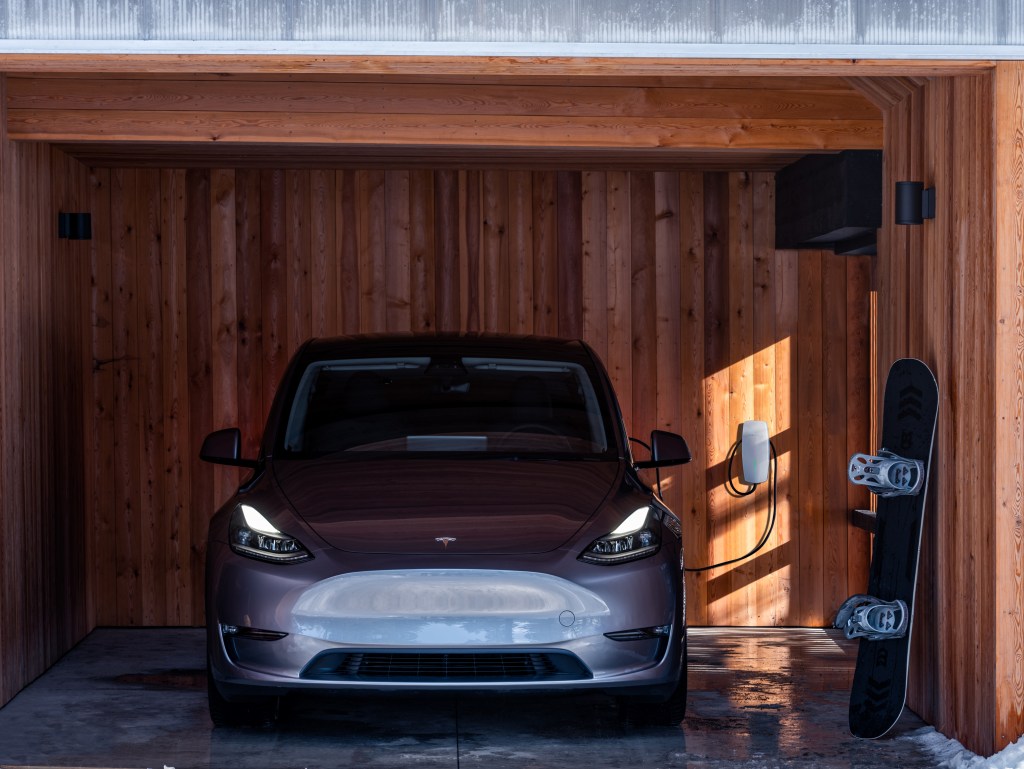
Tesla Model Y Charging at Home. Image Courtesy Tesla, Inc.
HOW DID TESLA GET SO GOOD AT SUPERCHARGING?
Only Tesla has dedicated countless hours and engineering talent to make electric vehicle charging an experience so delightful, that people love to talk about how good it is. Tinucci explains “Getting here has meant that we spent 10 years building charging infrastructure when basically no one else in the industry would do it, those 10 years have afforded us the opportunity to get pretty good at charging.”
For this reason, Tesla can depend on word-of-mouth advertising for its Supercharger Network. There are signs that other electric vehicle manufacturers may spend advertising dollars making their customers aware that their vehicles can access the Tesla Network however Tesla won’t have to spend a penny on advertising this. Instead, Tesla will invest every dollar into improving the Network.
LOWER COST PASSED TO THE CUSTOMER
Tesla’s mission is to accelerate the world’s transition to sustainable energy, so naturally costs to power your EV will cost less than filling up a gas tank. Tesla uses less expensive renewable energy to power Superchargers. These cost savings also come from Tesla’s approach to finding the most efficient ways to deploy Superchargers and vertically integrate the supply chain.
Tinucci explained, “First, we have the industry’s lowest deployment cost, our costs are often 20% if not 70% lower than alternatives, and that goes for both our supercharging hardware and deployments and our AC charging product lines.”
Tesla achieves this lower cost through being vertically integrated with manufacturing, and through engineering all of their own charging equipment. Tesla shares components across their different product lines and installs and operates all of its own charging sites. In Tanucci’s words, this has led Tesla to be “obsessed with finding ways to innovate around installation.”
TESLA INNOVATES THE WAY SUPERCHARGERS ARE INSTALLED
Tesla applies manufacturing expertise to how they deploy Supercharger sites.
One example is that Tesla is pre-builds “Four post Supercharger units” at Gigafactory New York. Tinucci explained that Tesla ships these pre-built superchargers to the site and then uses a crane to put them into position, which saves 15% on deployment costs. A site can be installed in a matter of days, and once it’s operating, Tesla continues to manage it efficiently.
HOW DOES TESLA MANAGE SUPERCHARGER SITE UTILIZATION?
Tinucci explains how Tesla’s Trip Planner Software maximizes Supercharger site efficiency to lower cost,
“Over the last few years, we’ve been able to cut our per kilowatt hour cost by 40%, there are a lot of reasons for this but one of the top of the list is we focused on increasing our site utilization. Site utilization is just how many sessions or kilowatt hours can we push through a site or a post and basically doing that allows us to spread our cost over more sessions, thus, lower cost for kilowatt hour. But of course that’s easier said than done because when we push efficiency, of course, the risk is that we have a poor customer experience when we have a wait time at our sites.”
Tesla seeks the best customer experience possible and developed a solution for this with Trip Planner software.
Tinucci continued,
“This is where Trip Planner comes in. Trip Planner is our in-vehicle routing or navigation system. Other electric vehicle manufacturers, or some of them, have vehicle data. Other infrastructure providers have site data, but at Tesla we have both and what that allows us to do is to use Trip Planner to route vehicles towards available sites and away from congested sites so we can balance our utilization without risking wait time.”
Tinucci explained how the results of Tesla’s Trip Planner software speak for themselves since over the last few years Tesla has been able to drive up site utilization by 30% and that means lower per kilowatt hour cost while also cutting wait time in half.
Tinucci revealed that Tesla plans even more advancements with Trip Planner. Trip Planner will be moving to projecting site occupancy based on the understanding of what vehicles are currently routing to those sites. She explains that “Ultimately, the vision for Trip Planner is that it’s the air traffic controller for electric vehicle charging across all infrastructure on a global basis.” This will become more important in 2024 when other EVs start Supercharging in the Tesla Network.
QUICKER CHARGE TIMES
When I last Supercharged at Buc-ee’s in Waller, Texas, the 20 minutes went by so fast I did not have enough time to linger in the shops. It was enough to use the ladies’ room and buy lunch to avoid a $1/minute idle fee. I had to rush back to remove my Tesla from the post.
Tesla aims for even quicker charge times than this! Tunicci said, “We have shaved off 30% of our average supercharger sites time, or visit time, over the last few years. This is taking improvements on the hardware side with our software on our vehicles and on our infrastructure and we’re really excited to continue pushing this trend down.”
WHAT IT TAKES TO CHARGE A FULLY ELECTRIFIED FLEET
Do you know how much a Petawatt is? Petawatts is a unit of power equal to one quadrillion watts, and it’s used to estimate the immense amount of energy required in the future to charge all cars if they were electric.
Tesla aspires to a fully electrified, global fleet and that will take an enormous amount of energy. Nine Petawatt hours of charging will be needed on an annual basis. Tesla is preparing to meet that challenge by growing and maintaining a stellar charging experience.
Tinucci explains it this way, “While Tesla Charging certainly doesn’t have to supply all of that [9 Petawatts], it does require that for our part, we have a few new focuses in order to scale. First, if you want a fully electrified, global fleet, all of those vehicles have to have a great and reliable charging experience.”
In 2022, Tesla opened up its supercharging network on a global basis and now over 50% of Tesla’s superchargers in Europe are currently open to other electric vehicles. In 2024, get ready to see other EVs charging at Tesla Superchargers in the USA. Ford, General Motors, Mercedes-Benz, Polestar, Rivian, and Volvo will build EVs with Tesla’s easy-to-use and ergonomic North American Charging Standard (NACS). Expect to see most EVs built in 2025 to have the NACS. Until then, other EVs can access all Tesla Superchargers in the USA using an adapter.
TESLA CHARGING: RENEWABLE SOURCES & DAYTIME CHARGING
The second thing Tesla is doing is to ensure when they build out charging infrastructure, that it’s powered by renewable sources. Tanucci said,
“Over the last two years, we’ve procured enough renewable energy to offset the amount of charging we’ve provided to customers. As we look forward and we talk about this fully electrified fleet on a global basis, we want to make sure the demand for charging more closely follows when renewable sources are available.”
Tanucci continued, “We think the best way to go towards daytime charging is to install AC charging that is convenient and low-cost everywhere vehicles are typically parked throughout the day.” It comes as no surprise when Tanucci stated that Tesla Charging teams “are currently scaling to install AC charging everywhere vehicles charge during the day so we can power them from the new renewable sources.”
MY PERSONAL EXPERIENCES
I’d like to leave you with my experiences with Supercharging and my conversations with EV owners on my recent 4th of July trip to Galveston Island, Texas.
“I would love to charge my EQS in the Tesla Network! I hope it happens as soon as possible!”
My friend Chris, from Louisiana, drove a Mercedes-Benz EQS to Galveston Island for the 4th and is very excited to access Tesla Superchargers.
“I had no problems at all with staying charged on my drive moving to Houston from New Jersey. Gas stations are smelly and I don’t miss them!”
Another friend, a Model Y owner, shared his enthusiasm for how easy it was to travel and stay charged. I share his sentiments, and one of the reasons I bought a Tesla was to avoid the gas pump. Gas pumps bugged me for being clunky and often leaky. I remember raising the nozzle in the air so gas would not fall on my shoes. Yes, flammable, toxic gasoline would often be left on my car, hands, and feet. Thankfully, the future is electric!
Tesla Supercharging is one part of Elon Musk’s Master Plan Part 3. There is a long road ahead and we can help by using renewable energy and speaking up to policymakers to promote policy that will help, not hinder, Tesla and the amazing work their teams are doing.
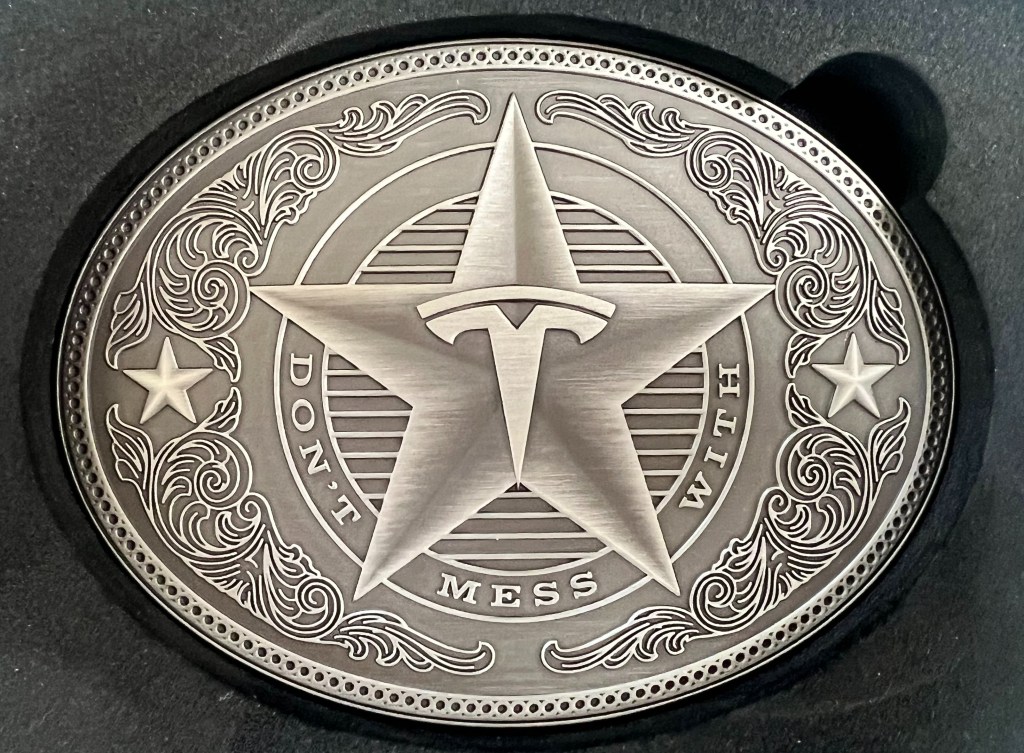
Don’t Mess With Tesla Belt Buckle.
Notes: See Official Tesla Youtube LIVE “2023 Investor Day.”
Thanks to the entire Tesla team and especially to Elon Musk for his engineering and leadership.
An article by Gail Alfar For What’s Up Tesla & Twitter Publishing from July 8, 2023.
Fourth of July is a popular time to visit the sparkling beaches on the Gulf Coast of Texas. I packed up my gear, and headed to Galveston Beach with my family to enjoy the sand, sun, ocean salt water, and Tesla FSD beta in a busy beach town! What an amazing experience.
Consider this: When you travel outside your usual comfort zone, Tesla FSD beta is your best friend who “knows” the new town well. This was my experience in Galveston. Enjoy the podcast and I hope your travels are fun, safe, and memorable!
Here’s FSDbeta 11.4.4 in Galveston Beach, Texas on 4 July, so very busy and quite challenging. This is Podcast #19 & I hope it inspires you to try Tesla FSD 🏖️☀️ pic.twitter.com/piXR11F4il
Gail Alfar, author. Exclusive to What’s Up Tesla – All Rights Reserved. My goal as an author and podcaster is to support Tesla (the most American vehicle manufacturer) and Elon Musk in both making life better on Earth for humans and becoming a space-fairing civilization.
(Austin, Texas) In October 2008, Elon Musk became CEO of Tesla and on June 29, 2010, Tesla made history by going public at a share price of $17. This move not only garnered attention from investors but also served as a turning point for the company’s growth trajectory.
Let’s look at some major milestones in the history of Tesla. I’ll share my insight on what I think are the next big things for Tesla.
“The smartest money in the world is betting on Tesla. They must have a reason for doing so.” – Elon Musk, Tesla IPO day (2010)
Elon Musk is a wonderful Technoking of Tesla!
He’s optimistic, takes action daily to make the future good and lives with a sense of urgency. This sense of urgency was evident on one occasion when I had the rare opportunity to speak with him at Giga Texas in August 2022.
I can tell you that after meeting Elon Musk, what he shares on Twitter is essentially the same as what he talks about in person. He spoke about how important it is to get Starship into orbit and how important solving autonomy is. He is a highly technical and brilliant engineer.
“But I think what a lot of people don’t realize, is what I do 80% of the time in engineering. You know it’s actually quite rare for me to give a talk. My day-to-day work at SpaceX and Tesla is almost entirely engineering and design and also production. Production is key, although I consider that to be part of engineering.” – Elon Musk, Baron Conference ‘22
Battery Technology Advancements
Tesla’s expertise in battery technology has been a game-changer in the world of electric vehicles and energy storage. The company’s relentless focus on research and development has yielded remarkable results, with continuous improvements in battery efficiency, energy density, and longevity. I own a Model Y and never worry about the battery. Tesla’s software does the job of keeping the battery healthy by preconditioning it as I drive towards a Supercharger, or cooling it depending on hot weather, and making sure it conserves energy in a pinch.
Introduction of the Tesla Model S in 2012
I was very excited to see the Model S in Austin in 2012 and go on a test drive soon after! What an exciting time it was! The Model S showcased Tesla’s ability to create an electric vehicle that not only rivaled but surpassed its combustion-engine counterparts. With groundbreaking aerodynamics, innovative powertrain design, and advanced thermal management, the S demonstrated that electric cars could offer exhilarating acceleration, exceptional range, and luxurious comfort.
Recognizing The Importance Of A Robust Charging Infrastructure For All EVs
Tesla pioneered the development of the Supercharger network. These high-power charging stations, strategically placed along popular travel routes, offer Tesla owners and now other EVs a convenient and efficient way to recharge their vehicles, reducing range anxiety and promoting long-distance travel. The deployment of V3 Superchargers, capable of delivering up to 250 kW of power, further solidifies Tesla’s commitment to fast and seamless charging experiences.
Autopilot and Full Self-Driving Capabilities
Tesla’s advancements in autonomous driving have been a focal point of the industry and my personal favorite feature of my beautiful Model Y. I use Tesla FSD beta for 90% of my driving. Through a combination of hardware and software innovations, including the neural network-based perception systems, and machine learning algorithms, Tesla has made significant strides towards achieving full self-driving capabilities. The Autopilot feature, which comes with every vehicle at no extra cost, has revolutionized the driving experience, paving the way for a future with safer and more efficient transportation including future Robotaxis.
Gigafactories
Tesla’s relentless pursuit of scalability led to the establishment of Gigafactories, massive production facilities designed to manufacture big batteries, electric drivetrains, and vehicles on an unprecedented scale. These state-of-the-art factories, strategically located around the globe, optimize production processes, reduce costs, and accelerate the adoption of sustainable transportation on a global scale. At least three of Tesla’s gigafactories are expanding in size as you are reading this article! This includes Gigafactory Nevada, Giga Berlin, and Giga Shanghai. I am familiar with Gigafactory New York, and Lathrop’s Megafactory for big batteries.
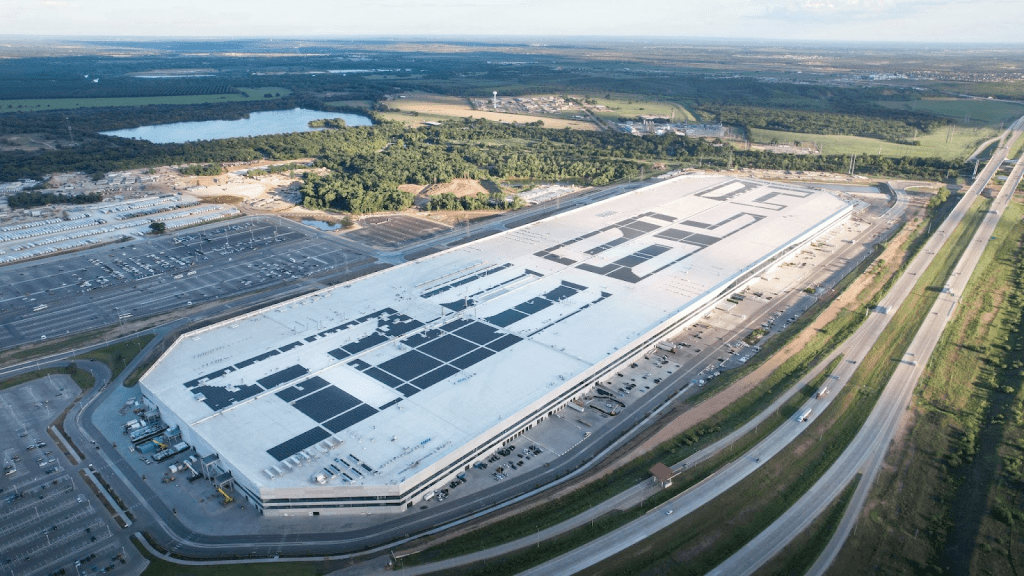
Under the big, blue Texas sky is Giga Texas, an achievement that inspires and produces a sense of awe. The gigafactory can be seen from space as it is huge, with solar panels on the roof that spell out “Tesla.” The gigafactory and its surroundings buzz with activity and even driving near it fills you with exhilaration knowing this is the home of both Model Y and Cybertruck!
“Giga Texas is a $10B+ investment over time, generating at least 20k direct & 100k indirect jobs” – Elon Musk on Twitter
What is Next for Tesla?
This is not a full list, and there are likely many plans Tesla has which we do not know about. But here’s a few to get you excited!
Giga Mexico will build a next-gen (more affordable) vehicle. The gigafactory will likely attract the best of Mexico’s talent in automotive.
Tesla Lithium Refinery in Texas is being built and will strengthen the reliability and reduce the cost of Tesla’s batteries. The factory will bring needed jobs to the Corpus Christi area.
Production will scale for Cybertruck and Semi. The roads will change, bringing the future to the present. Tesla will hold a Cybertruck Event!
The delightful and reliable Optimus Bot will charm both owners and co-workers!
More Stores, Galleries and ServiceCenters will be opened.
Supercharging will expand and so will Destination and Home charging.
Tesla Electric will expand Virtual Power Plants and, working with the Federal Energy Regulatory Commission (FERC) it will make sure all VPPs across the USA and Puerto Rico prove they can respond reliably and faster than traditional natural gas or oil power plants.
For more, study Tesla Masterplan Part 3, a framework that lays the foundation for a sustainable economy that will result in less mining and/or extraction than is currently done. People often worry about “rare earths.” In reality, zero rare earths are needed for the transition to sustainable energy. Have a great day and thank you for supporting my independent journalism!
Article written with pleasure by Gail aAfar, please credit accordingly. All images in article are Courtesy Tesla, Inc.








 whatsuptesla.com