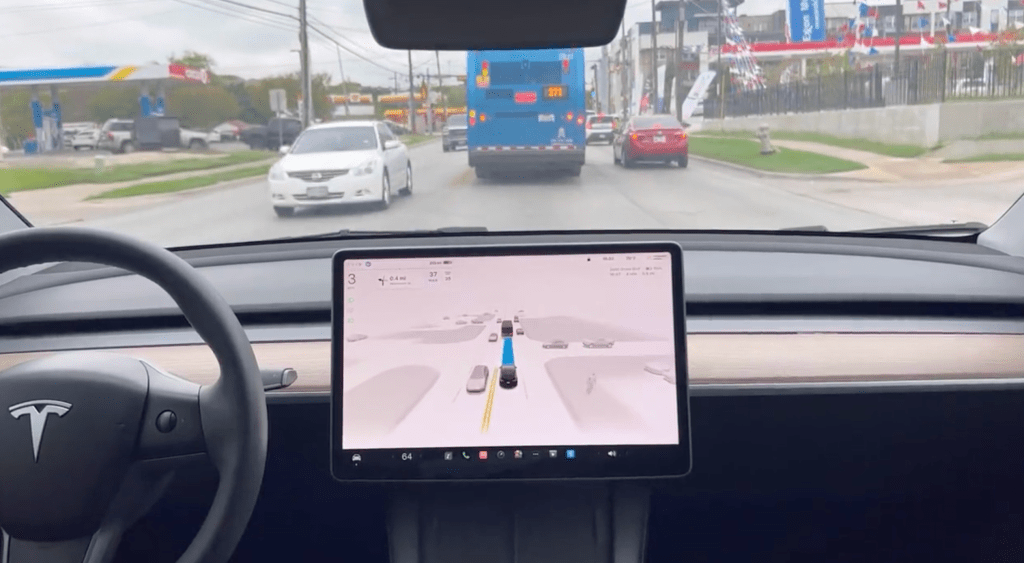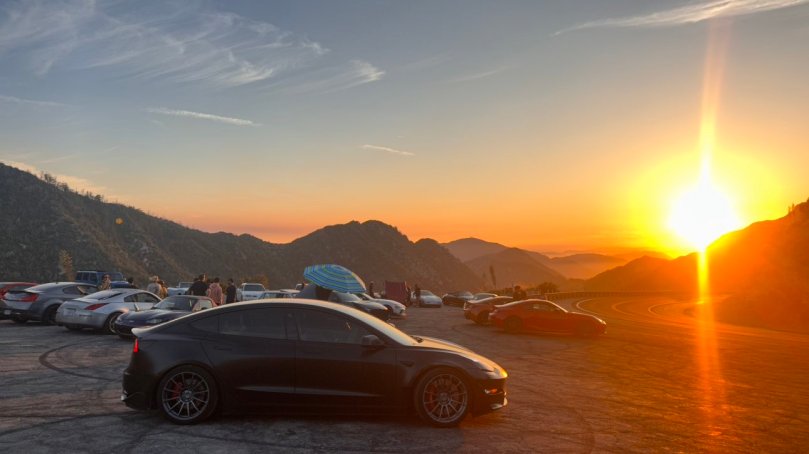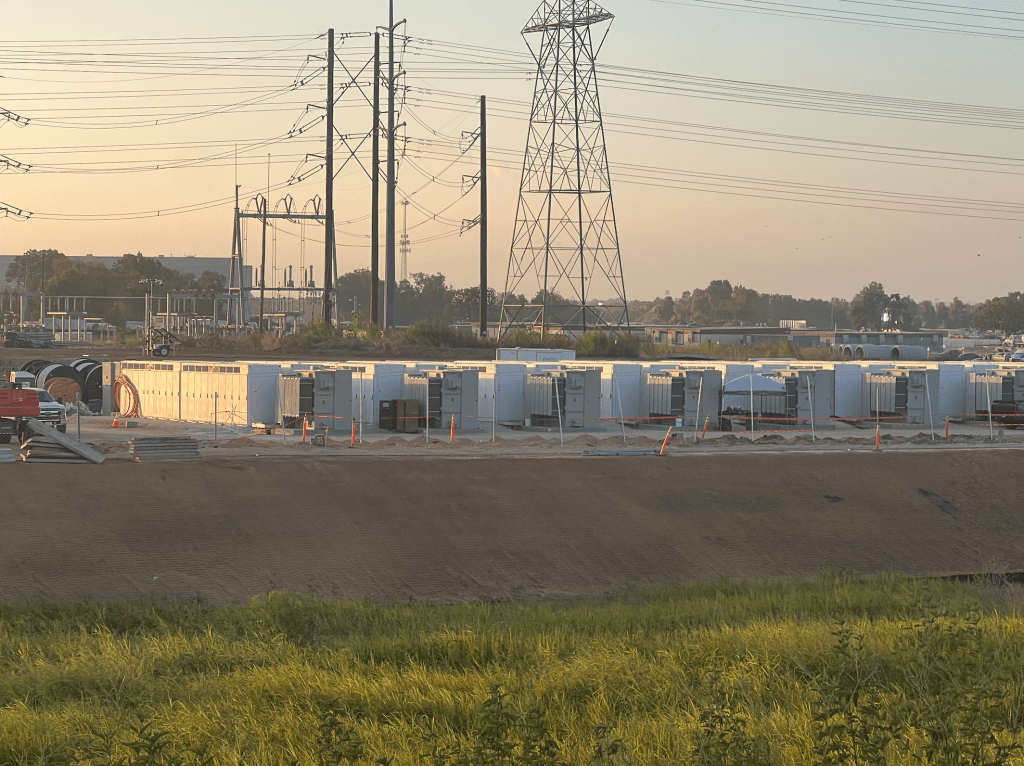
(Austin, Texas) The coffee is brewing, the day is starting (its Monday!) and Austin is buzzing, literally, as we were hit hard by hail last night and many people are outside cleaning up.
Tesla’s New Universal Wall Connector
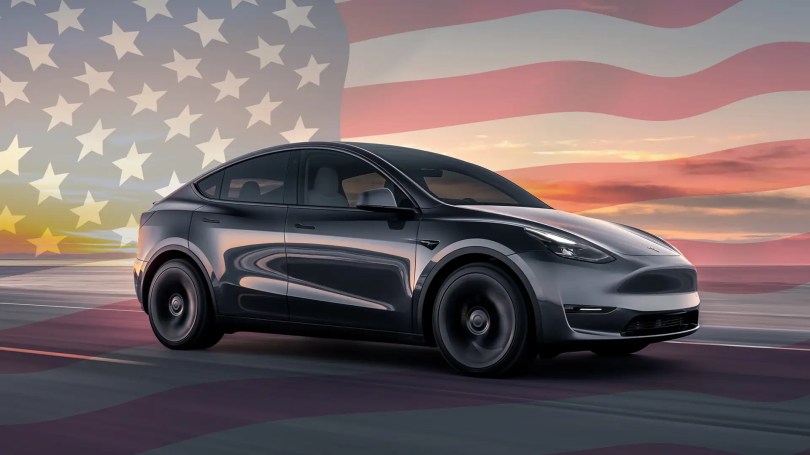
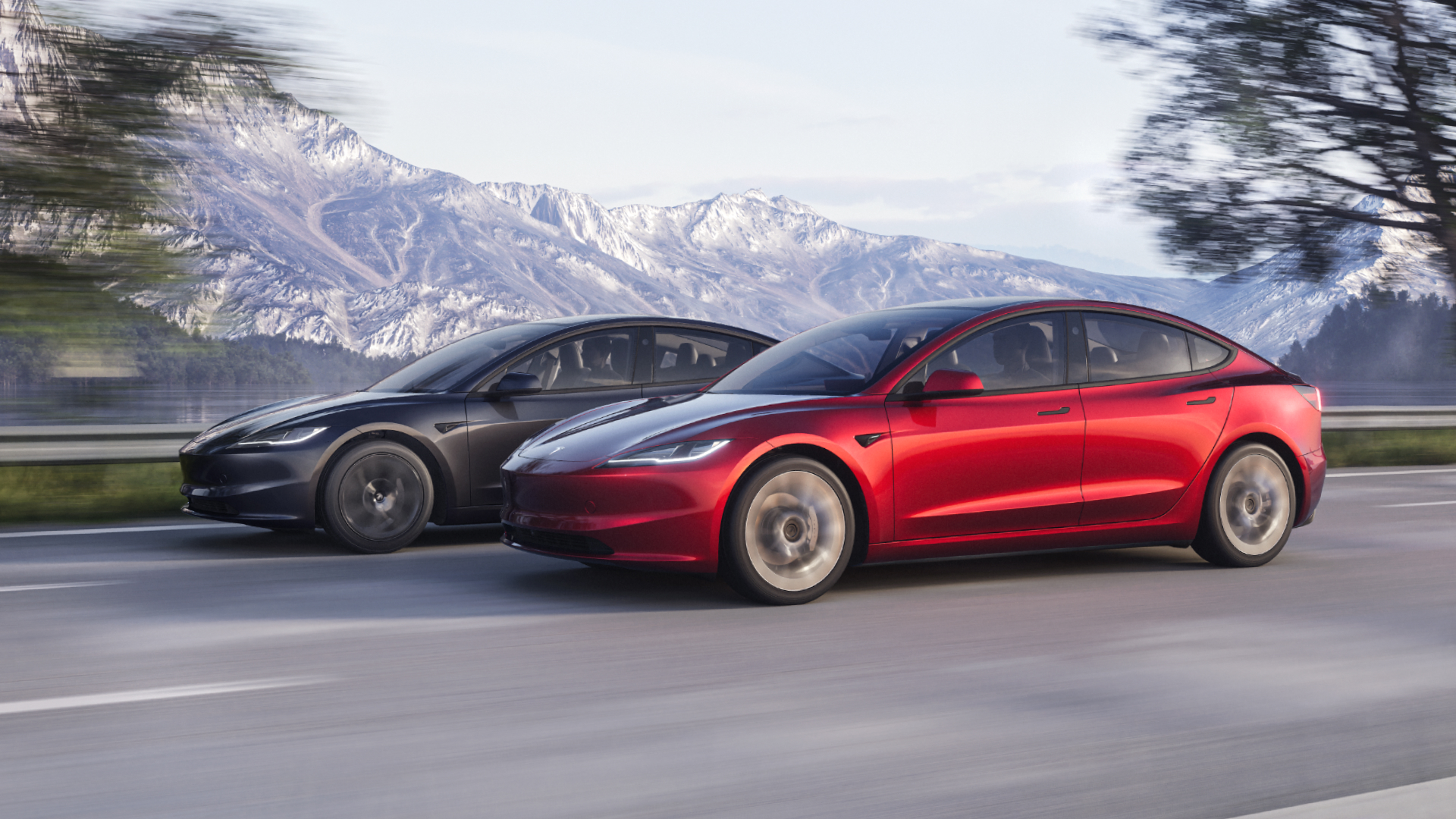
I noticed Tesla shared new images of Model Y and another EV together, both charging using Tesla’s beautiful new product: Universal Wall Connector. These new connectors are shipping out to customers starting in October.
Additionally, Tesla will release features on the Tesla App soon to support some pretty cool applications for this product.
I’ve used the basic Tesla Wall Connector for three years now and it is beautiful in both form and function.
Opening Doors for Non-Tesla EV Owners
Tesla is welcoming owners of non-Tesla EVs to also enjoy the charging experience in several ways with this new product, here’s some of the features:
Up to 44 Miles of Range per Hour: Delivering a robust 11.5 kW / 48 amp output.
Integrated J1772 Adapter: Ensuring compatibility to charge any EV.
Smart Charging Management: Monitor and manage your charging schedule and usage seamlessly from the Tesla app.
Wi-Fi Connectivity: Access controls, over-the-air updates, and remote diagnostics at your fingertips.
Power-Sharing: Connect up to six Wall Connectors for workplaces and community living.
Generous Cable Length: A 24-foot cable for added convenience.
My thoughts
I think Tesla’s new Universal Wall Connector is right on track with the transition to all-electric vehicles.
I recently visited Polestar, Volvo and Mercedes-Benz to talk about their EVs.
Each time, I noticed that legacy auto is starting to sell more EVs to their loyal brand customers.
Jaguar announced last week they plan to adopt the NACS and exclusively build and sell only EVs by 2025.
Jaguar said in a Press Release on Sept 21:
“Jaguar will transform into an all-electric luxury brand by 2025, with uniquely expressive vehicles defined by pioneering technologies and visionary design. A copy of nothing.”
I’m all-in on Tesla FSD so my chances of ever switching brands is very low, and with that said, I’m really rooting for the success of other EVs, and this image shared by Tesla media, makes my heart happy.
The charging experience needs to be not only easy, but a pleasure! Every owner who invests in an EV now has the opportunity to also charge faster and easier.
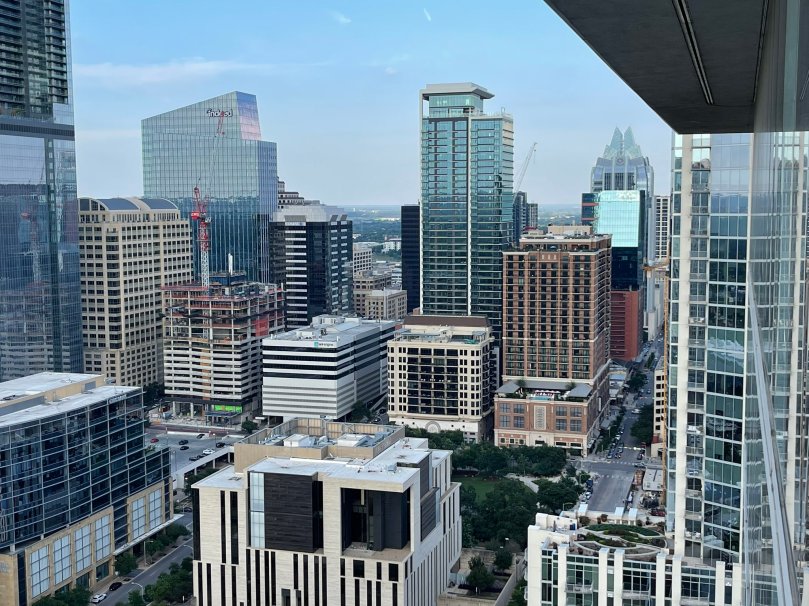
Austin in the mist. Image Courtesy Shane Ware.
Gail Alfar, Author, US Army Military Veteran and Sharpshooter. Exclusive to What’s Up Tesla – September 25, 2023. All Rights Reserved. My goal as an author is to support Tesla (the most American vehicle manufacturer) and Elon Musk in both making life better on earth for humans and becoming a space-fairing civilization.
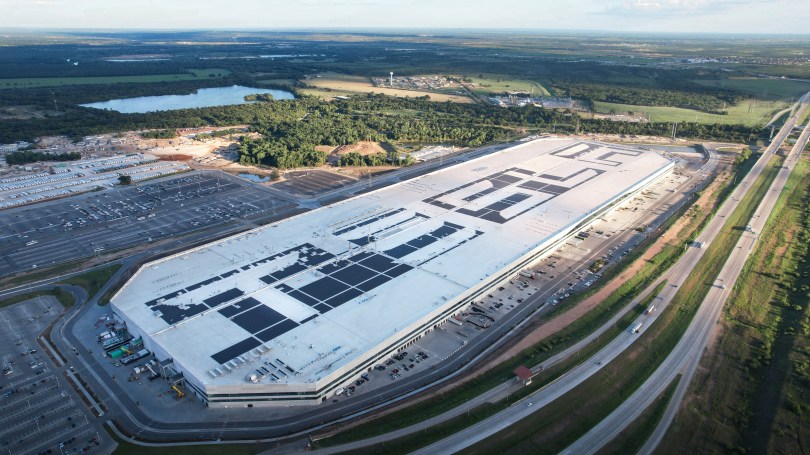
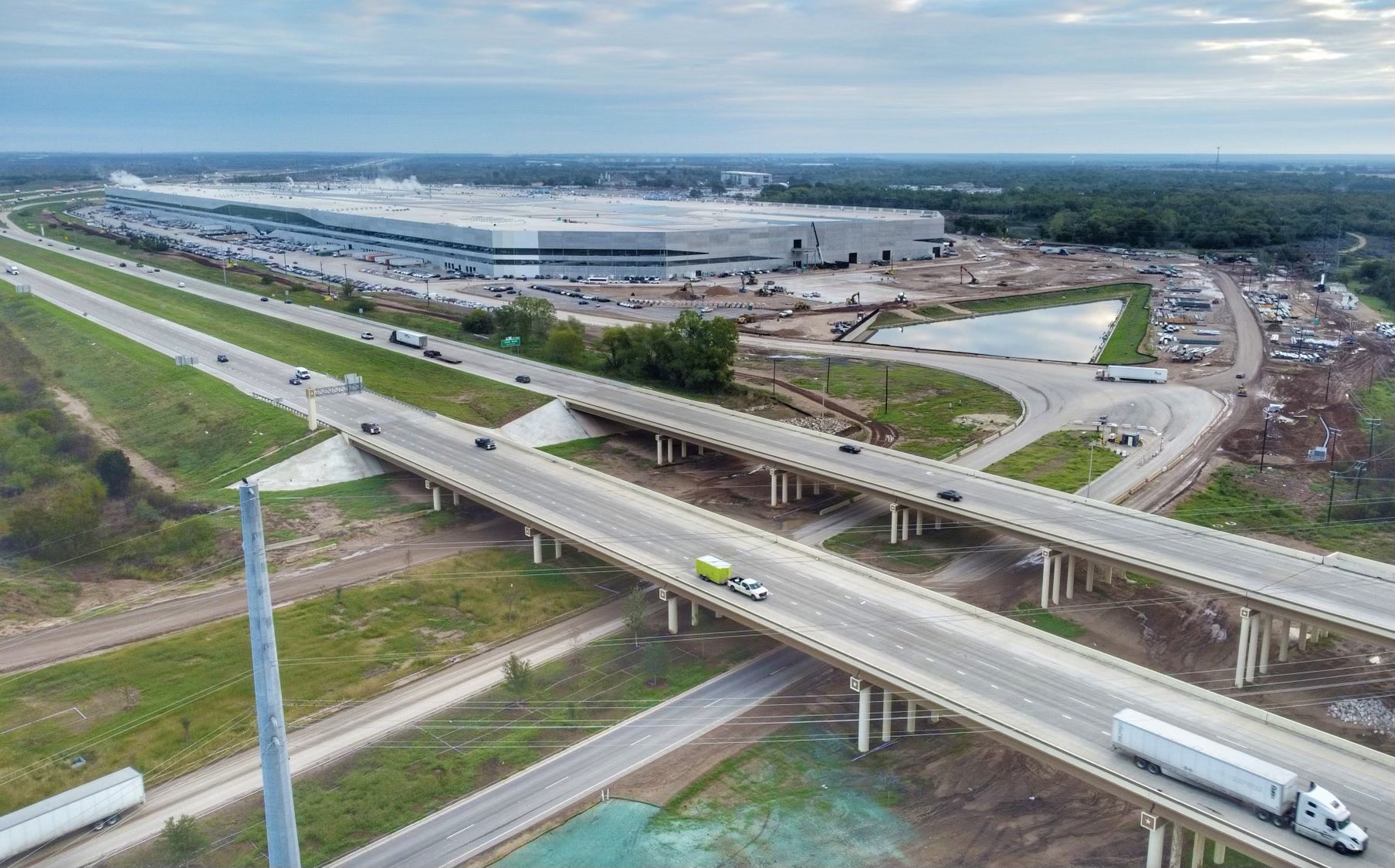
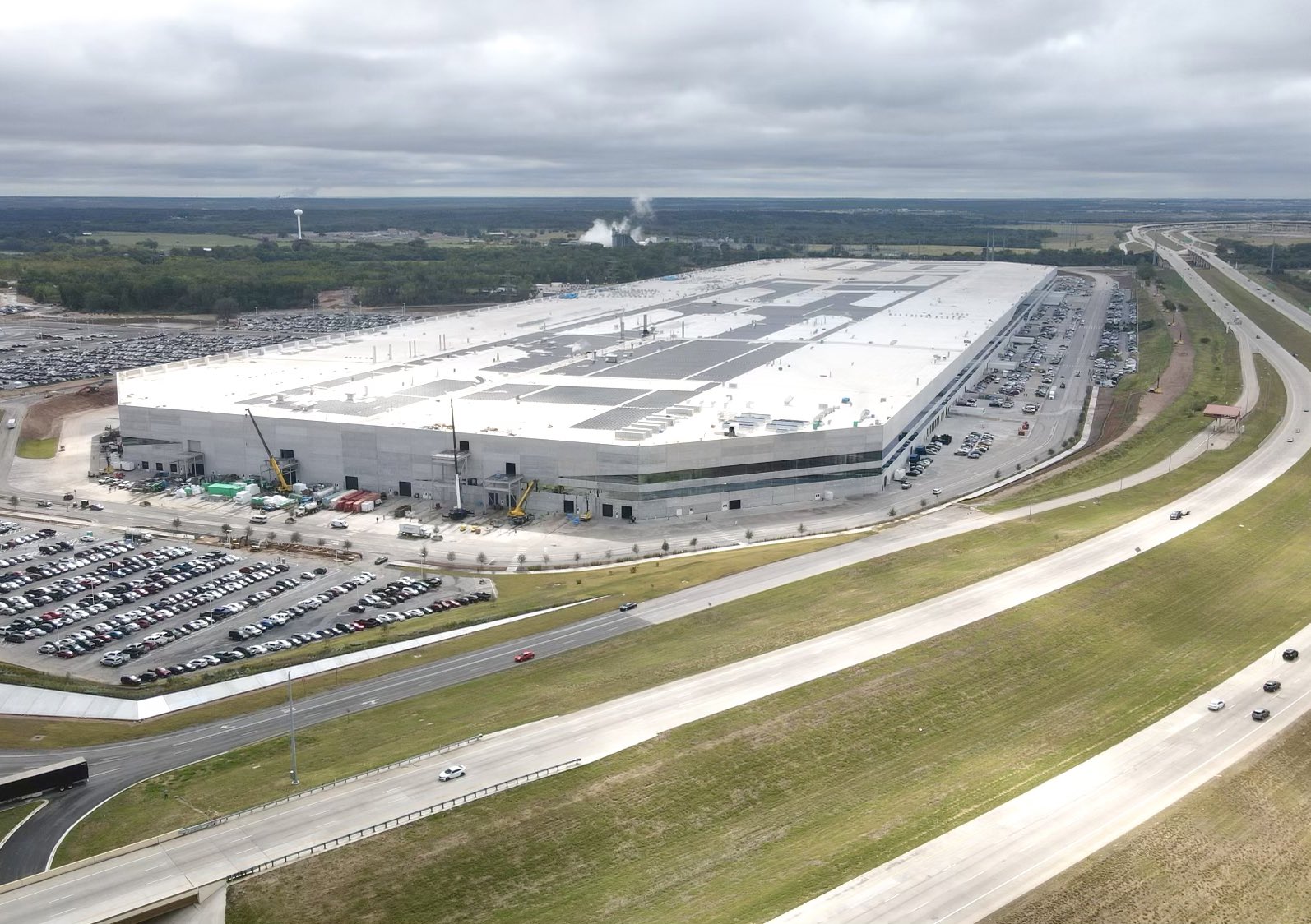
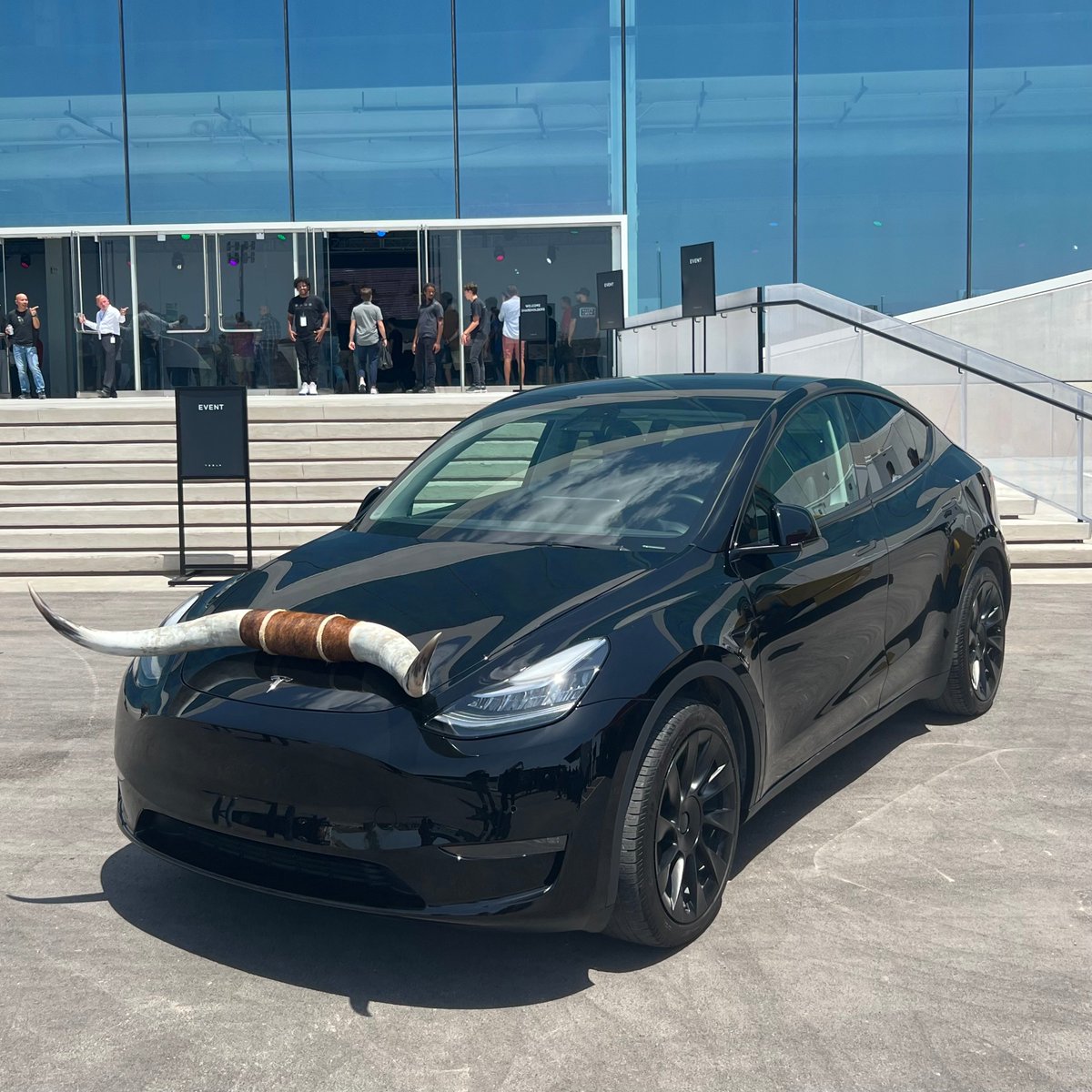
(Austin, Texas) It’s great to see Tesla becoming a major force in Austin, bringing life to a previously neglected area East of the city and jobs to around 20,000 people at Giga Texas. In a short time, Tesla has become the region’s second-largest private employer and is soon to become No.1.
Charting the path of transformation
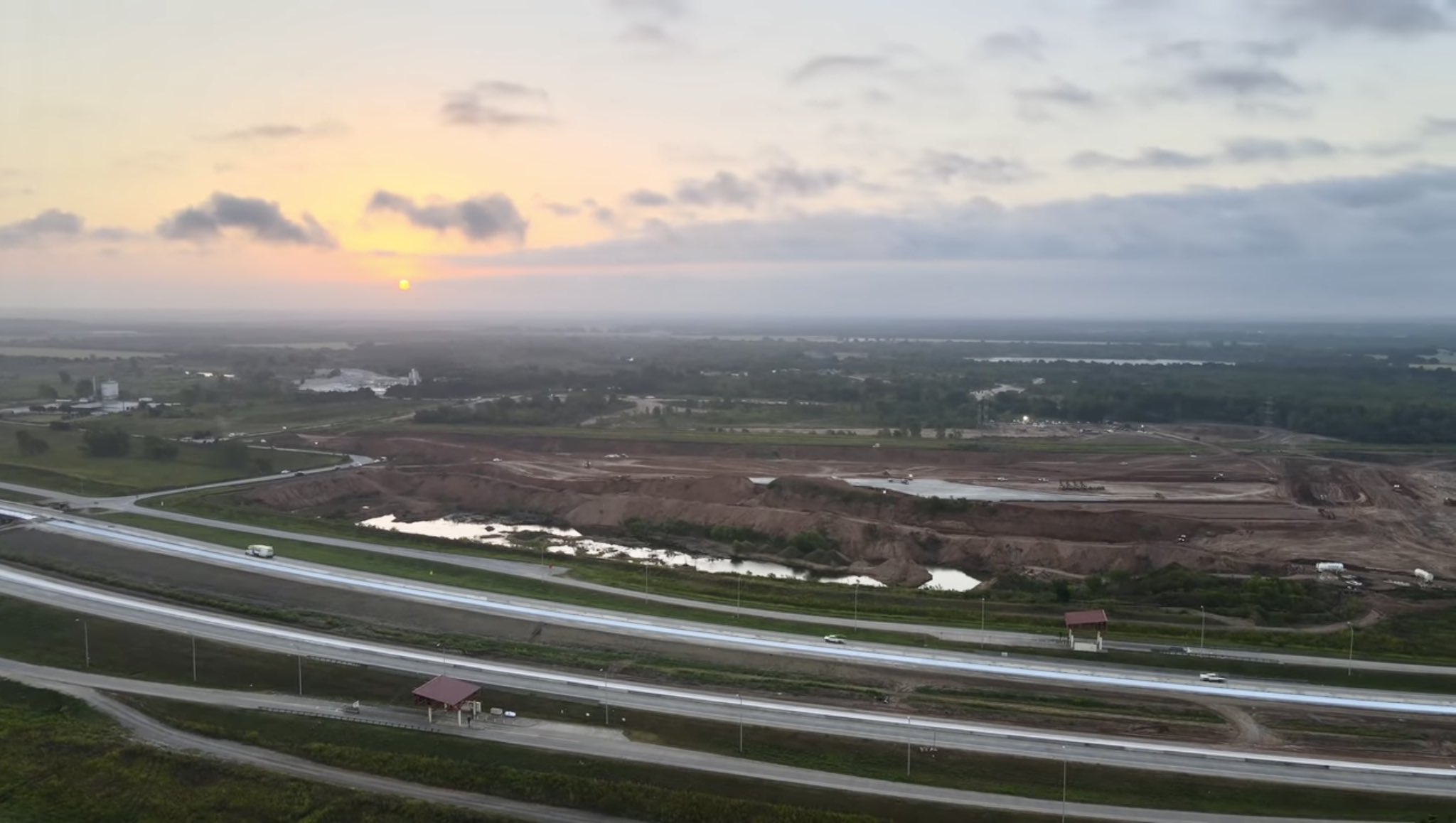
In 2020, I joined Jeff Roberts, Joe Tegtmeyer, and others to report on and document daily, the progress of this historic factory. In fact, we would often gather off of the 130 tollway to talk about what a great contribution Elon Musk is making to humanity by building Giga Texas. I recall standing near the construction site (see image from June 2020) and imagining the future. I imagined a vibrant, booming factory that would radiate life, hope and love to Austin, Central Texas, the USA, and the world. This is indeed coming to pass.
This is what the land looked like in June 2020 before Giga Texas was built.
Construction began in July 2020, Model Y began before the end of 2021, and first deliveries of Model Y took place at Cyber Rodeo on April 7, 2022. Soon, we will celebrate first delivery of Cybertruck!
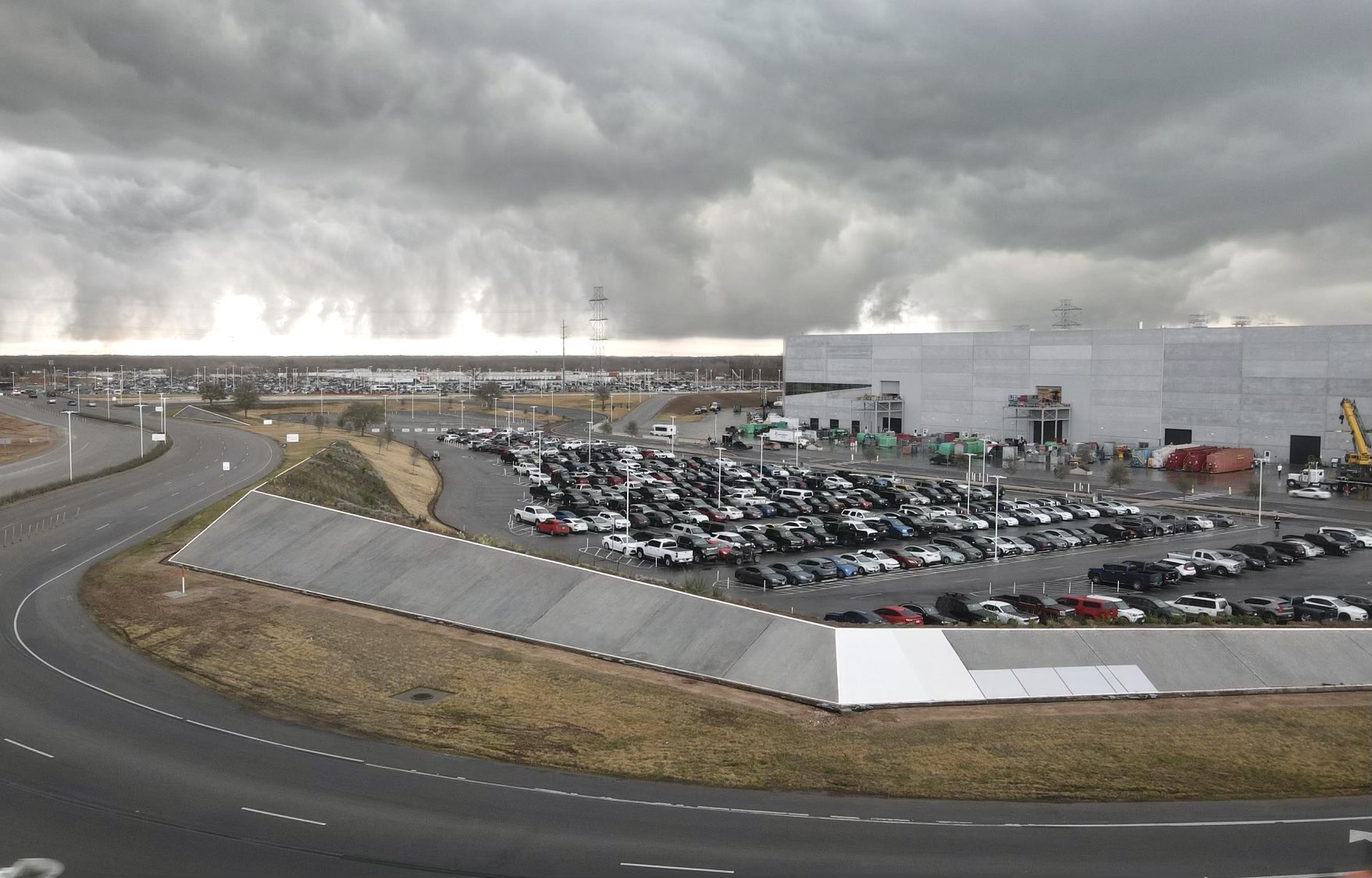
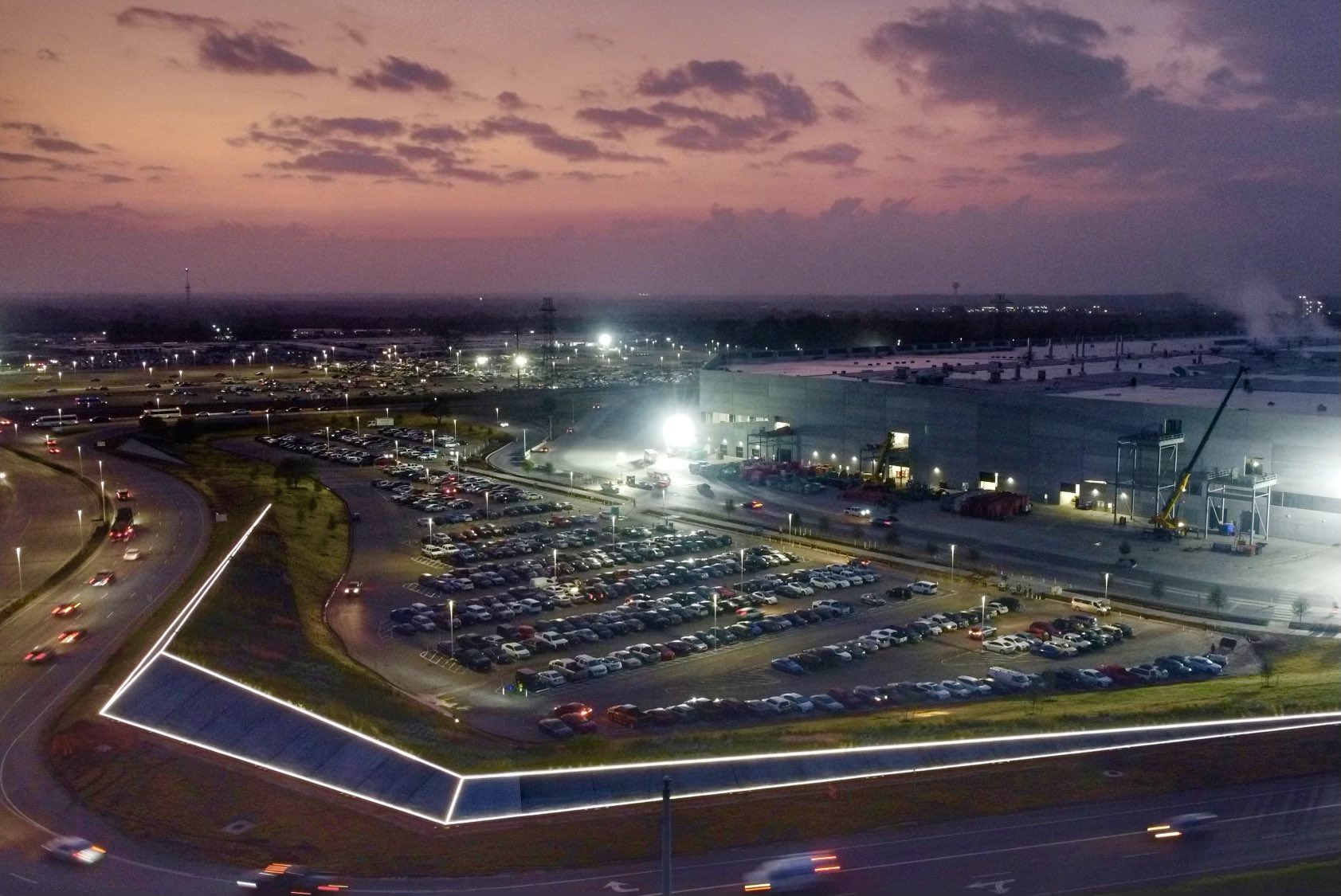
Giga Texas image courtesy J. Tegtmeyer.
Driving growth and innovation: Tesla’s expanding vision at Giga Texas
As Cybertruck ramps up, Tesla is projected to add jobs… to reach over 60,000. To support this growth, Tesla constantly improves infrastructure like widening and improving roads and adding a cyberparking garage with chargers at Giga Texas. Tesla will build over 250,000 Cybertrucks at Giga Texas, as well as continue improving and accelerating building the best-selling Model Y and eventually, the highly anticipated next-generation vehicle.
Giga Texas is the machine that builds the machine.
Giga Texas image courtesy J. Tegtmeyer.
Images courtesy Tesla, Inc. \ J. Tegtmeyer. Thank you for reading and supporting Tesla.
Gail Alfar, Author, Military Veteran. Exclusive to What’s Up Tesla – September 23, 2023. All Rights Reserved. My goal as an author is to support Tesla (the most American vehicle manufacturer) and Elon Musk in both making life better on Earth for humans and becoming a space-fairing civilization.
DOE 71-page report, Pathways to Commercial Liftoff: Virtual Power Plants
(Austin, Texas) We need energy. Our daily lives, jobs, all our meals and entertainment rely on it. Without power, I would not have enjoyed my breakfast this morning of cripsy toast and steaming hot Chai tea! Demand for electricity in our world is rising after a decade of stagnation, and there is a pressing requirement to retire fossil fuel dependence. This blog post is about the Department of Energy’s (DOE) new groundbreaking 71-page report that outlines the future of energy: Virtual Power Plants (VPPs).
Virtual Power Plants, or VPPs, may seem small, however they are poised to take center stage in the Energy Transition. At a time when the United States faces the monumental task of adding over 200 GW of peak demand power generation by 2030, and with the ambitious goal of achieving 100% clean electricity by 2035, VPPs offer a solid, and much needed, solution. By deploying 80-160 GW of VPPs within the next decade, we can triple the current scale of these powerhouses, supporting rapid electrification while simultaneously cutting grid costs.
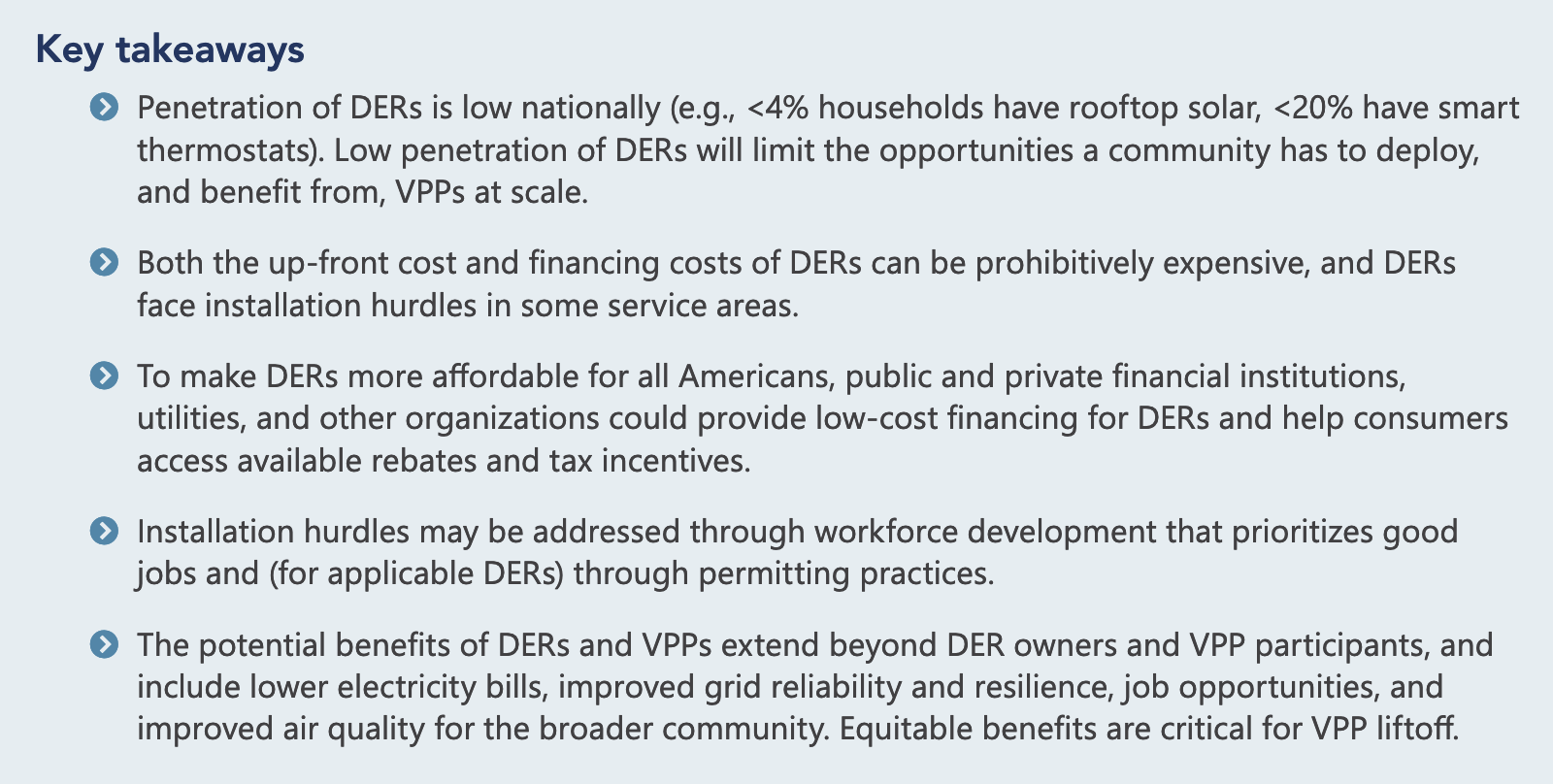
Expand DER adoption with equitable benefits, report, page 38
Breaking Down Transmission Interconnection Barriers
One of the most pressing concerns facing the power industry is the bottleneck in transmission interconnections, which averages a staggering five years. Enter VPPs. These innovative systems have the potential to alleviate this challenge by efficiently balancing supply and demand. By doing so, they can alleviate the strain on congested interconnection queues, ultimately speeding up the integration of clean energy sources.
Moreover, VPPs have the ability to curtail the need for constructing new transmission and distribution infrastructure. These costs are the fastest-growing component of the power sector, eclipsing energy and capacity expenses. As demand for electricity surges once again, meticulous management of transmission and distribution costs becomes paramount.
The Versatility of VPPs
VPPs are essentially aggregations of Distributed Energy Resources (DERs), such as rooftop solar panels, electric vehicles, smart buildings, and more. They operate on a utility scale, providing grid services that rival those of traditional power plants. While the current 30-60 GW of VPP capacity primarily serves as demand response programs, which manage DERs to balance electricity supply and demand, VPPs have the technical potential to do so much more!
VPPs are essentially aggregations of Distributed Energy Resources (DERs), such as rooftop solar panels, electric vehicles, smart buildings, and more. They operate on a utility scale, providing grid services that rival those of traditional power plants.
Beyond demand response, VPPs can reshape the landscape of the energy sector. They can shift EV charging times, dispatch excess energy back into the grid, and undertake a myriad of other functions that promise to revolutionize power distribution.
A Resilient Future
VPPs are not just about convenience; they are about sustainability and resilience. These systems can contribute to resource adequacy at a remarkably low cost, all while reducing emissions and air pollution. They empower communities to take control of their energy consumption, bringing in a new era of productivity.
For instance, imagine a VPP comprised of residential battery storage (think, Tesla Powerwalls), HVAC systems, and synchronous generators all providing peaking capacity at a fraction of the cost of natural gas, coal or oil peaker plants. The potential for efficiency and cost savings is staggering.
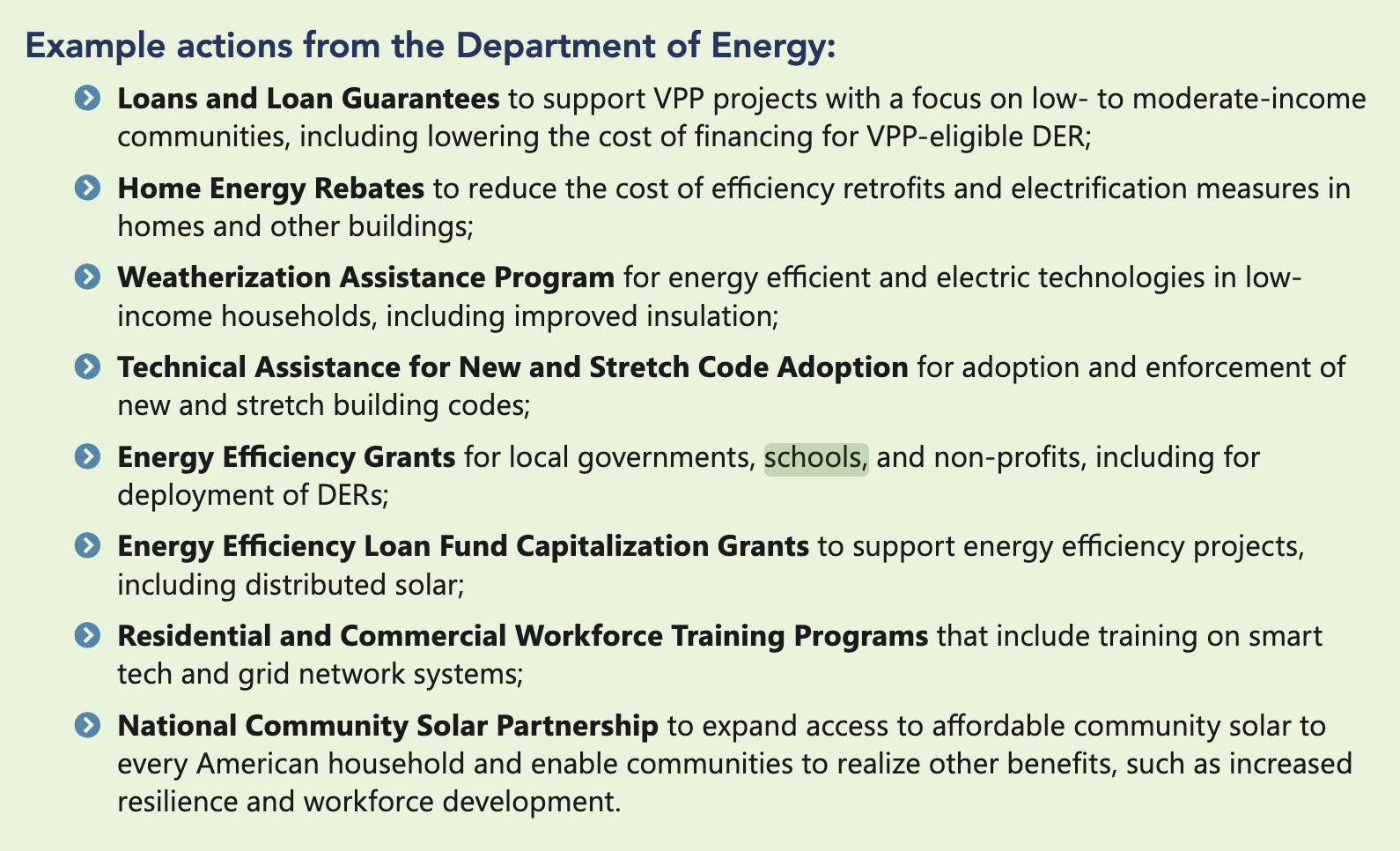
Examples of Action by the DOE. page 41 from the report.
Overcoming Regulatory Hurdles
Yet, despite their immense potential, VPPs face challenges. Limited integration into electricity system planning and market participation hampers their growth. Regulatory obstacles and a need for standardization have eroded confidence in VPPs’ among utilities.
Call to Action
The DOE’s report is more than just a glimpse into a promising future; it’s a call to action. The report outlines 5 imperatives:
expanding DER adoption,
simplifying VPP enrollment,
increasing standardization,
integrating VPPs into utility planning, and
integrating them into wholesale markets.
The report stresses the need for continued investments in next-generation DER and VPP technologies. In fact, the DOE and its collaborators have already initiated more than 20 programs designed to accelerate VPP deployment.
My thoughts
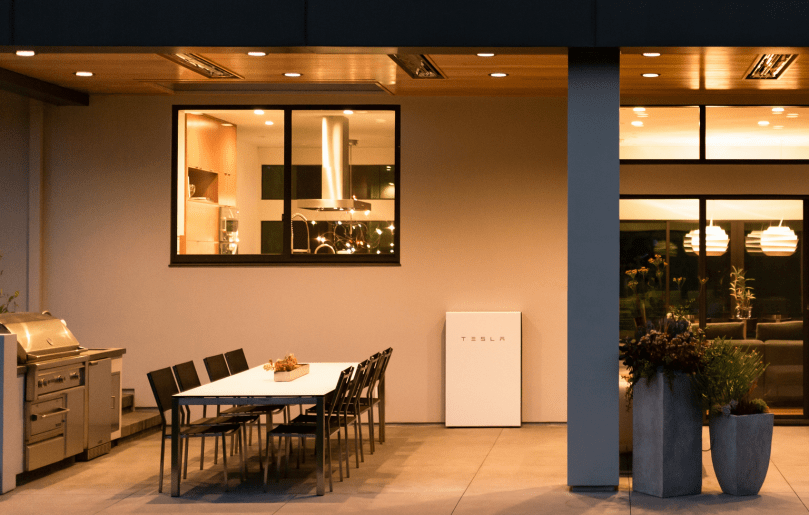
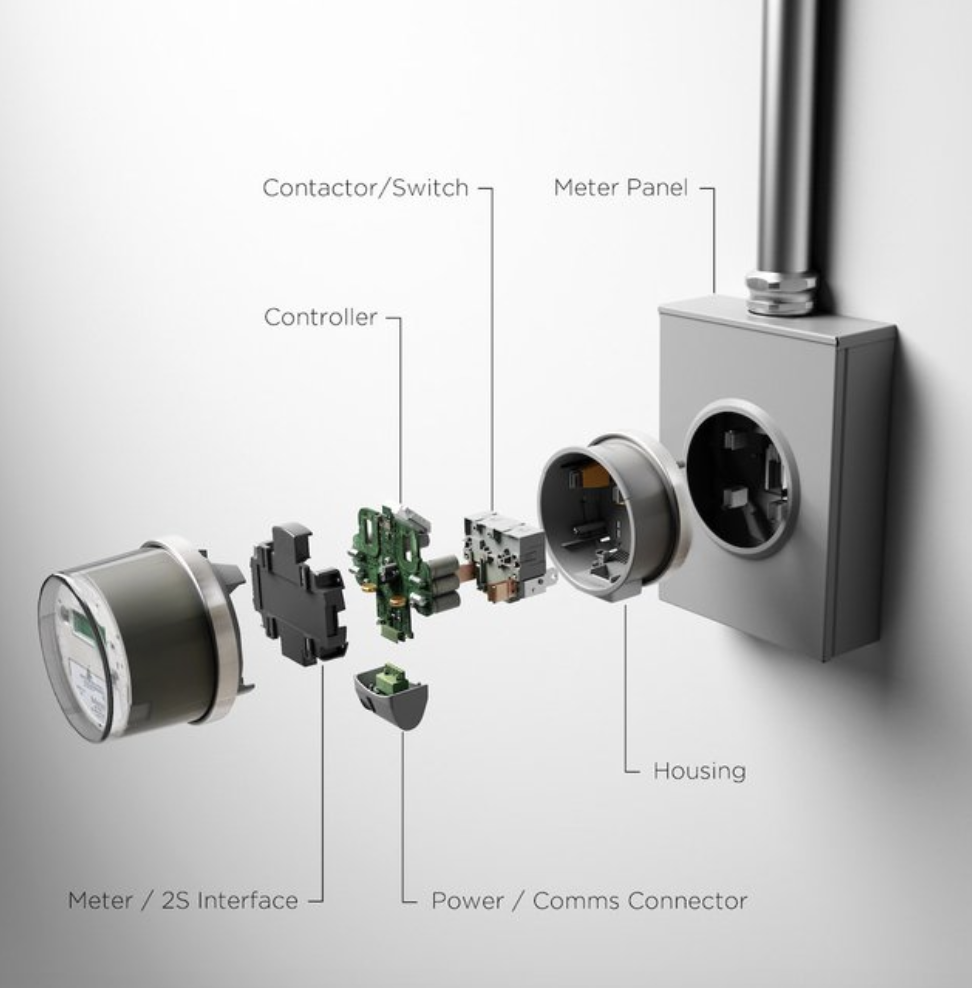
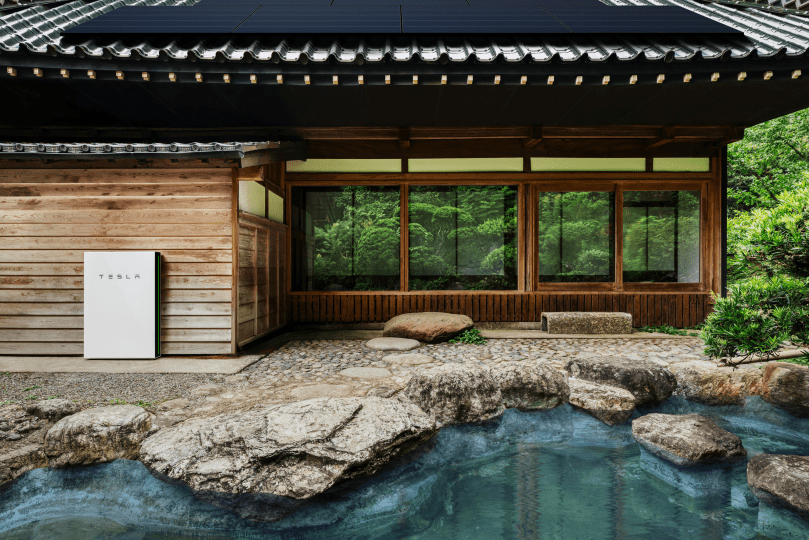
In summary, the DOE’s 71-page report is a good first start in creating a blueprint for all people and business enterprises to rethink how the grid operates. Among the many incentives listed, I would add that local utilities should encourage, not discourage lower costs for customers who are willing to spend money on installing solar and residential battery backup to their homes. Thus, the back-up switch should be adopted by all entities. Tesla’s backup switch saves time and money. You can read about how when the power went down in Austin, my lights stayed on!
backup switch image courtesy Tesla, Inc.
For your family and mine, the future is bright, not dark and austere. Yes, we are running out of our earth’s quite limited recourse of all fossil fuels. But the sun is there every day, providing unending power that we just need to harness.
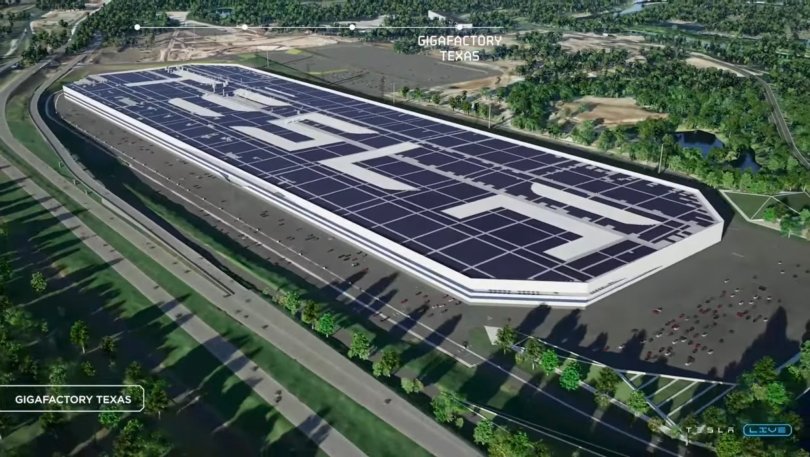
Solar Panels capture energy on top of Tesla Giga Texas
This article written by Gail Alfar, please credit accordingly. With special mention to TESLA ENERGY & Arushi Sharma Frank, Drew Baglino, and may others. Thank you to Tesla Energy for being amazing. Thank you to Elon Musk for giving Masterplan 3 to the people of earth. Images Courtesy Tesla, Inc.
By now you’ve seen the headlines about how mean Elon Musk is.
Elon Musk was ‘super mean to Gates’ after the Tesla stock feud, refused a charity request via terse text message exchange, and Gates and Musk Clash Over Philanthropy and Climate Change
Elon Musk should be a lot nicer, right?
The media are villainizing Elon Musk, agreeing with Gates that Elon was mean to Gates after he gave him a tour in Austin of the Tesla Gigafactory, which produces the Model Y and will soon produce the Cybertruck.
Read on for more, but first, welcome to my blog! As I sit relaxing here in Austin, Texas, watching the sun go down on the end of September 11, I’m watching the buildings lit up in red, white, and blue and the flags at half-staff gracing the capital of Texas.
Living in such a beautiful city, in such a wonderful country where there are so many opportunities gives rise to hope in my heart that companies that are built by Americans in America will thrive. We’ve seen this happen with Apple, everybody equates Apple with being an American brand. Bill Gates built Microsoft in this country with some of the finest talent in Silicon Valley.
Everybody thinks of Microsoft as an American company, and it would seem odd indeed to outwardly root for these two American companies to fail.
Let’s fast forward to Tesla. I’ve never seen such an incredible company receive so much negative press and hatred, simply because the workers of that company chose not to unionize. There are other reasons, people say that Elon Musk is a person who doesn’t deserve for his company to be successful, because he steps on their toes, and doesn’t agree with everybody’s generalized overall opinion. He is a change-making type of person and for Elon Musk to accelerate change, he does things that are dramatically, different and fast.
So here we are with some new information that Bill Gates has held and may still be holding an extraordinarily large stock position against Tesla.
Gates May Be Tesla’s Biggest Shortseller
Make no mistake about it, a short position to the tune of millions of dollars is designed to only succeed if Tesla fails. The money that Gates had tied up in his short position is more than millions, he had shorted Tesla by $1.5 BILLION. This may place Gates in the running to be the person who shorted Tesla by the highest amount. Gates invested so much money in trying to kill Tesla, that he makes the TSLAQ crowd on the X App look like the Three Stooges in a roadside show!
To paint Elon Musk as a villain, because he was unhappy and hurt and angry when he found out Gates did this, is poor reporting.
If Gates retains a short position today against Tesla, he has a moral obligation to close his short position and re-purpose his money for good things.
Bill Gates has spent a lot of money and energy and effort, crafting a good public image. Early on he built a reputation as somebody saving lives in different countries through vaccine programs.
Walking the Walk: Elon Musk
Elon Musk doesn’t bother to curate his “public image” in this way, because he’s busy being first and foremost, a technologist, and an engineer. He is not trying to engineer his image for the public, he’s trying to engineer an opportunity for you and your children to have hope in the future, which means everybody gets a chance to watch humanity have a base on the moon.
Elon is giving people an opportunity to see space travel originate in our country.
He is giving people an opportunity to see beautiful vehicles built in factories in the USA. He brings jobs to people who need them.
Today the news came out (this was totally ignored by the media) that Tesla generated 28,524 jobs in the last year, this is more than double the number of jobs generated by any other EV manufacturer. See the report by Inside EVs, “USA added over 188K EV-Related Jobs, Led by Tesla.”
As an American, I couldn’t imagine rooting for Elon Musk to fail, he is the inspiration and success story that we should be rooting for. We should be hoping his company succeeds, hoping his employees thrive, and hoping that the continued success of SpaceX showers down on Starship, which is man’s hope for becoming multi-planetary.
We ought to all be very grateful to Elon Musk for utilizing his unique style to greatly improve our world. If you are like me, a parent with kids, and I have five kids, you know you support each of your kids and you endeavor to see all the good in them.
ᴍᴏᴅᴇʟ ʏ ᴀᴛ ɢɪɢᴀ ᴛᴇxᴀꜱ
To sum up, Bill Gates truly has a moral obligation to close his short position on Tesla. My suggestion to Mr. Gates would be that he would repurpose those billions into something good to make up for the damage he has caused to Tesla, he should designate those funds to go towards something good. I hope you have a beautiful month of September, Enjoy your life, your friends, and your family, and find precious moments to rejuvenate yourself. I rejuvenate myself by writing, and I appreciate your readership.
Article by Gail Alfar, please credit accordingly. Gail writes on X independently, she also writes for WhatsUpX.
The energy landscape in the USA is evolving rapidly, driven by the urgent need to transition to cleaner, more reliable, and sustainable sources of power. In this pursuit, the Federal Energy Regulatory Commission (FERC) is taking steps to facilitate the integration of renewable energy sources, such as wind and solar, into the national electricity grid. Joining forces with FERC in this transformative journey is Tesla, Inc., a trailblazer in energy solutions.
Order No. 2023: Effective 11/6/2023
It’s important to note that the changes discussed in this article stem from Order No. 2023, published in the Federal Register and set to take effect on November 6, 2023. This landmark order marks a significant turning point in the quest for a more efficient and accessible energy grid [link below].
Tailoring Project Controls for Efficiency
Tesla’s involvement in these reforms goes beyond advocacy—it’s about driving actionable change. Tesla recognizes that not all energy projects are created equal, especially when it comes to non-synchronous generating facilities. In a bid to enhance efficiency and enable smarter decision-making, Tesla has requested crucial information from developers. This data includes intricate details about the number of generating facilities, power control devices, and technical specifications specific to each project. Armed with this information, developers can tailor their project controls, reducing costs and optimizing performance.
Collaboration for Knowledge Sharing
Tesla, in collaboration with American Electric Power (AEP) and the American Council on Renewable Energy (ACORE), has initiated a groundbreaking collaborative initiative. They’ve called on FERC to launch a comprehensive proceeding and host a technical conference, gathering industry experts and stakeholders. The primary objective is to identify valuable information tools, establish consistent and transparent study assumptions, share best practices, and provide guidance to less experienced interconnection customers. This collaborative effort aims to empower all players in the clean energy sector, fostering knowledge sharing and driving progress.
Batteries as Virtual Transmission
Tesla’s innovative thinking extends to considering batteries as virtual transmission resources. This visionary concept unlocks a multitude of benefits, such as providing:
emergency capacity for congested transmission lines,
efficient management of surplus energy generation, and
valuable contributions to grid stability
By embracing this concept, the energy industry can optimize existing infrastructure and bolster grid reliability, all thanks to Tesla’s forward-thinking approach.
Advanced Modeling for Precision
In collaboration with the Solar Energy Industries Association (SEIA), Tesla advocates for the widespread adoption of user-defined library RMS (root mean square current/voltage) positive sequence dynamics models. These models offer a significantly more accurate representation of the technology used by energy resources, resulting in enhanced modeling precision. This advancement is pivotal in supporting the increased adoption of renewable resources. Tesla further encourages FERC to gather comprehensive information from transmission providers about the software tools and resources required to effectively integrate user-defined RMS modeling.
A Novel Approach to Validation
Tesla introduces a pioneering approach to validation for non-synchronous generating facilities. In place of relying solely on attestations or test data, Tesla suggests a more comprehensive “model-to-model” and “product-to-model” benchmarking data submission process. This innovative method promises to streamline the validation process, ensuring greater efficiency and accuracy for both interconnection customers and regulators.
Conclusion
FERC and Tesla, Inc., are at the forefront of a clean energy revolution. Their collaborative efforts transcend advocacy, driving tangible change that benefits both the energy industry and the environment. As they continue to work hand in hand and champion cleaner energy solutions, the possibilities for a greener, more sustainable energy landscape are limitless. Order No. 2023 marks a significant leap towards a brighter, greener energy future, ushering in a new era of accessibility and efficiency in the energy sector.
Come along for a flawless drive on FSD beta 11.4.7 to check out some different electric bikes in Austin, Texas. These bikes are easy to operate and are very fast. I tested out a few bikes and really enjoyed the hospitality of the folks at the Bike Farm at 5440 Burnet Road in Austin.
Come join me for our 28th podcast with info on FSDbeta 11.4.7 and buying eBikes ⚡️🔋 pic.twitter.com/oPJ5Z6j7a6
Gail Alfar, author. Exclusive to What’s Up Tesla – All Rights Reserved. My goal as an author and podcaster is to support Tesla (the most American vehicle manufacturer) and Elon Musk in both making life better on Earth for humans and becoming a space-fairing civilization.
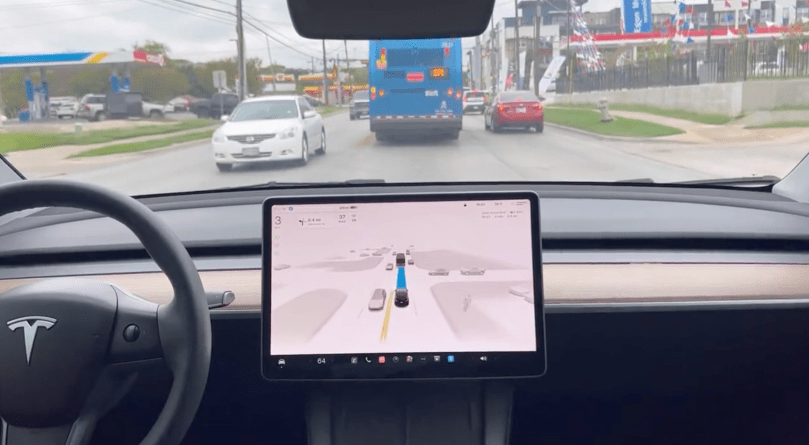
In the rapidly evolving world of renewable energy and distributed resources, Tesla, Inc. has emerged as a leader in customer care and innovation through its groundbreaking participation in the ERCOT Aggregated Distributed Energy Resource (ADER) Pilot Project in the State of Texas. Over the course of just one year, Tesla has achieved remarkable milestones, showcasing its unwavering commitment to providing exceptional service to its customers and driving the transition towards a more sustainable and reliable energy grid.
The ADER Pilot Project was initiated following discussions and directives laid out in a memorandum dated July 13, 2022, in Project No. 51603. This visionary project aimed to explore the integration of distributed energy resources into the ERCOT grid, transforming them into virtual power plants (VPPs) capable of providing essential energy and reserves. Tesla, Inc. took on the challenge with gusto, and the results are nothing short of impressive.
Pioneering the Future of Energy Participation
One of the most significant accomplishments of the ADER Pilot Project is the establishment of a mechanism for controllable Distributed Energy Resources (DERs) to actively participate in ERCOT’s 5-minute dispatch. Unlike traditional demand-side response programs, Tesla’s innovation allows individual devices to act as electricity injectors or non-injectors, responding dynamically to grid conditions with the precision expected of conventional generation resources.
Tesla’s engineers developed an ADER control system that anticipates availability and influences response every five minutes. This revolutionary system takes into account the unique characteristics, constraints, and preferences of each site and device, ensuring a response that matches or exceeds the capabilities of traditional generation or storage resources.
Setting New Standards for Grid Integration
The ADER Pilot Project also achieved milestones in collaboration with distribution utilities, ensuring safe and reliable integration of DERs. Distribution utilities played a crucial role in commissioning and operating ADERs, working closely with Tesla to develop a registration and qualification process. In under a year, Tesla established a functional process to identify potential participants, validate interconnections, maintain precise customer premise information, and verify non-overlapping demand response program participation.
This work has not only facilitated the integration of ADERs into the grid but has also provided distribution utilities with unprecedented visibility into the impacts of ADERs on their systems. This level of detailed information exchange is a testament to Tesla’s dedication to transparency and cooperation in its customer care approach.
Empowering Customers through Real-time Engagement
Customer engagement and transparency have been cornerstones of Tesla’s approach to the ADER Pilot Project. Tesla Electric customers have been empowered with knowledge about ERCOT prices, energy sellback rates, and grid conditions. They understand the significance of ERCOT’s high offer cap and the role it plays as dispatchable capacity during peak periods. Tesla’s ADER pilot has enhanced customer engagement by providing real-time information through its Tesla app.
Customers are not only connected to ERCOT markets through their devices but also through the Tesla app, which offers notifications about Tesla Powerwall deployment based on ERCOT Load Zone Price. Tesla has even introduced dynamic price settings and web-based/mobile notifications, giving customers more control and awareness of their energy consumption.
Creating Innovative Customer Incentives
Innovation doesn’t stop at grid integration; Tesla has also been at the forefront of developing customer incentives. Customers participating in the ADER Pilot Project can now receive monthly bill credits reflecting their contributions to the program. These bill credits can often exceed the value created by each customer, making it a financially attractive proposition.
Tesla’s forward-looking approach aims to retain customer engagement with consistent revenue streams while creating additional incentives for peak demand periods. By continually rewarding customers for their participation, Tesla ensures a mutually beneficial relationship with its customers, aligning their interests with grid reliability.
Paving the Way for Future Participation
Tesla’s commitment to innovation extends beyond its own customer base. The company has worked to enable third-party participation in the ADER Pilot Project, recognizing the importance of expanding ADER populations to create a sustainable and meaningful impact on ERCOT.
The project has also led to the development of precise measurement and verification processes, ensuring accurate load curtailment at a device level. This level of detail is critical for maintaining grid reliability and optimizing the use of DERs.
Challenges and the Road Ahead
While Tesla has achieved remarkable success in the first year of the ADER Pilot Project, challenges remain. The company has identified the need for higher caps to make ADERs economically viable on a larger scale. Additionally, the introduction of the Dispatchable Reliability Reserve Service (DRRS) poses new considerations for ADERs’ future revenue potential. Tesla remains dedicated to addressing these challenges and ensuring the long-term viability of ADERs in the ERCOT market.
In conclusion, Tesla, Inc.’s efforts in the ADER Pilot Project exemplify its unwavering dedication to customer care and innovation. By pioneering new standards for grid integration, empowering customers through real-time engagement, creating innovative incentives, and enabling future participation, Tesla is driving the transition towards a more sustainable and reliable energy future. As the ADER Pilot Project progresses, Tesla’s commitment to customer care and innovation will undoubtedly continue to shine as a beacon of progress in the energy industry.
ADER Task force Chair Jason Ryan and Co-Chair Arushi Sharma Frank at the PUC in Austin, Texas.
Elon Musk live streaming in Palo Alto, California.
Late Friday evening on August 25th, Elon Musk drove around Palo Alto in his Model S Tesla with white seats and a kid’s car seat in the back. This was no ordinary drive, he allowed the vehicle to drive around the idyllic town with millions of viewers!
Using his iPhone and live streaming simultaneously on the X App, he explained the vehicle’s autonomy in real-time.
I was lucky enough to not only watch the broadcast live from my home in Austin, Texas, but I also got to report on it in real time as well!
Here’s what I call my “Drive Fun Summary” of Elon Musk’s amazing live stream!
DRIVE FUN SUMMARY
Since I am a writer I seized the opportunity to write about the drive while it was happening! Enjoy! It was a pleasure to watch (link to video below)!
THE HIGHLIGHTS
The near 45-minute drive began at the Tesla Engineering HQ and Elon pinned a random spot and engaged FSD beta V12. The car passed construction flawlessly. It also slowed down for a speed bump, based on what a human would do, not based on what a line of code told it to do. He mentioned the same is true for bicycles and stop signs. The car uses the neural net to decide – like a human would – to stop at a stop sign.
At a “round-about” Elon’s car waited for 2 cars, then took its turn. Elon said there is about 100 watts of inference compute (all local) on hardware 3. Elon explained that no internet connection is needed. It uses 8 cameras at 36 frames per second. The reality of the roads are based on 24 frames per second.
Elon joked, “Hello assassins if you want to get me, head to Palo Alto.” Thankfully Elon Musk stayed safe the entire livestream.
Elon said there are FSD test drivers in Japan, Europe, and all over the world.
The vehicle drove around students who were walking around the Stanford Campus. At another round-about, Elon reassured drivers there is no line of code for this, as it is trained on data.
Elon and his AI Engineer (also presenting the car) explained that Tesla’s data curation needs to be trained on excellent data, and not mediocre data. High quality data is always selected from the fleet.
When interventions occur in the fleet, it is integrated with training and then updated with the weights.
Elon invited viewers to edit his live video and speed it up.
On the drive, Elon did not have to intervene even once. He said that with traffic lights, there’s no code in V12 to say what light colors stand for. Instead, all training is done on neural nets.
For fun, Elon decided to head over to Mark Zuckerburg’s neighborhood in real-time. When he arrived it was just a bunch of homes on a street, not really Zuck’s home, which would have been surrounded with high security.
On the ride back to the Tesla Engineering HQ, here’s the main highlights:
– Ride was super SMOOTH, with Elon playing lovely Classical music
– Palo Alto reminds Elon of the perfection seen in the movie, “The Truman Show.”
– The car was very polite/conservative with Pedestrians and bicyclists, meaning it was cartious and slow around them (and so was Elon as he did not film them).
– Training is needed all around the world as the weather in California is too nice, and situations are needed with parades, people, etc.
– A successful unprotected LEFT turn onto a high-speed road was achieved.
– V12 will be ASS (meaning Smart Summon will work well)
– Intuitive Smooth speed-up in places (different than posted speed)
– Elon had lovely music playing (we would love Elon’s Playlist!)
– Tesla Engineering HQ is at the “former HP headquarters.” (an honor for Tesla). Note the Tesla HQ is Austin, Texas.
– Tesla parking lot was pretty full, even at 7 p.m. on a Friday night. How did FSD beta do, getting into the hectic parking lot? It went perfectly to the “pinned” spot!
– Pure AI driving does NOT have to have a map. It can do what a human would also do without a map.
If you would like to watch this video, you can here:
Elon Musk live stream in a Tesla on August 25, 2023.
Save with Gail's Referral. Order Tesla products with Gail's Referral Link to earn cash off your order plus exclusive referral benefits. ts.la/gail74884
Here are a few more screen shots from the drive.
In this article, I’ll provide you with tips to optimize the performance, and reliability of your EV, whether you live in a hot region or elsewhere. I live in Texas where it has been over 105 °F many days in a row (over 40° C). My Tesla runs great in extreme heat!
How do I prefer to have my Tesla serviced? I use the Tesla Mobile Service feature and specifically request service when I am at work. Why then? I personally trust and know the Mobile Service technicians, they are reliable, consistent, and professional. Once you develop a trust relationship, it is gold!
Tip 1: Check and Refresh Cabin Air Filters
If you or your family members suffer from seasonal allergies, maintaining clean and fresh air inside your vehicle becomes crucial. Regularly inspect and replace the cabin air filters or HEPA filters according to the manufacturer’s instructions. Over time, dust, pollen, and other particles can accumulate, reducing the filter’s effectiveness. For example, Tesla recommends replacing the cabin air filter in Model Y and Model 3 every 2 years and the HEPA filter every 3 years. Be sure to consult your vehicle’s recommendations for optimal air filtration.
Tip 2: Tire Rotation, Balance, and Wheel Alignment
Proper tire maintenance is essential for optimal performance and durability, especially in hot weather. Refer to your car’s manufacturer recommendations for tire rotation intervals and follow them accordingly. Tesla, for instance, suggests rotating tires every 6,250 miles or if the tread depth difference reaches 2/32 inches or more. Additionally, ensure your wheels are balanced and aligned to maintain optimum steering and handling. Vibrations caused by unbalanced or misaligned wheels can compromise safety. Frequent tire servicing may be necessary if you engage in aggressive driving.
Tip 3: Brake Fluid Test
Image Courtesy Zach on X @blkmdl3
Regular brake fluid contamination tests are good to ensure brake safety. Perform this test every 2 years to identify any potential issues such as moisture, dirt, or contaminants that can impact brake performance. Addressing these issues promptly can prevent corrosion and potential brake failure, ensuring the continued smooth operation of your brakes.
Tip 4: Air Conditioning Service
Your EV’s air conditioning (A/C) system plays a vital role in hot weather. It helps dehumidify the cabin and enhances overall cooling performance. Follow the recommended replacement schedules for components like the A/C desiccant bag to maintain efficient A/C operation. Replace the desiccant bag as per the manufacturer’s guidelines, such as every 4 years for Tesla Model 3 and Model Y (6 years for Model 3 produced between 2017 and 2021 without a heat pump).
Bonus Tip 5: Schedule Brake Caliper Cleaning and Lubricating
Though this article primarily focuses on hot weather, it’s worth mentioning this bonus tip for cold weather regions. Harsh conditions like freezing temperatures, snow, ice, and road salt can accelerate wear and corrosion on brake calipers. To ensure optimal performance and longevity of your braking system, schedule a cleaning and lubrication of all brake calipers every 12 months or 12,500 miles.
Remember to also maintain your charging equipment. Regularly inspect the charging cables, connectors, and adapters for any signs of wear, damage, or dirt buildup. Keeping the charging port clean with a soft brush or cloth will help ensure an uninterrupted charging connection, allowing for efficient charging and optimal vehicle performance.
If you liked this article, follow and subscribe to @gailalfaratx on X. Thank you! All images used with permission from @blkmdl3
Your Tesla Battery is Guaranteed. It is built to serve your needs. Whether you have 2170, 4680, or LFP batteries in your Tesla, it comes with a warranty. Here are the details, taken today from the Tesla website.
These warranties cover the repair or replacement necessary to correct defects in the materials or workmanship of any parts manufactured or supplied by Tesla, which occur under normal use.
FACT: The existing warranty on any Tesla is transferred to the new owner if you purchase the vehicle from Tesla.
Tesla says in the 2021 Impact Report,
“Our batteries are designed to function for the entire life of the vehicle. Tesla’s battery packs are designed to outlast the vehicle.
We estimate that a vehicle gets scrapped after approximately 200,000 miles of usage in the U.S. and roughly 150,000 miles in Europe.
Creating a battery that could last for 1,000,000 miles (4,000 charging cycles) would dramatically reduce the emissions per mile driven for high-mileage vehicles such as taxis, delivery vans, or trucks.”
Range varies on Tesla vehicles for many reasons. For example, if your Model Y was bought with a range of ~318 miles on the battery. You should expect your vehicle will retain a range of over 222 miles by the time you reach 120,000 miles. In the rare case that your Y does not then know that Tesla will replace the battery for free. Tesla may also decide to replace your battery if it has a defect or problem like the inability to charge.
The Average EV Will Never Need A Battery Replacement
It is a myth to assume that the average EV needs a battery replacement at some point in its life, according to Tesla,
“Extending the life of a battery pack is a superior option to recycling for both environmental and business reasons. For those reasons, before decommissioning a consumer battery pack and sending it for recycling, Tesla does everything it can to extend the useful life of each battery pack.
Any battery that is no longer meeting a customer’s needs can be serviced by Tesla at one of our service centers around the world.
None of our scrapped lithium-ion batteries go to landfill, and 100% are recycled.”
Tesla Batteries Are Recycled
Tesla says in their 2021 Impact Report,
“Every battery used in R&D or returned from the field that cannot be remanufactured is recycled. Tesla batteries, including the battery packs in our vehicles and our energy storage products, are made to last many years, and therefore, we have received a limited number of them back from the field. Most batteries that Tesla recycles today are pre-consumer, coming to us through R&D and quality control. None of our scrapped lithium-ion batteries go to landfills and 100% are recycled.”
Image Courtesy Tesla, Inc.
My Thoughts about Different Batteries
Which battery is better in a Tesla? 2170, 4680, or LFP? My opinion is that it is an advantage to be able to charge to 100% daily and the LFP battery is the only one that can do this safely. However, if you live where you cannot plug in at night and slow charge till the morning, LFPs are not much of an advantage to you. LFPs are also denser, and heavier, leading to slightly less range their weight means that your vehicle’s tires may need changing sooner. On the flip side, the 2170 batteries also have my heart. Both my Tesla vehicles have 2170s and I am satisfied with their reliable performance. Then we have the revolutionary new 4690 batteries which delightfully form the structural pack for most of the best-selling Model Y vehicles. These are known to be more efficient than the 2170’s so they are an advantage as well. As you can see, all Tesla vehicle batteries are great and in the end, you won’t notice which batteries you are using, but you will notice the safety, speed, comfort, and precision of your Tesla. This matters more than the battery beneath your seats.
Enjoy your Tesla, Do Not Worry
I am very happy with my two Tesla vehicles, a 2022 Model Y and a 2020 Model 3 Rear-Wheel Drive that was bought with a range of 250 miles on the battery. My Model 3 battery currently retains 86% of its original range of 216 miles. I expect my Model 3 will retain a range of over 175 miles by the time I reach 100,000 miles.
I was in part inspired to write this article by Sofiaan Fraval who had his Model 3’s battery replaced under Tesla’s warranty, “Although it’s not new info, it’s often forgotten about or overlooked over time. I just got a pack replacement for my 3 under warranty and cost me $0. It actually bumped my range up by 11 miles and the car charges quicker. Super happy about it.” Sofiaan advises, “Tesla owners needn’t worry about battery packs, and should fully enjoy their Teslas!”