
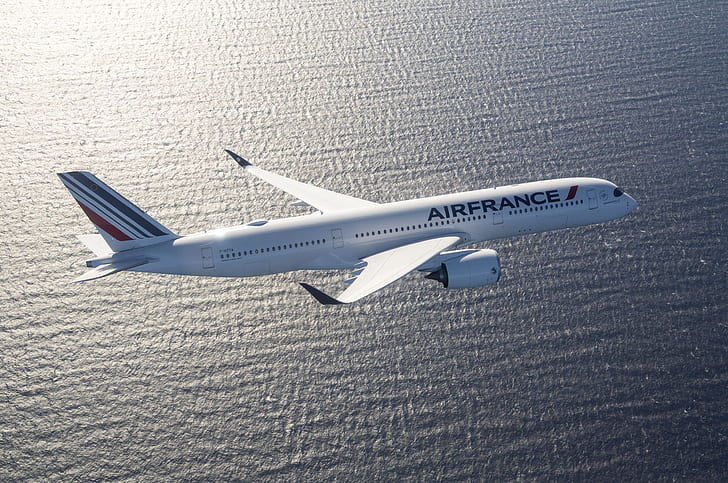
For generations of French professionals, families, and students traveling from Paris or other mainland cities to the sunny shores of Guadeloupe, Martinique, or the distant beauty of Réunion, crossing the ocean has often meant many hours completely cut off from the world.
Emails went unanswered, parents couldn’t check on children back home, and important moments simply had to wait until wheels touched the ground.
That era is coming to an end. Air France is steadily bringing free, high-speed internet to its planes. Roughly 30 percent of the fleet already offers this reliable service, with ambitious plans to equip every aircraft by the end of 2026. Flying Blue members can connect at no extra charge, whether traveling in economy or higher classes.
Those on equipped aircraft are noticing a meaningful shift. They stay productive with work, enjoy seamless entertainment, and remain close to family and colleagues throughout the journey. Clear evidence of the difference comes from United Airlines, where more than seven million passengers have experienced the service across 129,000 flights, leading to nearly doubled satisfaction scores for in-flight connectivity.
Around the world, more than 40 airlines have now chosen this same technology, marking a major step forward in aviation.
French travelers who rely on these long routes are gaining the most practical benefits: reclaimed work time, reduced worry about being unreachable, and journeys that feel far less isolating. Hours once lost in the sky are now filled with purpose and connection.
This transformation brings real hope for the future of travel. It’s a powerful reminder of what becomes possible when bold innovation meets human needs, thanks in large part to Elon Musk and the talented engineers at SpaceX, whose commitment to connecting people everywhere continues to make the world feel smaller and safer, even at 35,000 feet.
 whatsuptesla.com