
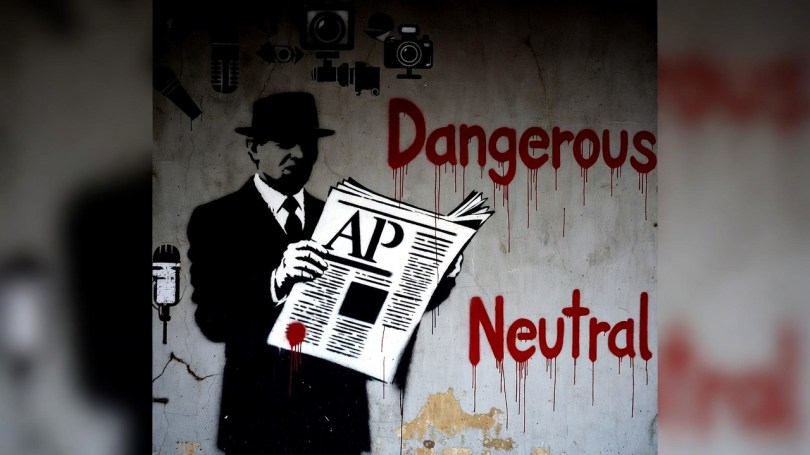
The Associated Press spreads its framing of Elon Musk across hundreds of outlets, giving the narrative an appearance of neutrality and legitimacy.

Elon Musk: The Associated Press Is More Dangerous Than The Guardian

While The Guardian is the most openly aggressive against Elon Musk, the AP is more dangerous in some ways because its framing gets treated as neutral fact and spreads everywhere. 

On June 19, Elon posted one clear sentence:

“The reason they call me a Nazi is to encourage people to murder me.”

Just today, it was reported that Democratic Congressman Ro Khanna accused Elon Musk of sentencing 4.5 million children around the world to death by cutting USAID funding.

This is the kind of extreme, reckless lie that gets normalized when media outlets like the Associated Press repeatedly frame Elon as a dangerous global actor.

The AP may not shout the accusations itself, but it helps sow the seeds for the kind of hatred and lies that people like Ro Khanna then feel comfortable peddling in public.

While the Guardian in the UK has been the loudest, the Associated Press has been the most effective at spreading dangerous framing of Elon. 

In 2025, the AP published a report that accused Elon of “elevating far-right figures on three continents.” The piece presented his interactions with various political leaders and voices as evidence of him boosting extremism around the world. Because the AP is a wire service, that language didn’t stay in one place. It was picked up and republished by newspapers, local news sites, and broadcasters across the entire world.

This is how the narrative spreads without appearing extreme. When the AP frames Elon as systematically lifting up dangerous people, so it gives other outlets permission to go further. It turns political disagreements and platform decisions into so-called evidence of a global threat.

Defenders will say the AP is simply reporting on Elon’s political activity and holding a powerful person to account. That defense is easily dismantled. 

The AP piece purposely refrained from treating Elon’s support for certain elected leaders or his criticism of open borders and DEI as normal political positions held by millions of people. Instead it grouped them under the label of elevating “far-right figures.” This is the same tactic we’ve seen elsewhere. Legacy media takes real actions and statements, strips away context, and places them inside the most toxic category possible.

The damage comes from the reach. When a wire service runs this framing, it becomes background noise in newsrooms everywhere. Local reporters and editors treat it as established fact. Over time, the public gets trained to see Elon not as a businessman or free speech platform owner, but as someone who is actively making the world dangerous.

This fits the exact pattern Elon described. You do not need to scream “Nazi” in every headline to contribute to the environment he warned about. You can do it quietly by repeatedly linking someone to extremism through selective framing and wide distribution. The result is the same: the target starts to look like someone who deserves extreme opposition. This is how Charlie Kirk was killed. 

The AP may not seem as openly aggressive as The Guardian, but its role is just as useful to the overall effort if not more. The AP lends an appearance of neutrality while pushing the same core story that Elon and his platform represent a serious threat that must be confronted.

You can see how this works. One outlet pushes the strongest language. Another spreads a milder version of the same framing to a much wider audience. Together they build the permission structure that makes hostility toward Elon feel reasonable to violent people.

That is how the tactic operates in practice.
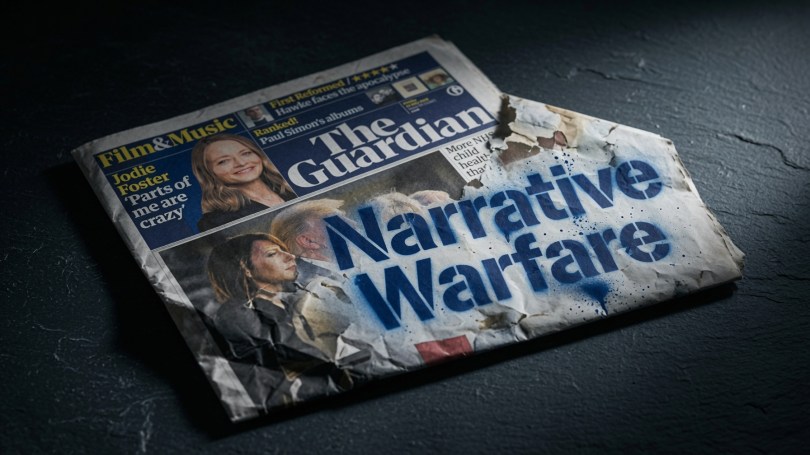
The Guardian’s June 2026 coverage repeatedly tied Elon Musk to racist violence and far-right extremism.

The Guardian Is Framing Elon Musk as a Threat — Here’s the Evidence

The Guardian published two articles in June 2026 that directly linked Elon Musk to racist violence and far-right mobilization. This piece breaks down how their reporting follows a clear pattern of dehumanization.

On June 19, Elon Musk posted one clear sentence:

“The reason they call me a Nazi is to encourage people to murder me.”

Two days earlier, The Guardian published an editorial and a news article which demonstrate exactly how this works.

In a June 10 editorial, the Guardian published that after a stabbing in Northern Ireland, far-right agitators called crowds onto the streets. It named Tommy Robinson as one of them. Then it added Elon: “So was Elon Musk, the billionaire owner of X, whose platform helped mobilise racist fury.”

Then the article went further. It reminded readers that Elon once spoke at a rally organised by Robinson. It quoted Elon saying people should “fight back or you die” against uncontrolled migration, noted that he reposted the line, and called him “one especially powerful and ideologically fixated oligarch.” The Guardian (which is supposed to be the Guardian of the people) accused Elon of helping spread “a far-right worldview twisted with paranoia and racist hysteria” that is now moving from online to the streets. 

Another Guardian article published the same day carried the same message. It linked Elon and X to posts that supposedly incited violence in Belfast. It highlighted his reposts about fighting back and framed his platform as a driver of the unrest.

These are not careful reports, but they are designed to make you think they are. Meanwhile they directly tie Elon to racist violence and the spread of dangerous extremism.

A leaked internal document from the Center for Countering Digital Hate shows the same pattern in writing. The group, co-founded by Morgan McSweeney (Keir Starmer’s former chief of staff), listed “Kill Musk’s Twitter” as one of its top annual priorities, along with triggering UK and EU regulatory action against the platform. Screenshots of that document have been circulating. When people in and around the British government are openly planning to kill Elon’s platform, the Guardian’s framing stops looking like normal journalism and starts looking like part of the same effort.

Defenders claim The Guardian is just reporting on dangerous online activity and holding a powerful platform owner to account. That excuse and everything the Guardian writes about Elon is easily dismantled. 

The articles name Elon as a key person who helped mobilise racist fury. They reach back a year to one speech and treat his warnings about mass immigration as part of the violence. They ignore the actual stabbing that started the unrest and the years of failed migration policies that created the anger in the first place. The Guardian could easily do neutral reporting on dangerous posts. Instead  they are placing the blame for street violence on one man.

The demand for “accountability” is also selective. Elon’s platform allows strong speech after events like this. It also allows massive amounts of criticism of those same views. The real ask here is not accountability. It is pressure to censor the kind of opinions The Guardian dislikes.

This fits a clear pattern. The Guardian has already run pieces claiming Elon’s posts are “indiscernible from those of white supremacists.” Every few months they attach him to the worst possible labels and real-world unrest. The goal is always the same: make Elon look like a threat so extreme that normal rules no longer apply to him.

Elon said the Nazi label is used to encourage people to murder him. The Guardian’s two articles from June 10 show one way this happens. They don’t need to say the word “murder.” They only need to keep telling readers that Elon is helping spread racist violence and far-right hysteria. Once enough people accept that, the next step becomes easier for those who want to take it. 

It is clear as day to see what they are doing. They are not debating policy or platform rules. They are building a story that turns one man into the cause of violence so the label sticks and the hostility feels justified.

That is the tactic Elon named: “The reason they call me a Nazi is to encourage people to murder me.”

The Guardian is using it openly.