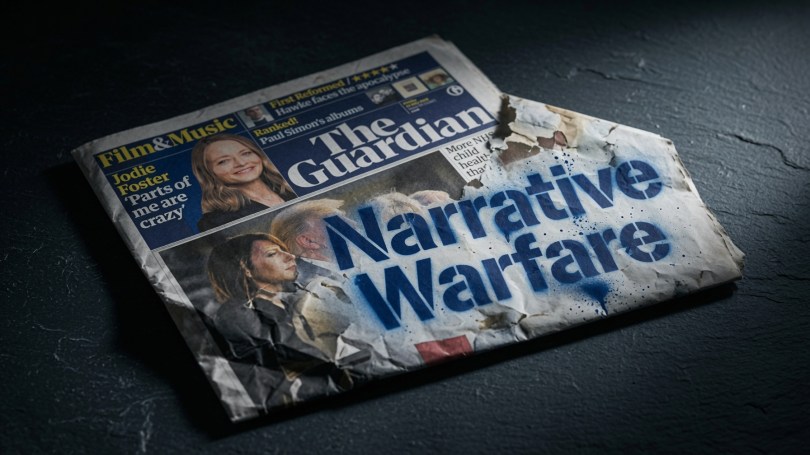
The Guardian published two articles in June 2026 that directly linked Elon Musk to racist violence and far-right mobilization. This piece breaks down how their reporting follows a clear pattern of dehumanization.
On June 19, Elon Musk posted one clear sentence:
“The reason they call me a Nazi is to encourage people to murder me.”
Two days earlier, The Guardian published an editorial and a news article which demonstrate exactly how this works.
In a June 10 editorial, the Guardian published that after a stabbing in Northern Ireland, far-right agitators called crowds onto the streets. It named Tommy Robinson as one of them. Then it added Elon: “So was Elon Musk, the billionaire owner of X, whose platform helped mobilise racist fury.”
Then the article went further. It reminded readers that Elon once spoke at a rally organised by Robinson. It quoted Elon saying people should “fight back or you die” against uncontrolled migration, noted that he reposted the line, and called him “one especially powerful and ideologically fixated oligarch.” The Guardian (which is supposed to be the Guardian of the people) accused Elon of helping spread “a far-right worldview twisted with paranoia and racist hysteria” that is now moving from online to the streets.
Another Guardian article published the same day carried the same message. It linked Elon and X to posts that supposedly incited violence in Belfast. It highlighted his reposts about fighting back and framed his platform as a driver of the unrest.
These are not careful reports, but they are designed to make you think they are. Meanwhile they directly tie Elon to racist violence and the spread of dangerous extremism.
A leaked internal document from the Center for Countering Digital Hate shows the same pattern in writing. The group, co-founded by Morgan McSweeney (Keir Starmer’s former chief of staff), listed “Kill Musk’s Twitter” as one of its top annual priorities, along with triggering UK and EU regulatory action against the platform. Screenshots of that document have been circulating. When people in and around the British government are openly planning to kill Elon’s platform, the Guardian’s framing stops looking like normal journalism and starts looking like part of the same effort.
Defenders claim The Guardian is just reporting on dangerous online activity and holding a powerful platform owner to account. That excuse and everything the Guardian writes about Elon is easily dismantled.
The articles name Elon as a key person who helped mobilise racist fury. They reach back a year to one speech and treat his warnings about mass immigration as part of the violence. They ignore the actual stabbing that started the unrest and the years of failed migration policies that created the anger in the first place. The Guardian could easily do neutral reporting on dangerous posts. Instead they are placing the blame for street violence on one man.
The demand for “accountability” is also selective. Elon’s platform allows strong speech after events like this. It also allows massive amounts of criticism of those same views. The real ask here is not accountability. It is pressure to censor the kind of opinions The Guardian dislikes.
This fits a clear pattern. The Guardian has already run pieces claiming Elon’s posts are “indiscernible from those of white supremacists.” Every few months they attach him to the worst possible labels and real-world unrest. The goal is always the same: make Elon look like a threat so extreme that normal rules no longer apply to him.
Elon said the Nazi label is used to encourage people to murder him. The Guardian’s two articles from June 10 show one way this happens. They don’t need to say the word “murder.” They only need to keep telling readers that Elon is helping spread racist violence and far-right hysteria. Once enough people accept that, the next step becomes easier for those who want to take it.
It is clear as day to see what they are doing. They are not debating policy or platform rules. They are building a story that turns one man into the cause of violence so the label sticks and the hostility feels justified.
That is the tactic Elon named: “The reason they call me a Nazi is to encourage people to murder me.”
The Guardian is using it openly.

