

DOE 71-page report, Pathways to Commercial Liftoff: Virtual Power Plants
(Austin, Texas) We need energy. Our daily lives, jobs, all our meals and entertainment rely on it. Without power, I would not have enjoyed my breakfast this morning of cripsy toast and steaming hot Chai tea! Demand for electricity in our world is rising after a decade of stagnation, and there is a pressing requirement to retire fossil fuel dependence. This blog post is about the Department of Energy’s (DOE) new groundbreaking 71-page report that outlines the future of energy: Virtual Power Plants (VPPs).
I love learning about the future of power generation and distribution and I think you will too. I have simplified the report, titled “Pathways to Commercial Liftoff: Virtual Power Plants” in this post.
The Energy Transition’s Game-Changer
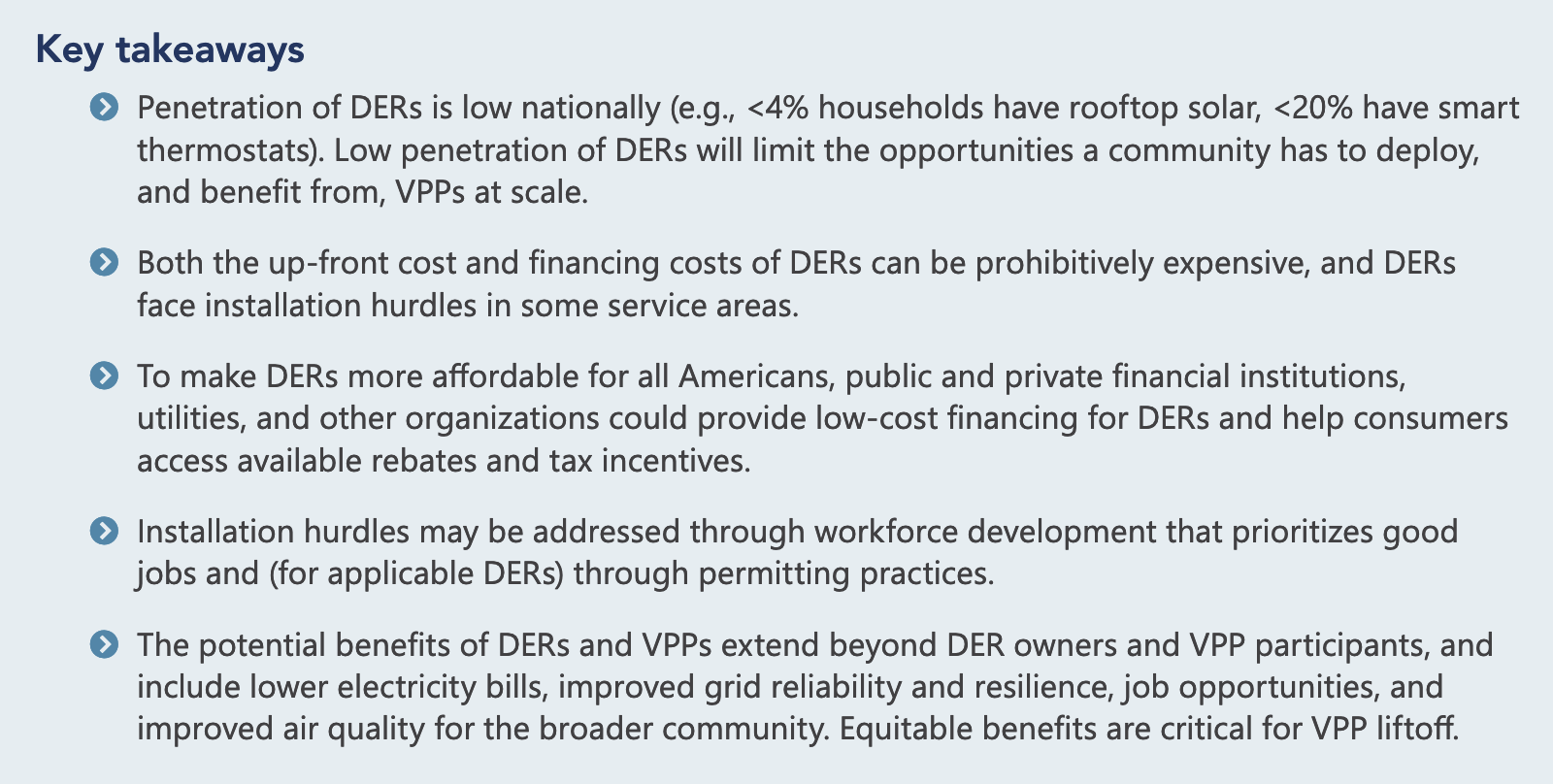
Virtual Power Plants, or VPPs, may seem small, however they are poised to take center stage in the Energy Transition. At a time when the United States faces the monumental task of adding over 200 GW of peak demand power generation by 2030, and with the ambitious goal of achieving 100% clean electricity by 2035, VPPs offer a solid, and much needed, solution. By deploying 80-160 GW of VPPs within the next decade, we can triple the current scale of these powerhouses, supporting rapid electrification while simultaneously cutting grid costs.
Breaking Down Transmission Interconnection Barriers
One of the most pressing concerns facing the power industry is the bottleneck in transmission interconnections, which averages a staggering five years. Enter VPPs. These innovative systems have the potential to alleviate this challenge by efficiently balancing supply and demand. By doing so, they can alleviate the strain on congested interconnection queues, ultimately speeding up the integration of clean energy sources.
Moreover, VPPs have the ability to curtail the need for constructing new transmission and distribution infrastructure. These costs are the fastest-growing component of the power sector, eclipsing energy and capacity expenses. As demand for electricity surges once again, meticulous management of transmission and distribution costs becomes paramount.
The Versatility of VPPs
VPPs are essentially aggregations of Distributed Energy Resources (DERs), such as rooftop solar panels, electric vehicles, smart buildings, and more. They operate on a utility scale, providing grid services that rival those of traditional power plants. While the current 30-60 GW of VPP capacity primarily serves as demand response programs, which manage DERs to balance electricity supply and demand, VPPs have the technical potential to do so much more!
VPPs are essentially aggregations of Distributed Energy Resources (DERs), such as rooftop solar panels, electric vehicles, smart buildings, and more. They operate on a utility scale, providing grid services that rival those of traditional power plants.
Beyond demand response, VPPs can reshape the landscape of the energy sector. They can shift EV charging times, dispatch excess energy back into the grid, and undertake a myriad of other functions that promise to revolutionize power distribution.
A Resilient Future
VPPs are not just about convenience; they are about sustainability and resilience. These systems can contribute to resource adequacy at a remarkably low cost, all while reducing emissions and air pollution. They empower communities to take control of their energy consumption, bringing in a new era of productivity.
For instance, imagine a VPP comprised of residential battery storage (think, Tesla Powerwalls), HVAC systems, and synchronous generators all providing peaking capacity at a fraction of the cost of natural gas, coal or oil peaker plants. The potential for efficiency and cost savings is staggering.
Overcoming Regulatory Hurdles
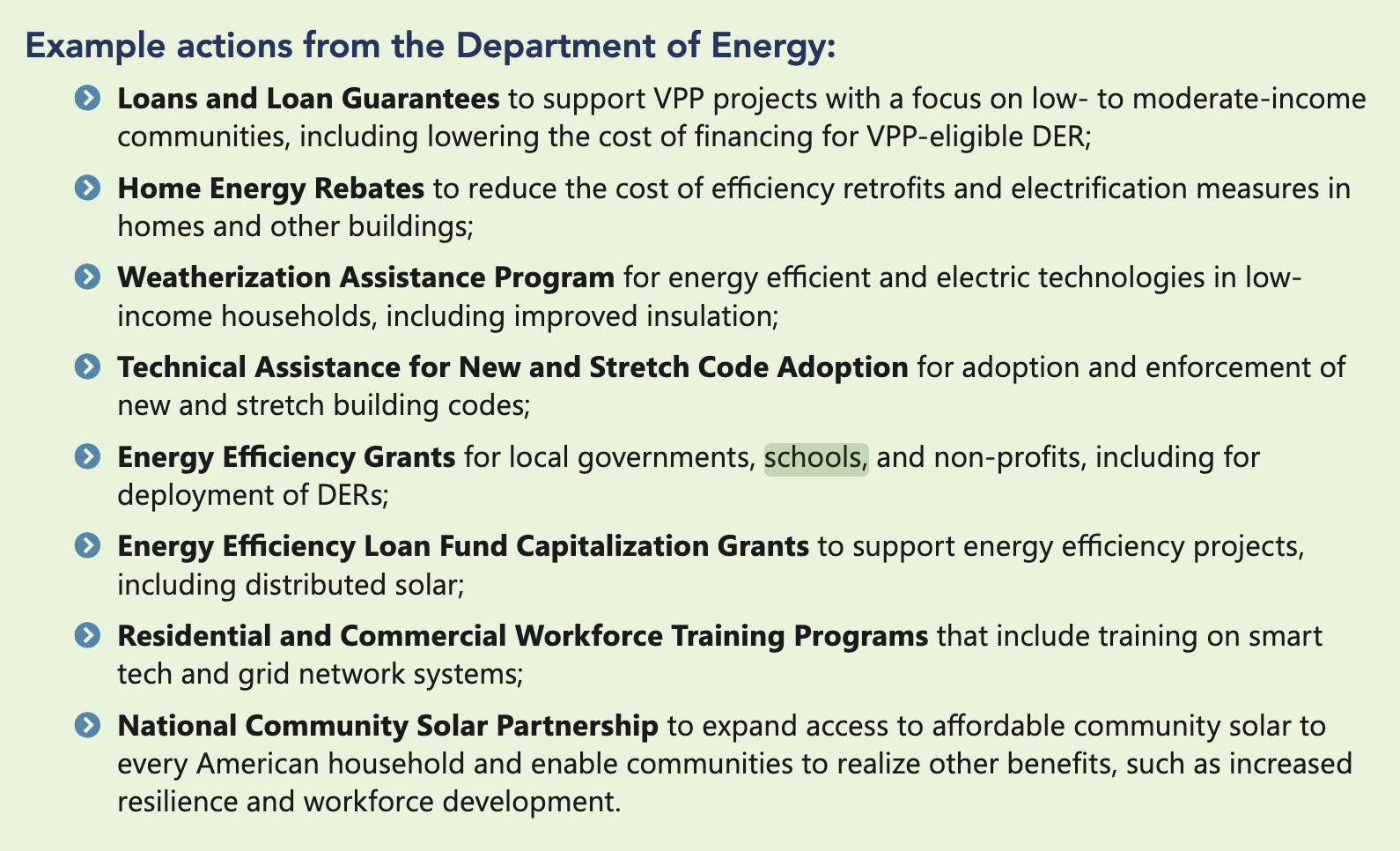
Yet, despite their immense potential, VPPs face challenges. Limited integration into electricity system planning and market participation hampers their growth. Regulatory obstacles and a need for standardization have eroded confidence in VPPs’ among utilities.
Call to Action
The DOE’s report is more than just a glimpse into a promising future; it’s a call to action. The report outlines 5 imperatives:
expanding DER adoption,
simplifying VPP enrollment,
increasing standardization,
integrating VPPs into utility planning, and
integrating them into wholesale markets.
The report stresses the need for continued investments in next-generation DER and VPP technologies. In fact, the DOE and its collaborators have already initiated more than 20 programs designed to accelerate VPP deployment.
My thoughts
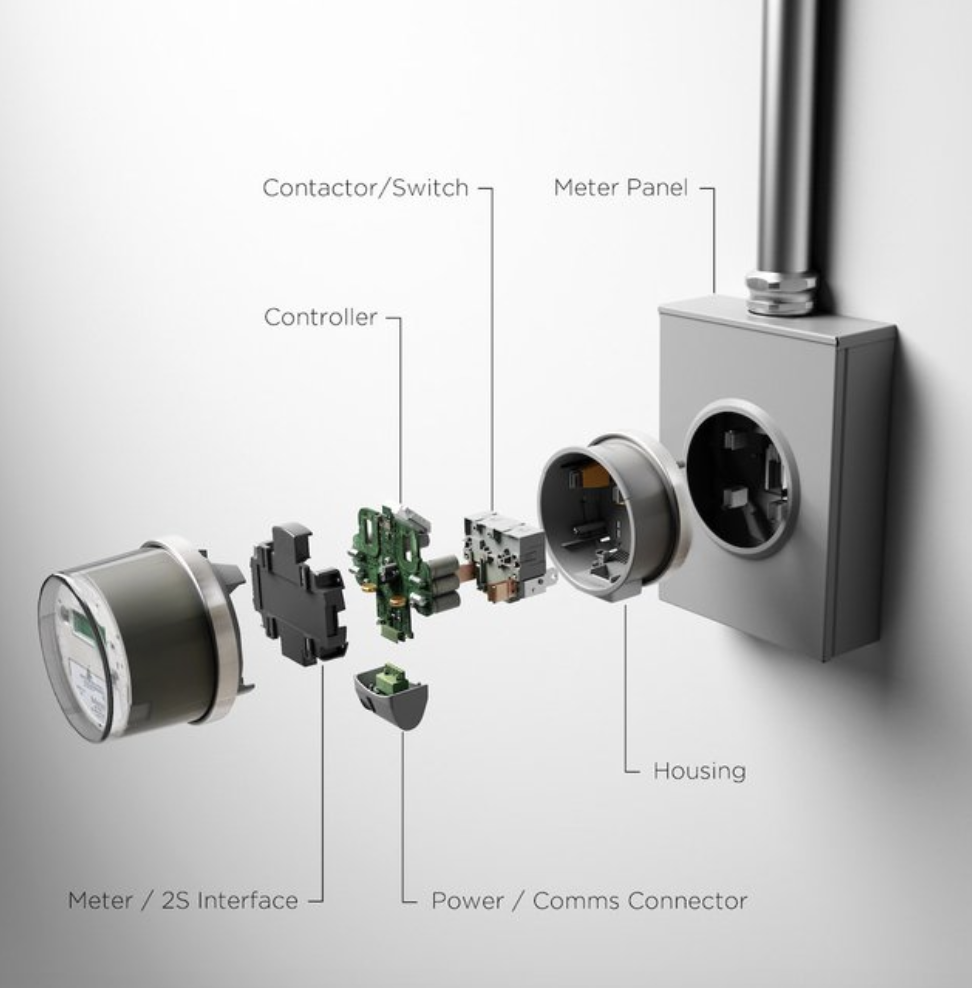
In summary, the DOE’s 71-page report is a good first start in creating a blueprint for all people and business enterprises to rethink how the grid operates. Among the many incentives listed, I would add that local utilities should encourage, not discourage lower costs for customers who are willing to spend money on installing solar and residential battery backup to their homes. Thus, the back-up switch should be adopted by all entities. Tesla’s backup switch saves time and money. You can read about how when the power went down in Austin, my lights stayed on!
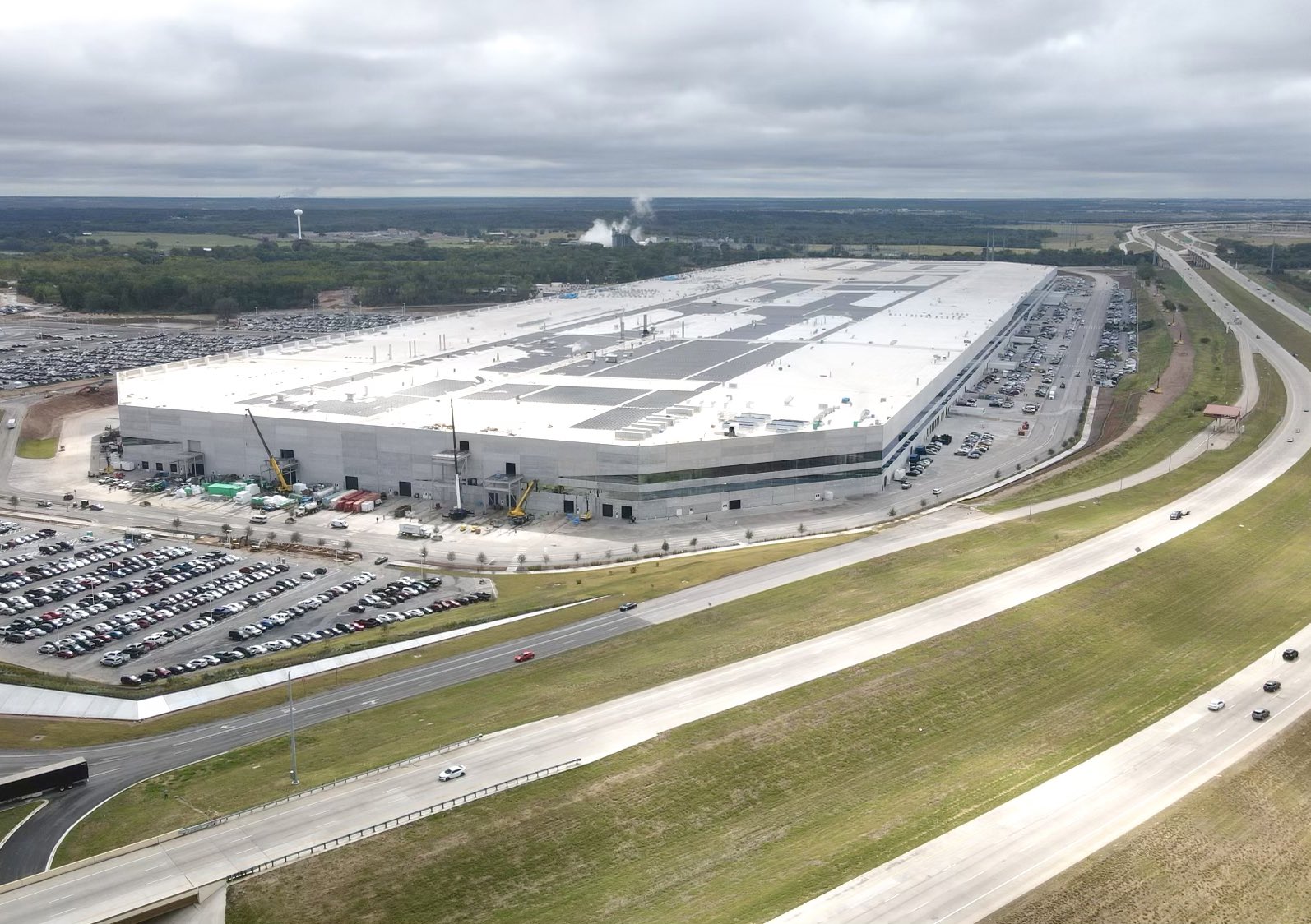
For your family and mine, the future is bright, not dark and austere. Yes, we are running out of our earth’s quite limited recourse of all fossil fuels. But the sun is there every day, providing unending power that we just need to harness.
This article written by Gail Alfar, please credit accordingly. With special mention to TESLA ENERGY & Arushi Sharma Frank, Drew Baglino, and may others. Thank you to Tesla Energy for being amazing. Thank you to Elon Musk for giving Masterplan 3 to the people of earth. Images Courtesy Tesla, Inc.
 whatsuptesla.com
[…] Virtual Power Plants (VPPs). A solution for reliable and less expensive power for all. […]
LikeLike
The problem I have with Tesla is that they haven’t adopted V2G/ V2H…….yet. I have a solar roof, but power outages are so infrequent that I really have no need for a PowerWall. Tesla wants their BEV owners to buy expensive PowerWalls & subscribe to their proprietary VPP. That’s not a good investment for me. Enphase makes a V2G/ V2H charger that can operate with the local distribution grid, with or without a PowerWall or similar storage battery. That’s the BEV charging solution I would pay for.
LikeLike